Living in Logan Circle DC With Walkable Luxury
July 9, 2026
July 9, 2026
If you want a neighborhood that feels distinctly D.C. but still fits a modern, luxury lifestyle, Logan Circle is hard to ignore. You may be looking for a home where you can walk to dinner, pick up coffee around the corner, and still come back to a polished condo or historic rowhouse with real character. In Logan Circle, that mix is not an idea on paper. It is part of daily life. Let’s take a closer look.
Logan Circle centers on the historic circle park at 13th Street, P Street, Rhode Island Avenue, and Vermont Avenue. According to the National Park Service, it is the only circle park in Washington, D.C. that still keeps the residential character originally intended by Pierre L’Enfant. That gives the neighborhood a rare sense of continuity in a city that is always evolving.
The area’s identity is also shaped by preservation. The Logan Circle Historic District was designated in 1972, and its period of significance runs from 1875 to 1900. The result is a neighborhood where the streetscape still matters, and where luxury often means living with architectural detail, scale, and texture rather than simply choosing the newest high-rise.
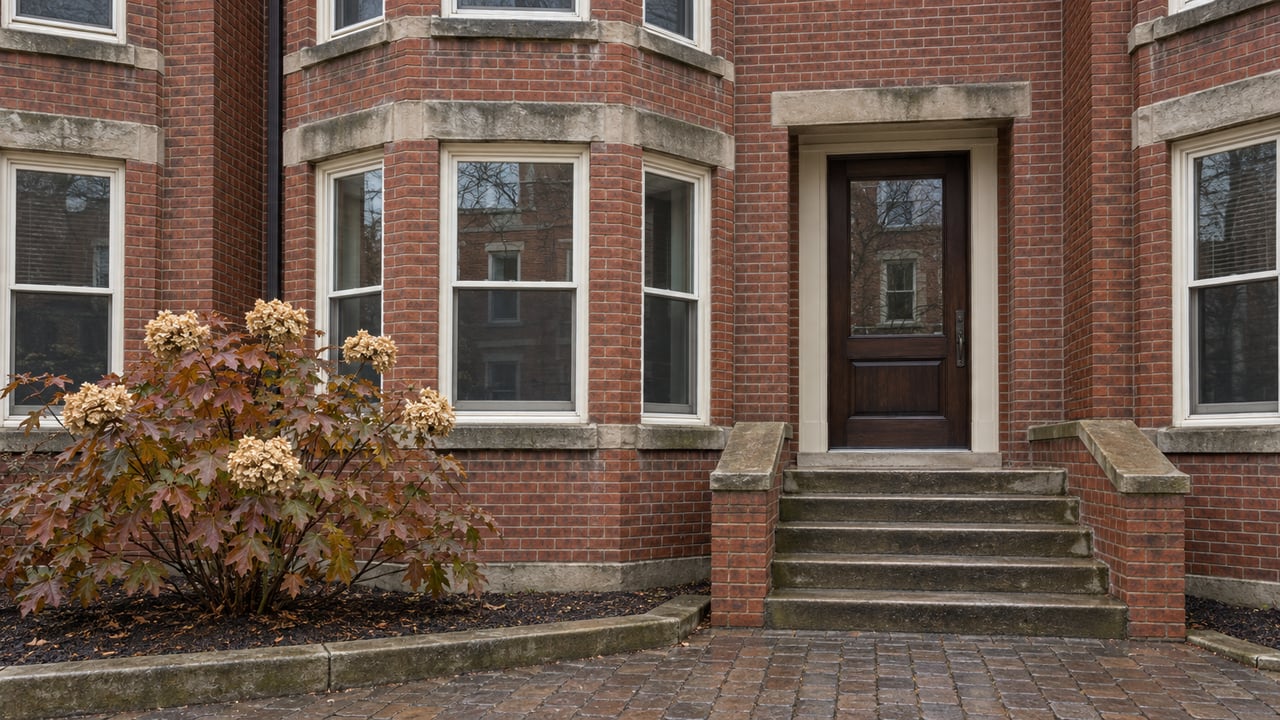
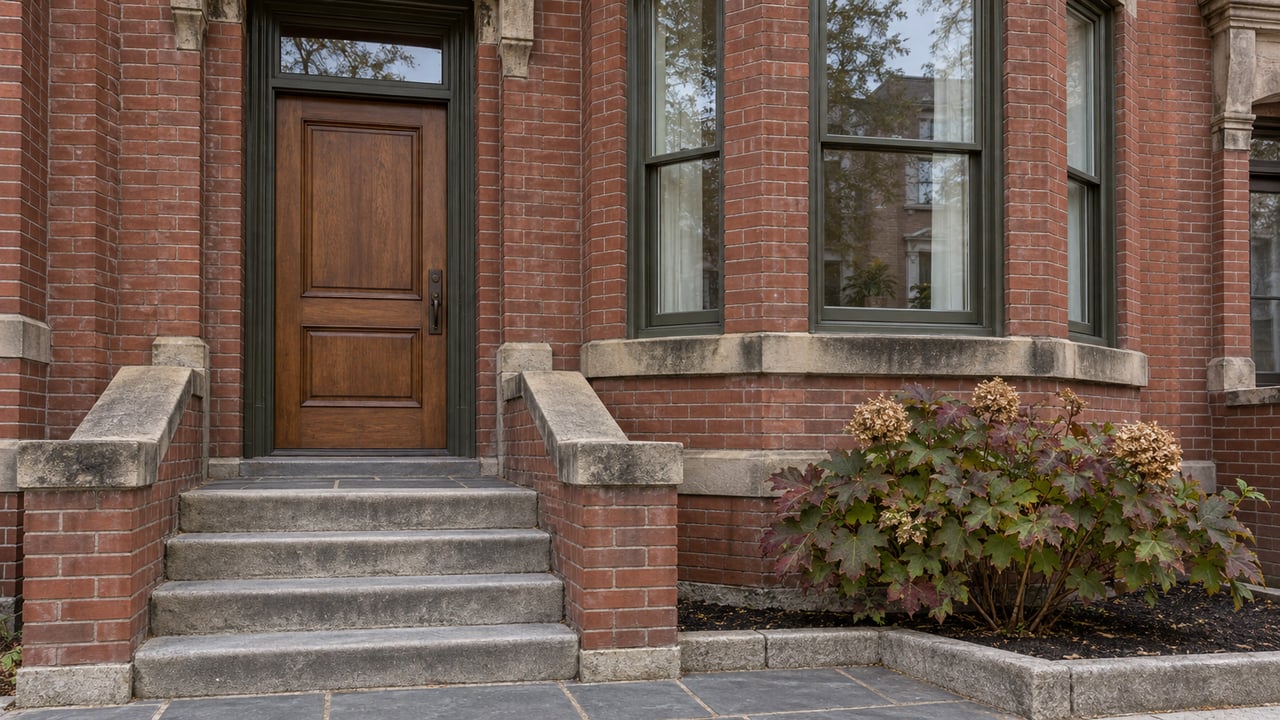
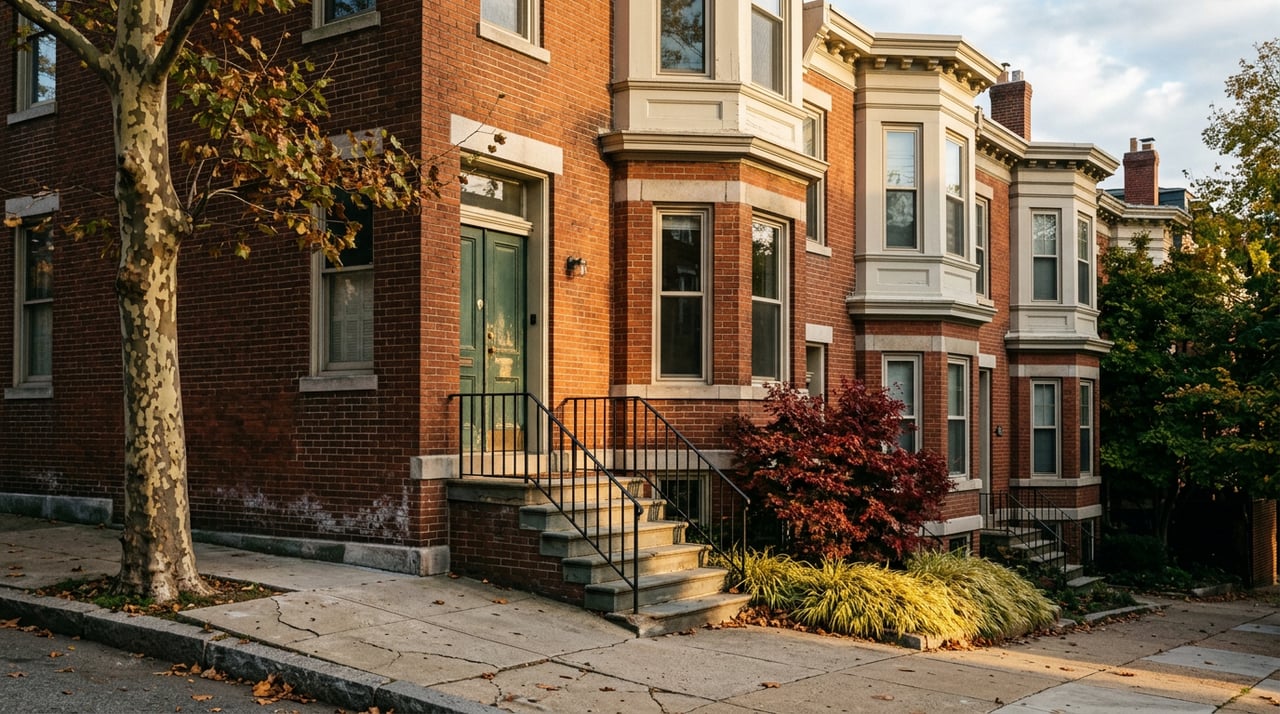
The historic district is often described as one of the most intact Victorian circle neighborhoods in D.C. That matters because the experience of walking through Logan Circle feels tied to its built environment. You see rows of brick homes, stone trim, iron fences, and mature streets that create a sense of place from block to block.
For many buyers, that is a big part of the appeal. Luxury here is not only about finishes and amenities. It is also about living in a neighborhood that feels established, visually cohesive, and rooted in D.C. history.
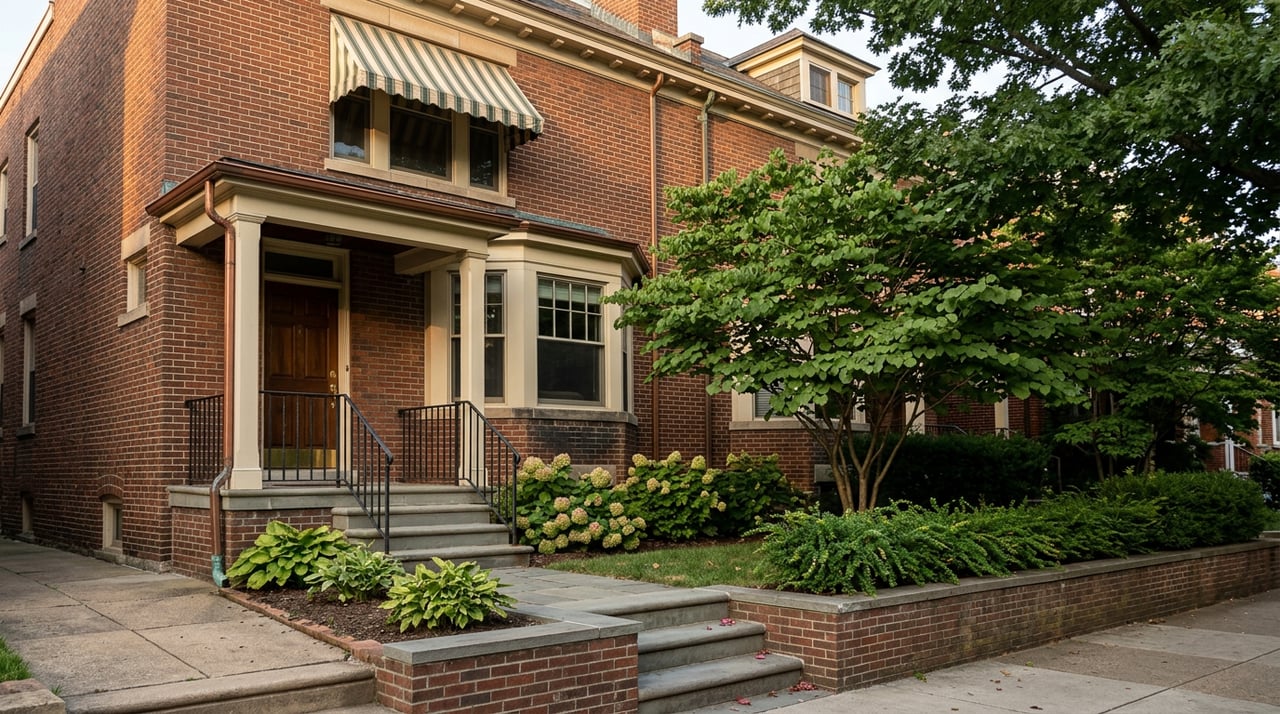
Much of Logan Circle’s core housing stock comes from the late 19th century. Historic records describe the area as being made up largely of rowhouses, usually 3 to 3.5 stories tall, built mainly of brick with stone detailing. Many sit behind small yards and iron fences, which adds to the neighborhood’s classic streetscape.
Architecturally, High Victorian styles, especially Second Empire, and Richardson-inspired Romanesque designs are common in the district. Some properties were later converted into flats and rooming houses, which helps explain why today’s housing mix can feel varied even within a compact footprint.
That variety is one reason Logan Circle continues to attract buyers with different goals. You may find a historic rowhouse with preserved exterior character, a condo in a smaller boutique building, or a converted residence that offers a more compact urban footprint.
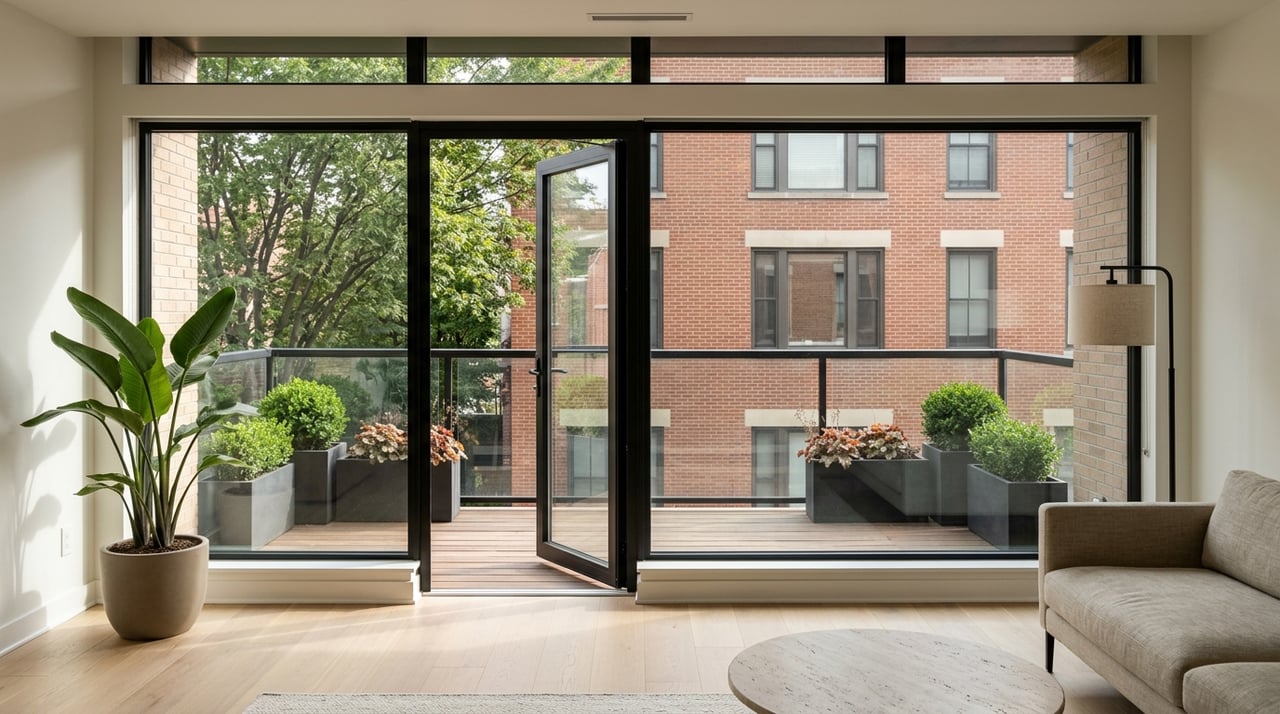
While Logan Circle is deeply tied to its historic fabric, newer residential projects have added fresh options for buyers who want a more contemporary living experience. The neighborhood’s newer buildings tend to stay urban in scale rather than overwhelm the existing streetscape. That helps preserve the area’s feel while still delivering updated design and amenities.
Examples from recent and existing projects show the pattern clearly. Q14, a 28-unit condominium, was designed to fit its historic context while incorporating masonry, glass, underground parking, landscaped courtyards, terraces, a community room, and retail. Elysium Logan Circle includes 32 luxury condos with one-, two-, and three-bedroom layouts, along with private terraces, a private elevator, a green roof, concierge, parking, and storage.
Other properties add to the picture. Holm is marketed as a collection of 38 luxury condominiums with secure access and a roof deck that includes seating, a small kitchen, and grills. Crescent Tower reflects another model, with a 10-story building converted to condos and offering studios, one-bedroom, and two-bedroom units plus a roof deck, pool, and fitness room.
Together, these examples suggest that Logan Circle luxury living often means boutique condos, adaptive reuse, and neighborhood-scaled infill. If you want a polished home in a central location without losing the texture of a classic D.C. neighborhood, that balance can be especially appealing.
In many neighborhoods, walkability is a selling point. In Logan Circle, it is part of the lifestyle. The 14th Street corridor, especially between M and U streets, functions as the neighborhood’s main commercial spine and brings together dining, shopping, and nightlife in a concentrated stretch.
Washington.org describes this area as a corridor with dozens of restaurants, indie shops, national retailers, and a lively bar scene. Daytime retail includes names like Salt & Sundry, West Elm, Room & Board, and Miss Pixie’s. Dining and nightlife examples include Le Diplomate, Pearl Dive, Barcelona Wine Bar, ChurchKey, and Black Cat.
What makes this especially meaningful is how local routines fit into that setting. A local story from the Logan Circle Community Association describes the ease of running into neighbors on a short walk and mentions regular stops like Etto, Jane Jane, Garden District, and The Coffee Bar. That paints a picture many buyers are looking for: a neighborhood where coffee, errands, dinner, and casual social time can all happen within a few blocks.
For some buyers, luxury means square footage. For others, it means getting time back in your day. Logan Circle supports that second idea especially well.
You can step outside for coffee, meet friends for dinner without planning a long commute, and enjoy a neighborhood that encourages walking as part of your normal routine. That kind of convenience can change how you experience the city, especially if you value flexibility and a more connected day-to-day lifestyle.
It can also be a strong fit if you are relocating to D.C. and want a neighborhood that helps you get oriented quickly. When key destinations are close together and the streetscape feels active and navigable, settling in can feel more manageable.
Logan Circle’s convenience is not limited to what is within walking distance. Nearby WMATA rail access includes Dupont Circle station at 1525 20th Street NW and U Street station at 990 U Street NW. Both station pages note bike racks and bikeshare availability, which reinforces the area’s transit-friendly feel.
That matters if you want flexibility in how you move through the city. You can often combine walking, rail, and biking instead of depending on a car for every trip. In a neighborhood with dense retail and strong transit access, many buyers see that as a major lifestyle advantage.
Some modern residential buildings in and around Logan Circle also include parking or secure access. Even so, the broader pattern remains the same: this is a neighborhood built around proximity, mixed mobility, and urban convenience.
Logan Circle can appeal to a range of buyers because it offers both historic identity and modern convenience. If you are a first-time buyer considering an urban condo, the neighborhood gives you access to smaller-scale buildings, converted homes, and amenity-rich options in a central setting.
If you are relocating, Logan Circle can make the transition into D.C. easier because so much of daily life is close at hand. If you are searching for a move-up property or a more refined city home, the neighborhood’s boutique luxury options and preserved architecture may offer the blend of style and substance you want.
For sellers, Logan Circle’s appeal is also tied to presentation. In a neighborhood where architecture, design, and location all matter, thoughtful staging, strong photography, and a polished listing strategy can help highlight what makes a property stand out.
If you are exploring Logan Circle, it helps to think about your priorities before you narrow your search. The right fit depends on how you want to live, not just on the address.
Here are a few useful questions to ask yourself:
These questions can help you focus your search quickly, especially in a neighborhood where property types can vary from one block to the next.
Logan Circle is compact, but it is not one-size-fits-all. Building style, amenities, street feel, and proximity to the neighborhood’s commercial core can all shape your experience of living there.
That is why it helps to work with someone who understands how the neighborhood functions in real life, not just how it looks on a map. Whether you are buying your first condo, relocating to D.C., or preparing to list a home with a more elevated marketing plan, clear guidance can make the process feel far less overwhelming.
If you are thinking about buying or selling in Logan Circle, Tamara Miller offers warm, detail-focused support backed by deep D.C. neighborhood knowledge, education-first guidance, and polished marketing strategies tailored to your goals.
Stay up to date on the latest real estate trends.


Waterfront MD

Whether you want to buy, sell, or invest in real estate, you need a winning strategy.
1313 14TH ST NW WASHINGTON DC 20005