Preparing Your Mount Pleasant Rowhouse For Sale
June 11, 2026
June 11, 2026
If you are getting ready to sell your Mount Pleasant rowhouse, it can be hard to know what actually matters. In a historic neighborhood, the right prep is not always about doing more. It is about doing the right work, protecting the details buyers notice, and presenting your home in a way that feels polished and cared for. Let’s dive in.
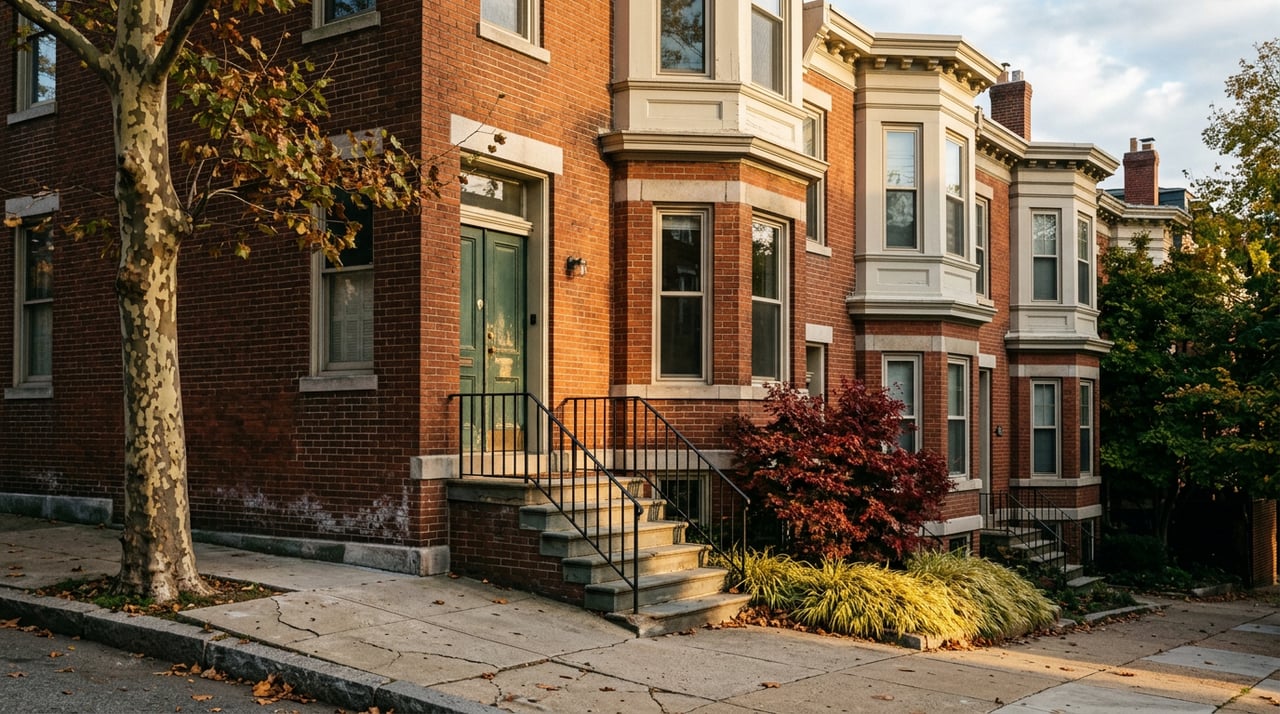
Mount Pleasant is a designated historic district, and its rowhouses are a big part of what gives the neighborhood its identity. According to DC planning materials, the district’s defining features include front porches, light-colored brick, broad proportions, rhythmic rooflines and windows, and homes that step with the area’s hilly terrain.
That matters when you sell because buyers are not just evaluating square footage or finishes. They are also reacting to the architecture, street presence, and how well the home’s original character has been maintained. In a neighborhood where those details stand out, presentation can shape first impressions quickly.
The market also rewards strong execution. Redfin reported that over the three months ending April 2026, Mount Pleasant had a median sale price of $1,092,094, median days on market of 32, a sale-to-list ratio of 98.4%, and 34.9% of homes sold above list price. That is a strong signal that buyers are active, but condition and pricing still matter.
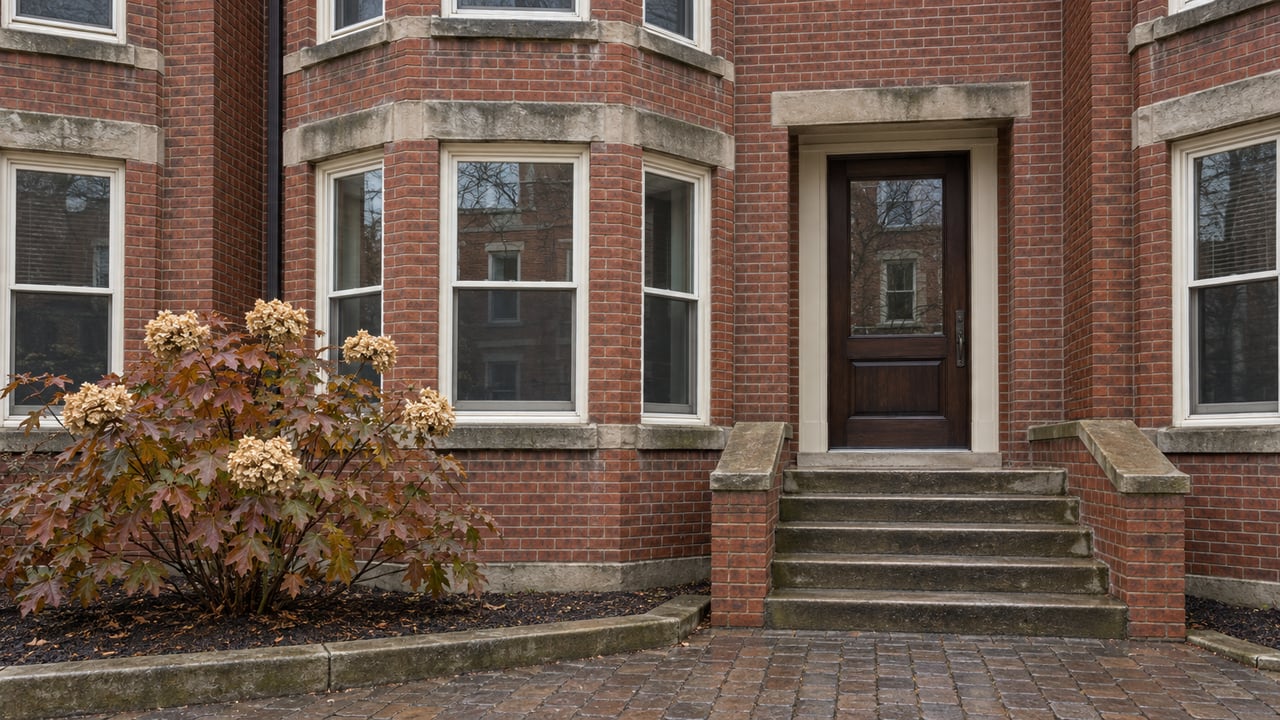
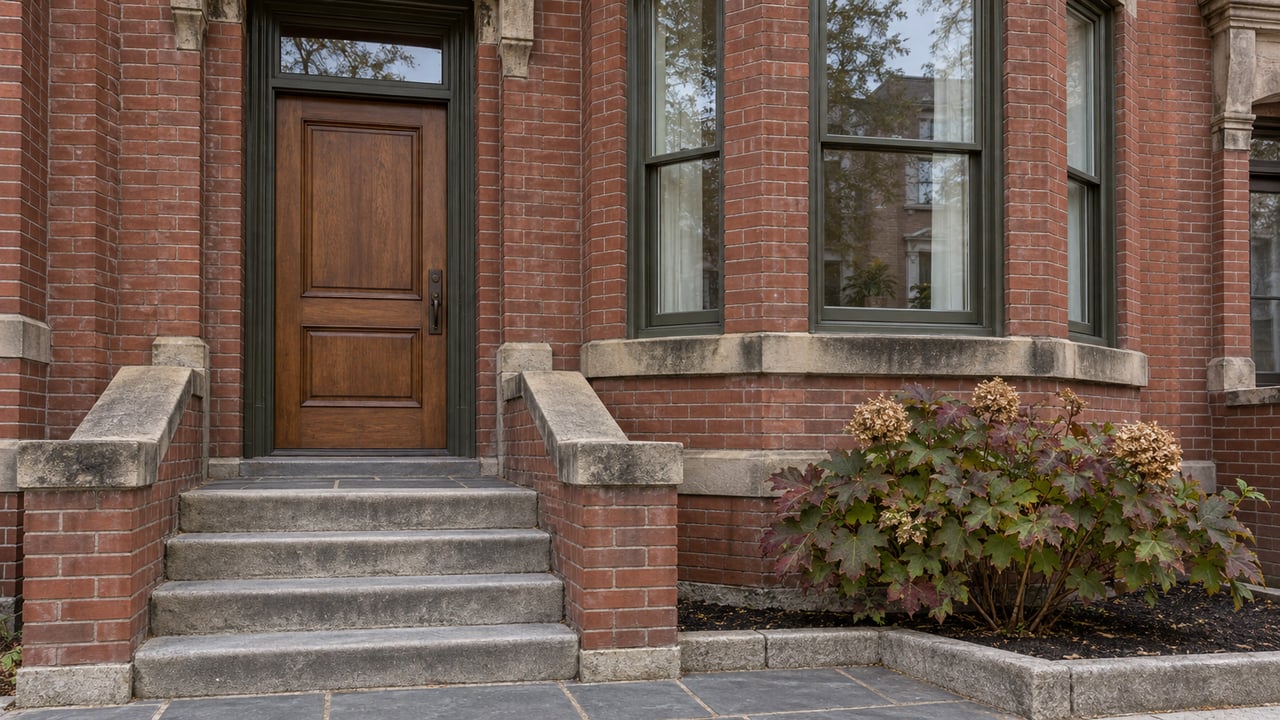
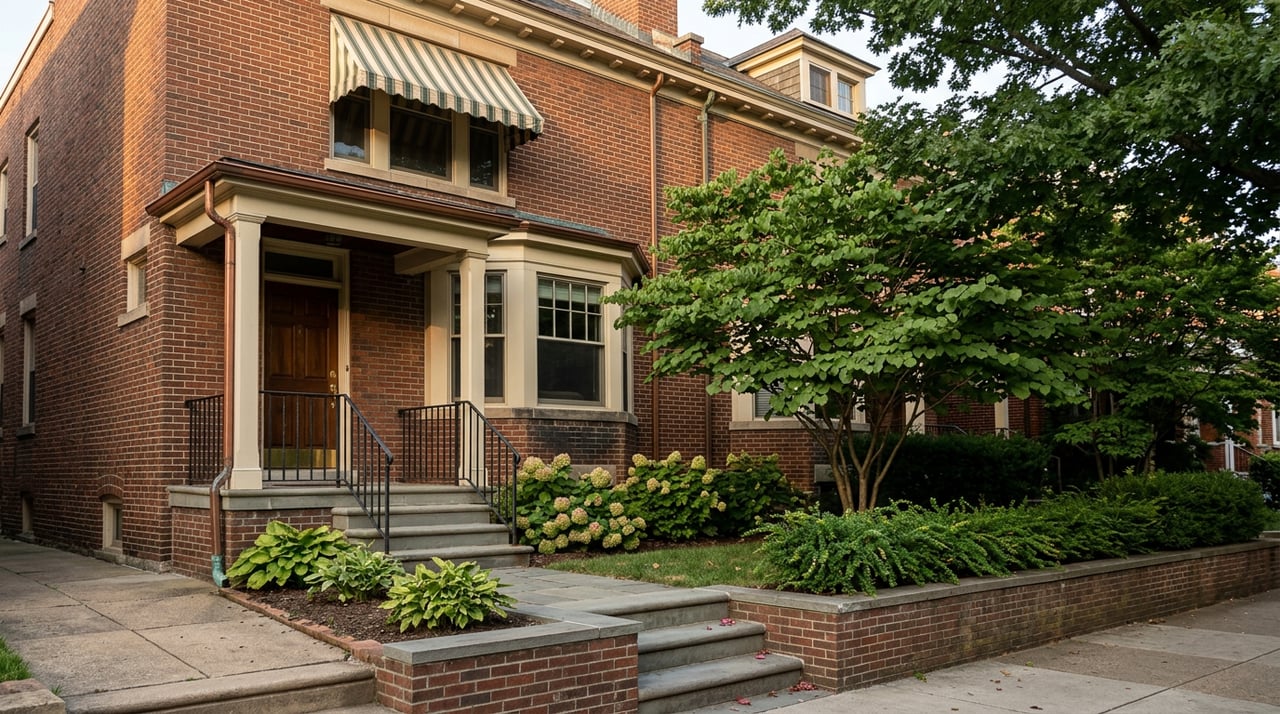
For many Mount Pleasant rowhouses, the front of the home does a lot of the selling work. Buyers often form an opinion before they step inside, especially in a neighborhood where porches, masonry, windows, stairs, and rooflines are such visible parts of the home’s character.
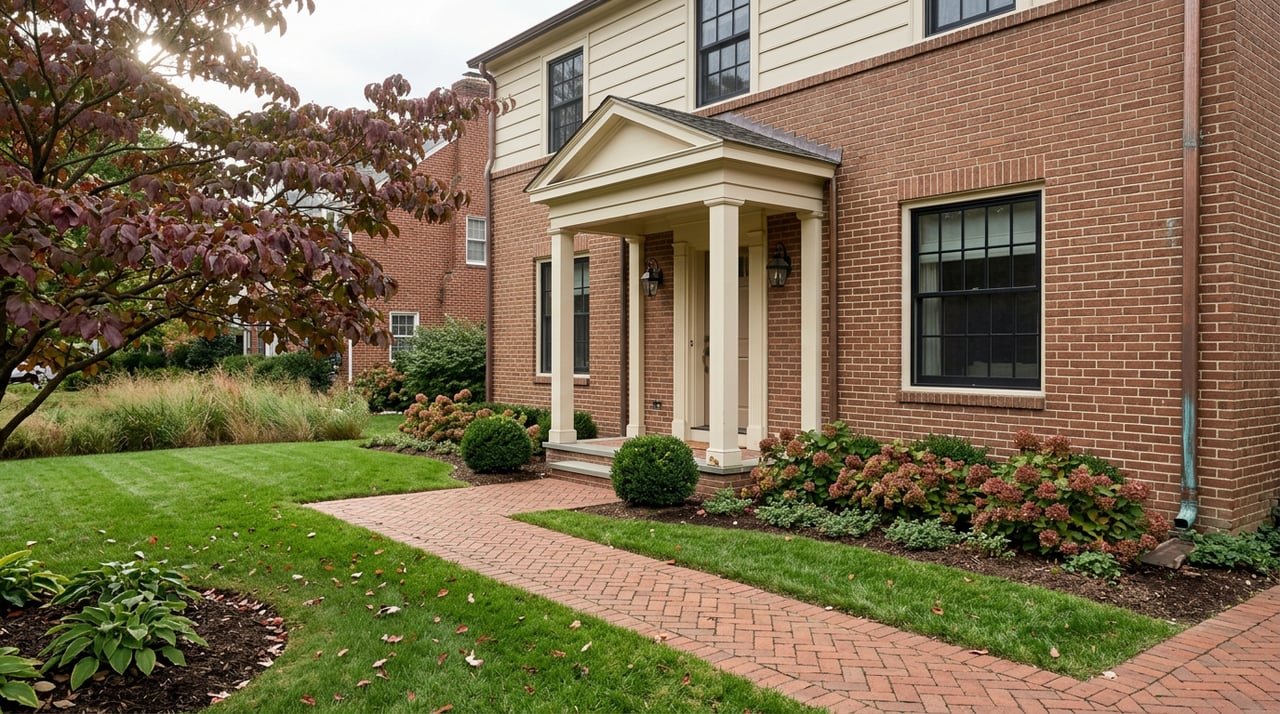
A smart first step is to walk across the street and look at your home as a buyer would. You want the exterior to feel clean, maintained, and consistent. Small issues can stand out more than you think in listing photos and during showings.
Focus on visible maintenance items like these:
In many cases, repairing what you have is better than replacing it. DC preservation guidance treats the removal or replacement of original windows, doors, masonry, porches, stairs, and distinctive details on primary elevations as a higher-priority issue. For sellers, that usually means keeping original materials when feasible, especially on the front facade.
One of the biggest mistakes sellers can make is starting exterior work without understanding the rules. In DC historic districts, exterior and site changes go through the normal building permit process with preservation review added in. The Office of Planning also recommends a preliminary design-review consultation before applying.
The good news is that not every project is complicated. DC guidance says interior alterations and non-structural interior demolition are generally not subject to historic preservation review. Routine work like painting, caulking, storm windows, storm doors, window screens, gutters, downspouts, and minor repairs is usually exempt.
Other projects may require staff review, especially if they affect the front or a visible side elevation. That can include:
If you are unsure, it is worth checking before work begins. In a pre-listing plan, that can save time, avoid stress, and help you focus your budget on updates that move the sale forward.
In a historic rowhouse, buyers often respond better to thoughtful maintenance than trend-driven changes. The goal is to make the house feel well cared for, not over-renovated for the sake of it.
That lines up with both preservation guidance and staging research. NAR’s 2025 staging report found that sellers’ agents most often recommend decluttering, cleaning the entire home, and improving curb appeal. For a Mount Pleasant home, that usually means handling deferred maintenance and making the architecture read clearly.
Good pre-listing targets often include:
This type of work may not feel dramatic, but it often pays off in the way buyers experience the home. A clean, bright, move-in-ready rowhouse can feel more valuable than one with expensive but mismatched updates.
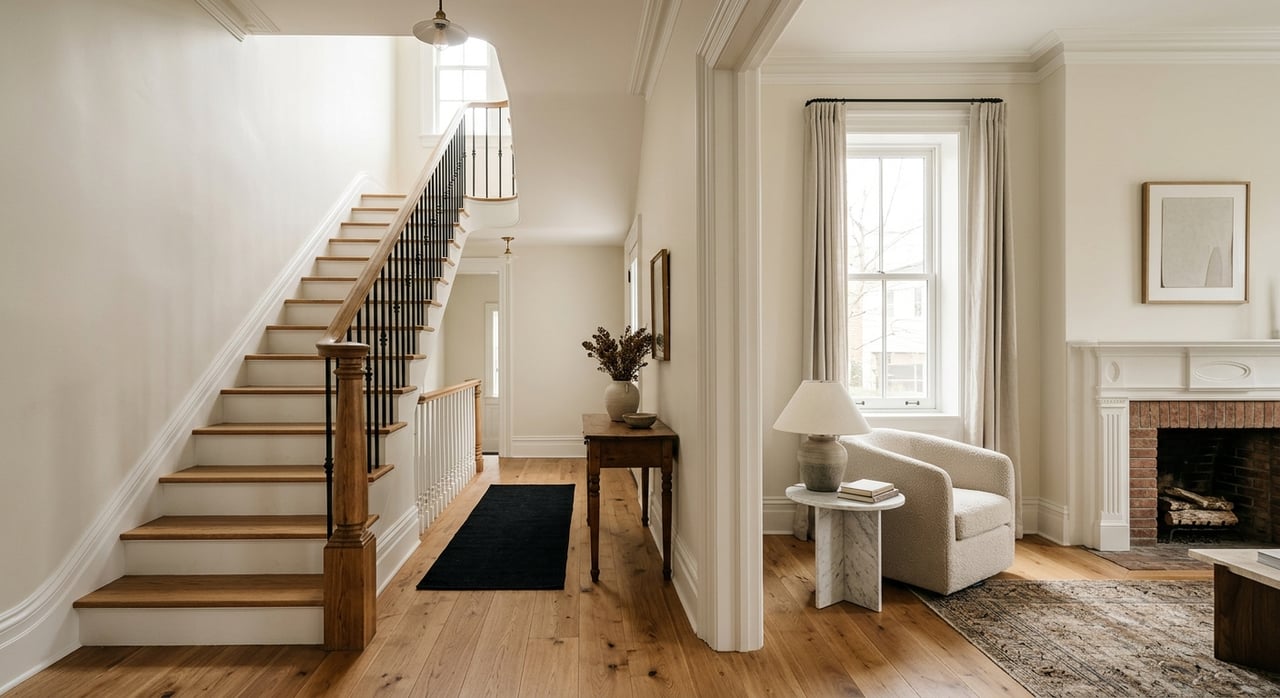
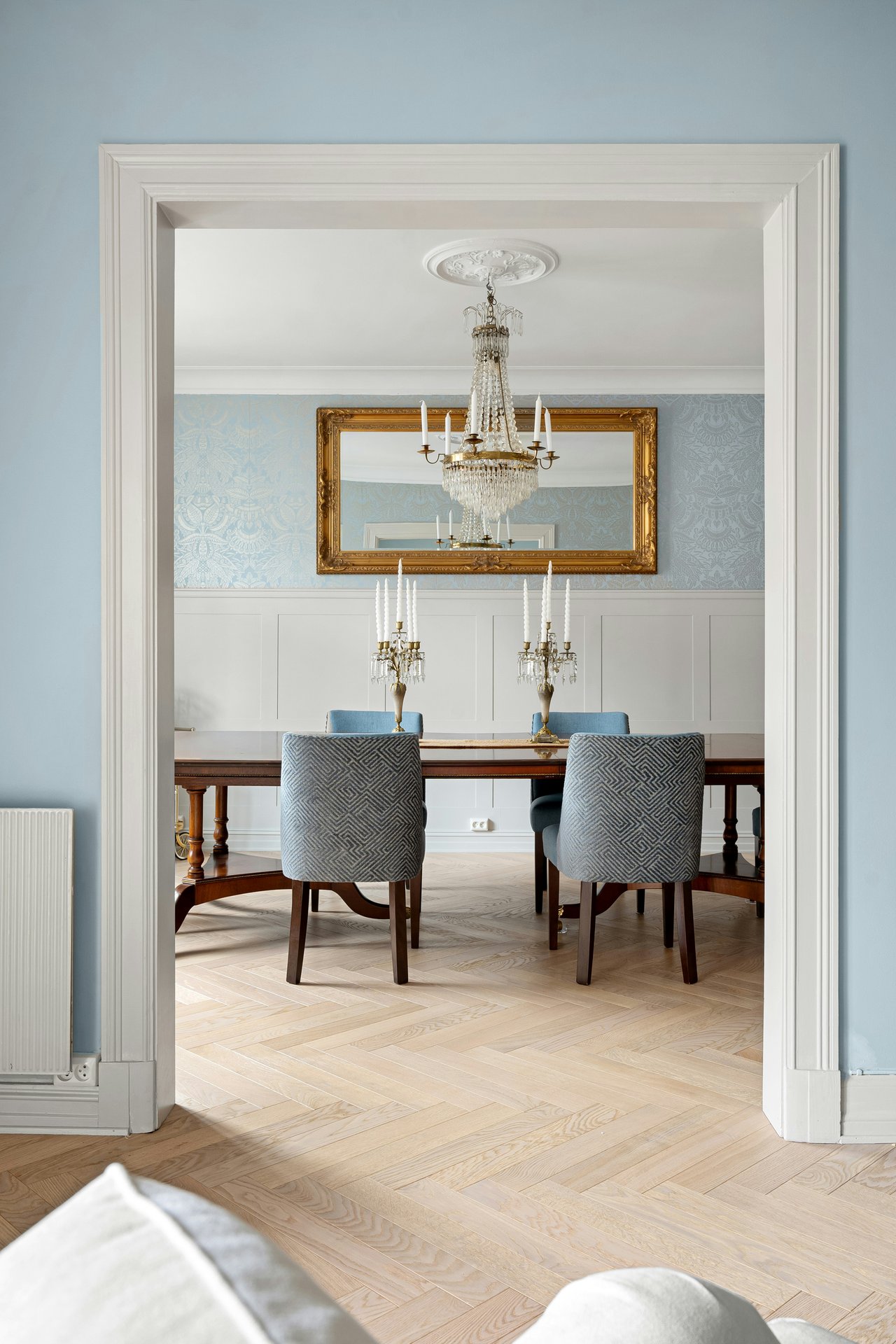
Mount Pleasant rowhouses often have beautiful original features, but they can also feel segmented or darker than newer construction if they are not styled carefully. Before listing, focus on making the home feel open, light, and easy to understand.
Start with decluttering. Remove extra furniture, clear surfaces, and simplify storage areas so each room feels functional and spacious. Buyers should be able to notice moldings, stair details, windows, brickwork, and room proportions without distraction.
Then look at furniture scale and light. Large pieces can make rooms feel smaller, while heavy window treatments can block natural light. In many rowhouses, a lighter, simpler setup helps the home photograph better and show better in person.
If you are deciding where to invest, staging research gives you a useful roadmap. NAR’s 2025 Profile of Home Staging found that 83% of buyers’ agents said staging made it easier for buyers to visualize the property as a future home. It also found that 49% of sellers’ agents said staging reduced time on market.
The rooms buyers care about most were the living room, primary bedroom, and kitchen. If you are staging selectively, those are often the best places to start. They shape how buyers imagine daily life in the home.
For a Mount Pleasant rowhouse, staging works best when it supports the architecture instead of competing with it. A measured approach usually includes:
It also helps to keep expectations realistic. NAR reported that many buyers expect homes to look like staged TV properties, yet many are disappointed when homes feel overproduced or less polished in person. A home that looks refined, bright, and believable often creates the strongest response.
Your listing photos and launch timing matter almost as much as the physical prep itself. NAR reported that buyers’ agents rated photos, traditional staging, videos, and virtual tours as highly important. That means your home’s first public impression often happens online.
Before the listing goes live, make sure the home is photo-ready. That includes finishing touch-ups, cleaning windows, replacing burnt-out bulbs, and removing anything that adds visual clutter. In a neighborhood where buyers respond to architectural character, strong photography should capture both the charm and the livability of the home.
This is also where a more structured marketing plan can help. Compass offers a three-phase strategy that can begin as a Private Exclusive, move to Coming Soon, and then launch on the MLS once the home is ready. Compass notes that this approach can help create early interest and buy time for staging or painting, though it also notes that off-MLS marketing can reduce exposure and potentially lower the number of showings or offers.
Not every seller wants to pay for prep work out of pocket before listing. If that is part of your concern, it helps to know your options early.
Compass Concierge is designed to front the cost of selected home-improvement services with zero due until closing. Compass says the program can be used for services such as staging, flooring, painting, and more. For a Mount Pleasant rowhouse, that can be especially useful when the best improvements are visible, buyer-facing updates that help the home show well from day one.
A strategic plan might focus on:
The key is to match the scope of work to the house, the market, and the likely return. In a neighborhood where historic character plays such a large role, thoughtful preparation usually outperforms unnecessary reinvention.
When you prepare a Mount Pleasant rowhouse for sale, the strongest approach is usually simple. Protect the original character, fix what buyers will notice, brighten the spaces, and launch only when the home is truly ready.
That kind of preparation helps buyers connect with the house right away. It also reduces the risk of spending money in the wrong places or creating delays with exterior changes that may need review.
If you want a thoughtful plan for your rowhouse, from pre-sale improvements and staging to a polished market launch, Tamara Miller can help you map out the work that makes sense for your home and your goals.
Stay up to date on the latest real estate trends.


Waterfront MD

Whether you want to buy, sell, or invest in real estate, you need a winning strategy.
1313 14TH ST NW WASHINGTON DC 20005