Logan Circle Condo Buying Tips for Smarter DC Purchases
May 14, 2026
May 14, 2026
Buying in Logan Circle can feel exciting and a little tricky at the same time. You might love the historic architecture, the mix of housing options, and the energy of the neighborhood, but you also want to avoid surprises after you go under contract. If you are considering a condo, boutique building, or converted historic property here, knowing what to review before you buy can help you move forward with more confidence. Let’s dive in.
Logan Circle sits in Ward 2, an area the DC Office of Planning describes as an economic and cultural hub that includes downtown and several historic, high-activity areas. The neighborhood has changed significantly over time, with renovated houses and newer multifamily and commercial development, especially along the 14th Street corridor. That matters because your home search here may include very different property types within just a few blocks.
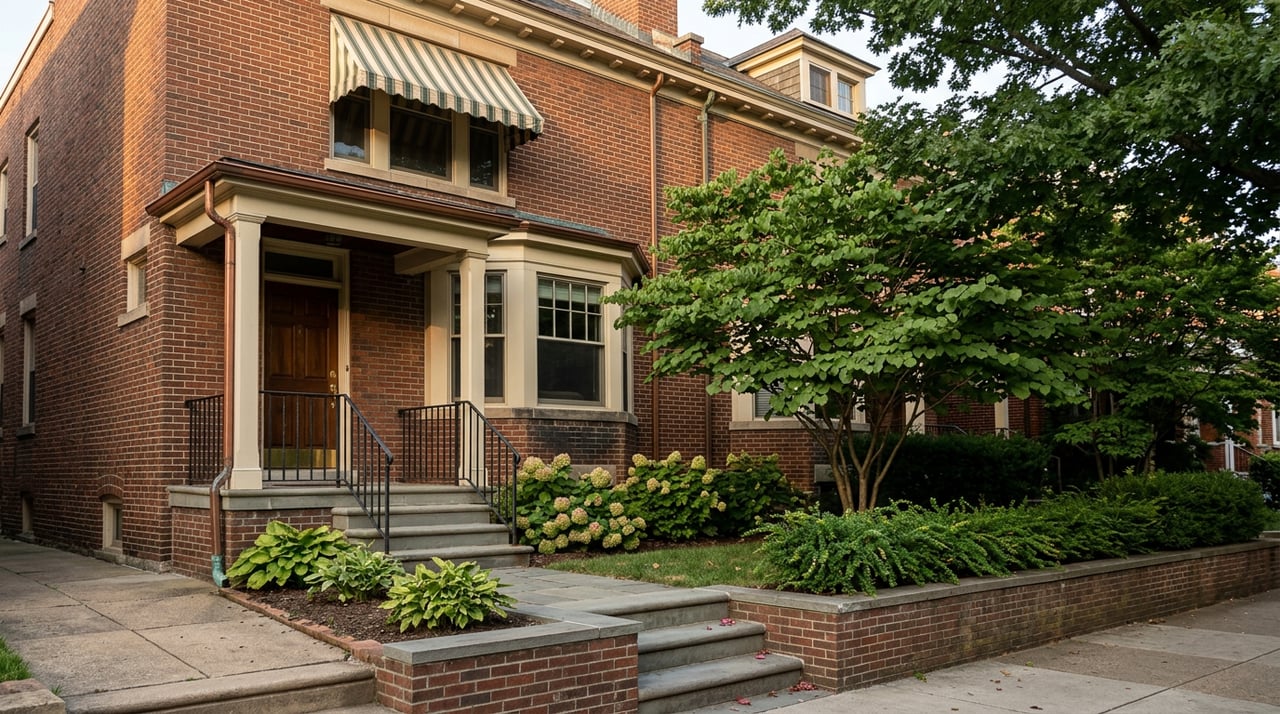
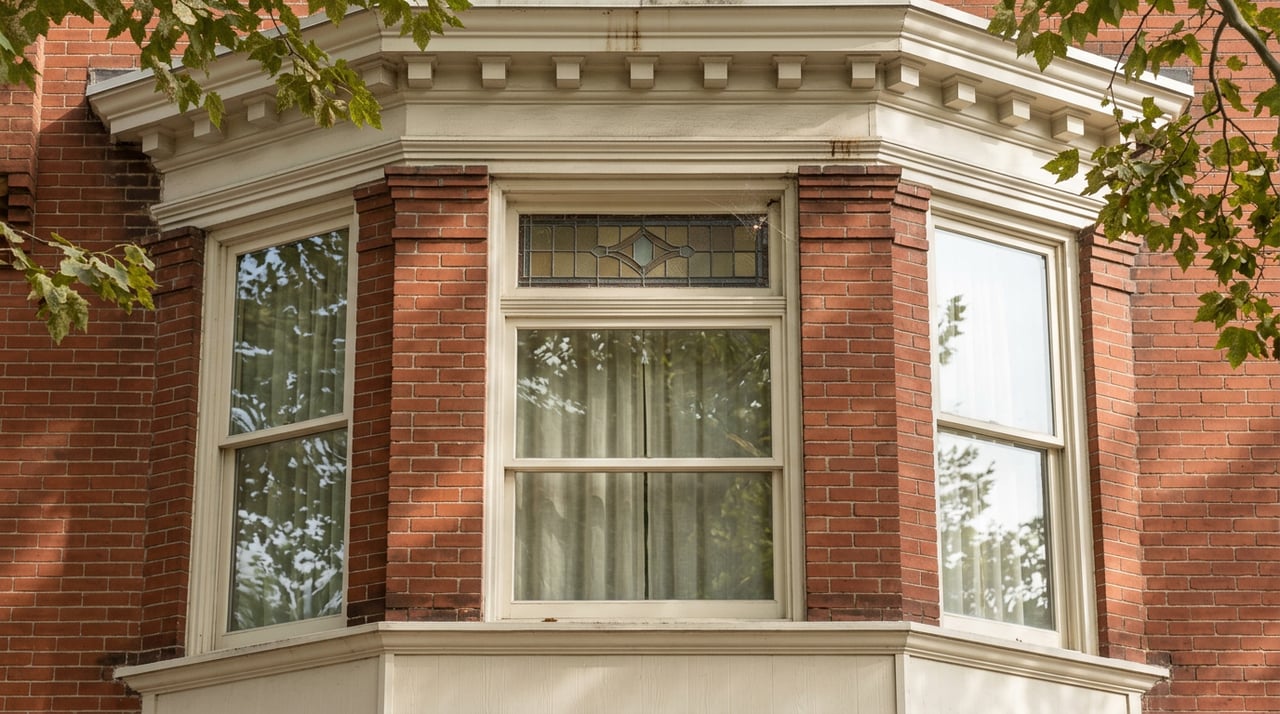
The Logan Circle Historic District was designated in 1972, and its period of significance is 1875 to 1900. Historic-district documentation describes the area’s core housing stock as closely grouped three- and four-story brick-and-stone buildings, many dating to the late 19th century. It also notes that many original townhouses were later converted into apartments or rooming houses, often with limited exterior changes.
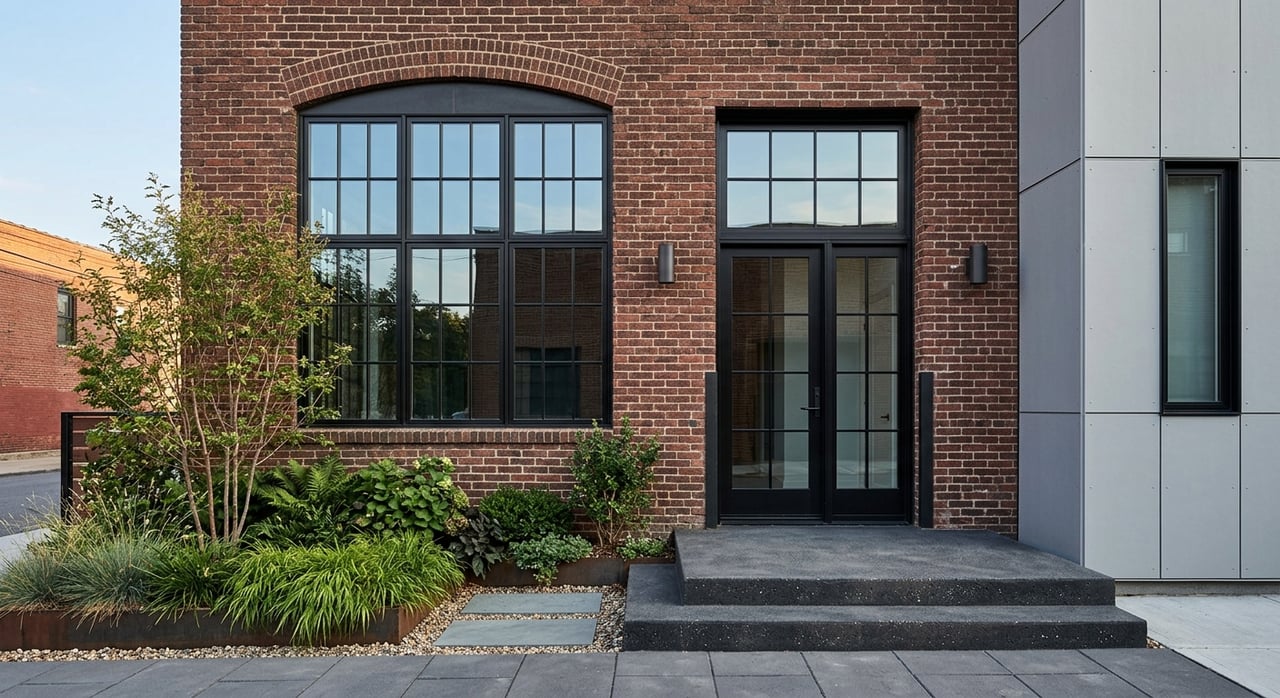
For you as a buyer, that history helps explain why Logan Circle does not always behave like a uniform condo market. You may see classic townhome conversions, boutique condo buildings, and newer multifamily options, all with different documents, fee structures, and ownership rules. That is one reason due diligence matters so much here.
If you are buying a resale condo in DC, the seller must obtain and deliver condominium instruments and a resale certificate from the association by the 10th business day after the contract is executed. Those materials are not just paperwork. They are one of your best windows into how the building is run.
Under DC law, that certificate must include important details such as planned capital expenditures not reflected in the budget, reserve status, the most recent financial statement, the current operating budget, pending suits or judgments, insurance coverage, confirmation that prior alterations do not violate condo instruments, and the remaining term of any leasehold estate. In plain language, these documents can reveal whether the building is stable, underfunded, facing legal issues, or planning costly projects.
Timing matters too. If the documents are delivered late, you may have the right to cancel. After you receive them, you generally have a 3-business-day right to cancel, which makes it important to review them quickly and carefully.
When you get the resale package, focus on the items most likely to affect your monthly costs, financing, and future resale.
Look at the current operating budget and the reserve balance. Reserves are funds set aside for future repairs and replacements, and they can tell you a lot about whether the association is planning ahead. If reserves are thin and major work is coming, owners may face higher dues or special assessments.
Fannie Mae’s project guidance also puts a spotlight on reserves. Its full-review standards say lenders should confirm the HOA budget is adequate and includes replacement reserves equal to at least 10% of budgeted assessment income, unless there is an acceptable reserve study instead. That means reserve planning is not just a building issue. It can also affect financing.
The resale certificate should disclose planned capital expenditures not already reflected in the budget. That could include projects like roof work, facade repairs, or other building improvements. If a major project is expected soon, ask how it will be funded and whether owners should expect additional charges.
Review the building’s insurance coverage and ask questions if anything seems incomplete. Fannie Mae identifies inadequate insurance as a project-level risk, and that can create problems during the lending process. The DC resale package also requires disclosure of pending suits or judgments, which can affect both your comfort level and your lender’s review.
Read for restrictions that could affect how you use or resell the unit later. The resale certificate can disclose leasehold terms, and project standards may also raise issues such as right of first refusal provisions. These details may not be deal-breakers, but they should never be a surprise.
Logan Circle buyers may encounter newly converted properties or newer boutique buildings, and these deserve a slightly different review. In those cases, the public offering statement becomes especially important.
DC law requires that statement to disclose the first-year budget and common expense assessments, reserve information, any initial or special fees, rental restrictions, management contracts, recreational-area leases, construction status, zoning and permit compliance, projected completion dates of major amenities, warranties, and whether the project is expected to satisfy secondary-market mortgage requirements.
That is a long list, but it serves a simple purpose. It helps you understand what is finished, what is promised, what it will cost, and whether the project is likely to work smoothly with standard financing. In a boutique building, even one missing detail can matter.
One of the easiest mistakes buyers make is focusing too heavily on the mortgage payment and not enough on condo dues. Condo or HOA fees are usually paid separately from the mortgage, and these charges can range from a few hundred dollars to more than $1,000 per month.
In Logan Circle, where condos and multifamily properties are common, that means your true monthly cost is the mortgage plus condo fees, not the mortgage alone. A unit with a lower sale price can still feel expensive month to month if dues are high. Before you make an offer, run the full monthly number so your budget reflects reality.
Because Logan Circle is a historic district, buyers should think beyond the unit itself and consider what changes may be possible later. DC’s Historic Preservation Office says historic properties are protected under the District’s preservation law. Most building and site construction in DC requires a permit, and for historic properties, HPO clearance of the building permit application serves as the preservation approval.
That means exterior work affecting a historic property’s appearance often triggers review. This can include additions, alterations, repairs, decks, window replacement, awnings, fences, and garages. If you are buying in a converted historic building or a property where exterior changes may matter to you, this is a key part of due diligence.
The Historic Preservation Review Board and HPO use written design standards and guidelines for work affecting historic properties, including windows, roofs, roof decks, additions, and related exterior changes. So even if your building allows a change under its own rules, DC historic review may still apply. It is smart to understand both layers before you buy.
If you want a practical way to evaluate a property, start with a focused set of questions. These can help you spot issues early and compare buildings more confidently.
In practical terms, Logan Circle resale is often strongest when a building has clear documentation, stable finances, and ownership rules that do not create unnecessary friction. DC’s resale disclosure rules direct buyers toward reserves, special assessments, lawsuits, insurance, and leasehold terms. Fannie Mae’s project standards also highlight reserves, insurance, and restrictions that may affect financing.
That does not guarantee future value, of course, but it does give you a useful lens. Buildings with readable documents, reasonable fees, and financing-friendly project characteristics are often easier for future buyers to understand and pursue. In a neighborhood with a wide mix of historic and newer housing, that clarity can matter.
Logan Circle offers a lot to love, but it also asks buyers to pay attention to details that may not come up everywhere. A charming conversion, a boutique condo, and a newer building can all look appealing on the surface while carrying very different rules, budgets, and review processes behind the scenes. That is why an education-first approach can make such a difference.
When you understand the documents, the fees, the building finances, and the historic-district implications before you commit, you put yourself in a much stronger position. If you are thinking about buying in Logan Circle and want a clear, low-pressure strategy, Tamara Miller can help you evaluate your options and move forward with confidence.
Stay up to date on the latest real estate trends.




Whether you want to buy, sell, or invest in real estate, you need a winning strategy.

1313 14TH ST NW WASHINGTON DC 20005