Trading Your DC Condo For A Petworth Rowhouse
June 25, 2026
June 25, 2026
Thinking about trading your DC condo for a Petworth rowhouse? You are not alone. Many condo owners reach a point where they want more space, more privacy, or a little outdoor room, but they also know that moving from a building to a house changes both the budget and the day-to-day responsibilities. This guide will help you think through pricing, monthly costs, timing, and basement rental rules so you can make a smart move with fewer surprises. Let’s dive in.
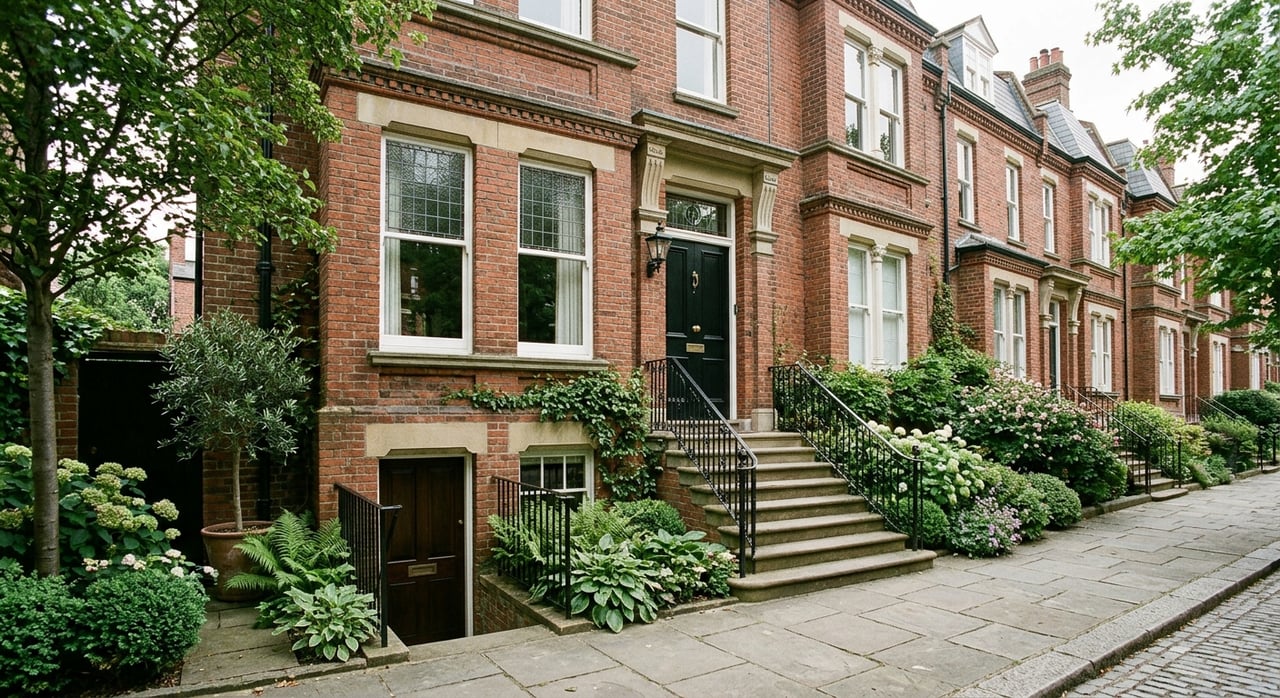
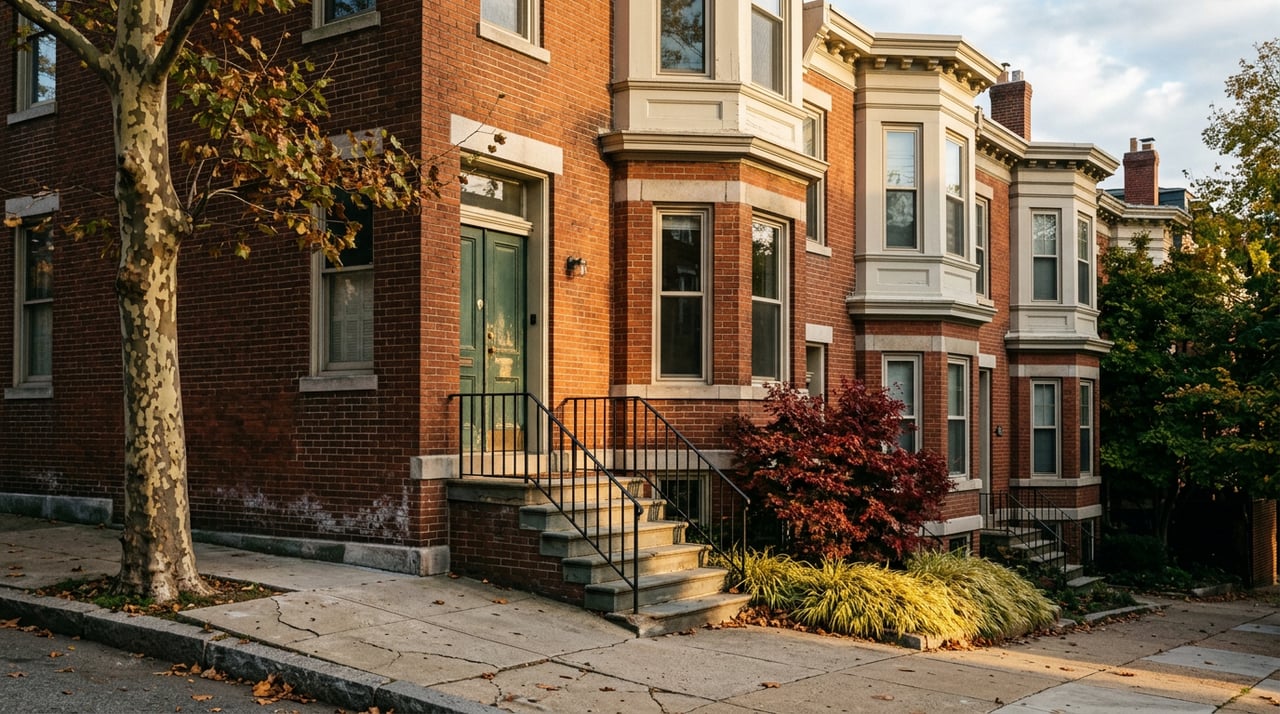
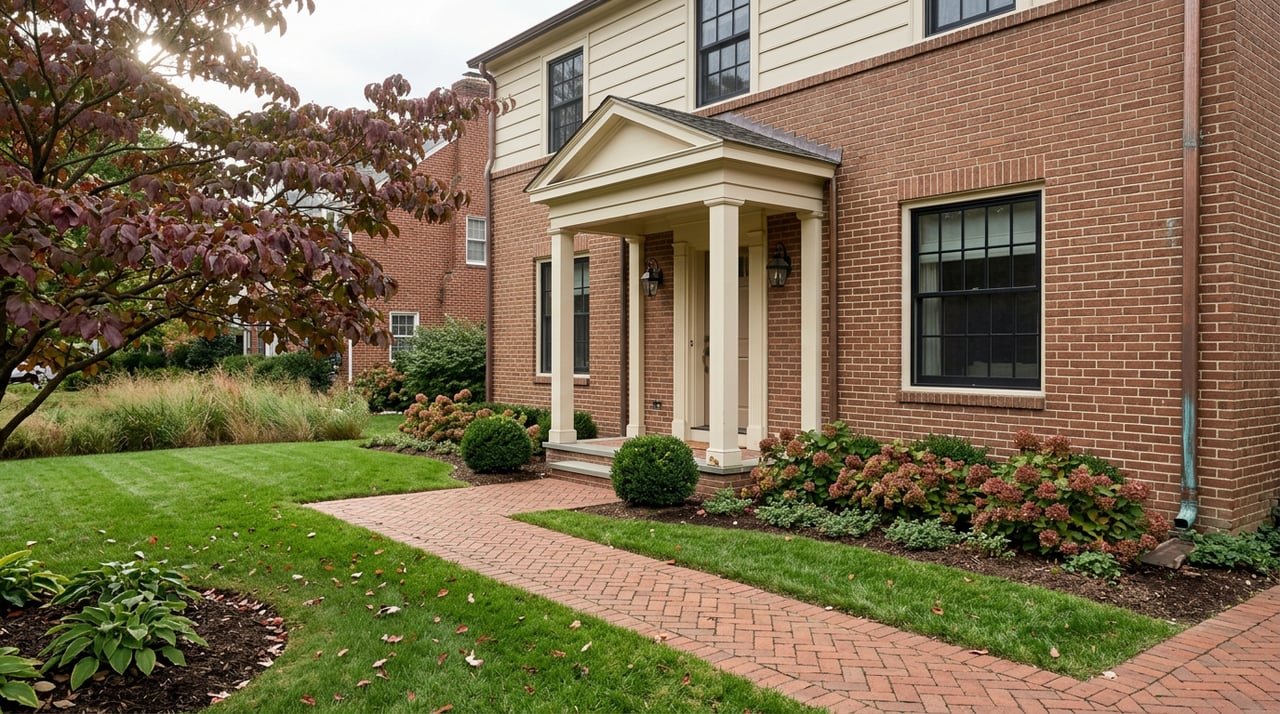
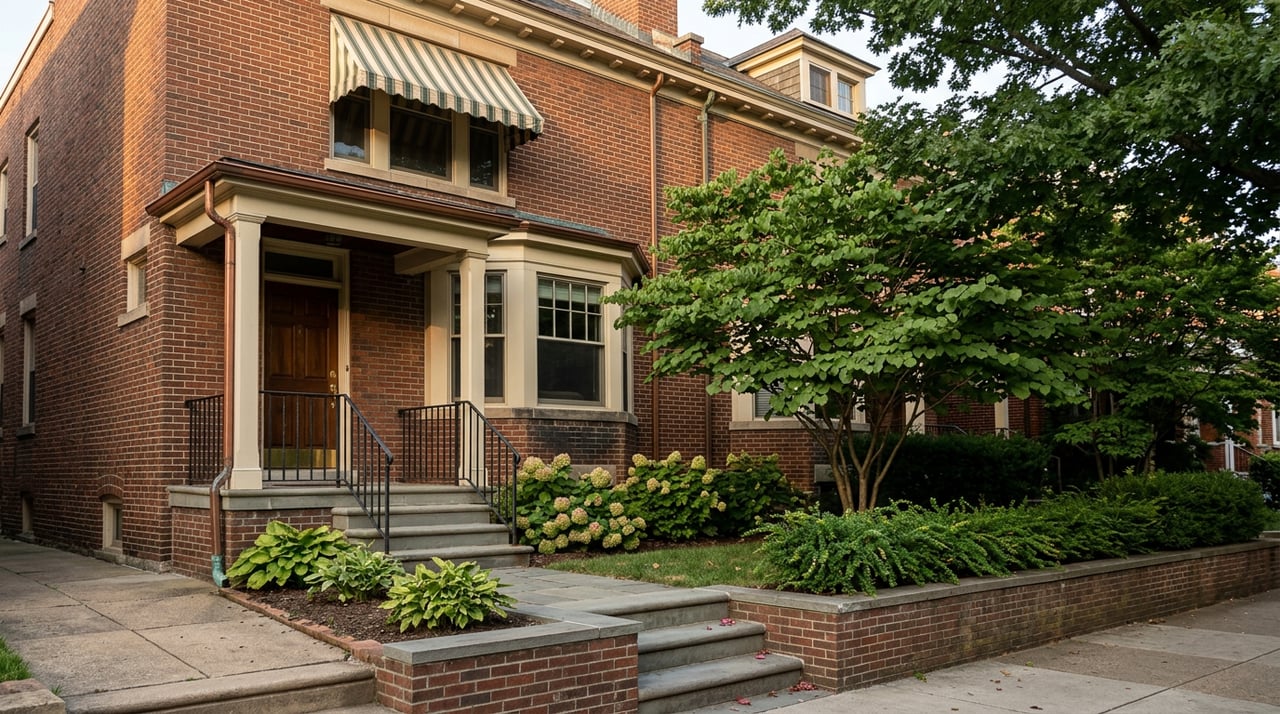
Petworth is known for classic DC rowhouses, not a condo-heavy housing mix. The DC Office of Planning describes the neighborhood as notable for its architectural variety, broad boulevards, and circles, and historic records show that much of its residential development centered on attached brick rowhouses built from about 1900 to 1930.
For a condo owner, that often means the chance to gain more interior space, a yard, a porch, or a basement level. It can also mean a different ownership experience, because older housing stock usually brings more direct responsibility for repairs and upkeep than a condo building does.
Transit is another draw. The Georgia Ave-Petworth Metro station serves Petworth, Upshur Street, and Park View on the Green and Yellow lines, which helps keep the neighborhood connected to the rest of the city.
At the same time, parking can be less predictable. DDOT has flagged on-street parking pressure in the corridor as development adds more trips and housing units, so if parking is a high priority for you, it is worth weighing that carefully as you shop.
One of the most important things to know is that Petworth pricing is better understood as a range than a single number. Recent market snapshots from major listing platforms differ, which is normal in a neighborhood where block, condition, and property type can shift value quickly.
As of May 2026, one source reported an average home value of $645,143 and a median list price of $716,000. Another reported a median listing price of $742,000 and a median sold price of $743,500. A third reported a median sale price of $799,731 over the last three months.
The practical takeaway is that many buyers looking at Petworth rowhouses should be prepared for pricing in the mid-$700,000s into the $800,000s, while also recognizing that not every home will fit neatly into that band. Renovation level, parking, basement setup, and exact location can all affect the number.
Petworth does not appear to be a one-speed market. Recent data suggests homes can go pending or sell in roughly 23 to 39 days depending on the source, which points to steady demand without suggesting that every listing becomes an instant bidding war.
That matters if you are moving up from a condo. On the best-presented rowhouses, you may need to move quickly and write a clean, well-prepared offer. On other homes, there may still be room to negotiate based on price, condition, or time on market.
Recent offer examples support that balanced approach. One home reportedly received three competing offers and still closed 8% under list after nine days, while other sales closed at list to 5% under list after 25 to 68 days.
In plain English, you should be ready for competition, but you should not assume every home requires an aggressive over-ask bid. A property-specific strategy matters more here than a one-size-fits-all playbook.
The biggest budgeting mistake condo owners make is focusing only on the mortgage. When you move from a condo to a rowhouse, some familiar costs may go away, but several others become much more direct and visible.
The Consumer Financial Protection Bureau says your total monthly home payment can include:
It also recommends budgeting for maintenance, repairs, utilities, and emergency savings. That advice is especially important in Petworth, where many rowhouses are older homes with systems and materials that may need periodic attention.
If you are leaving a condo, you may no longer pay monthly condo dues. Depending on your current building, that may also mean you are no longer paying for shared services or reserves that helped cover exterior maintenance, building insurance for common areas, water, trash, or other common expenses.
That can make the monthly payment on paper look simpler. But simpler does not always mean lower.
With a rowhouse, you may take on more direct responsibility for:
This is why a move-up budget should include more than principal, interest, taxes, and insurance. You are not just buying more space. You are also taking on more of the property’s ongoing care.
In DC, most owner-occupied rowhouses are taxed as Class 1A residential property at $0.85 per $100 of assessed value. If the home becomes your principal residence and it has no more than five dwelling units, you may qualify for the Homestead Deduction.
For tax year 2026, the Homestead Deduction reduces assessed value by $91,950, which the Office of Tax and Revenue says saves $781.58 per year. That is helpful, but it should be viewed as one piece of the budget, not the full story.
You should also plan for closing costs on both the sale and purchase sides. The CFPB notes that buying and selling involve fees, taxes, and commissions, and that closing costs often run about 2% to 5% of the home price.
In DC, residential deed recordation and transfer tax rates are 1.45% at $400,000 or more. Since many Petworth rowhouses trade above that threshold, these costs should be part of your move-up math from the beginning.
For many move-up buyers, timing is the hardest part of the transition. The CFPB says that if you want to move, you normally try to sell your home before buying another one because both transactions are expensive and involve multiple costs.
That guidance is especially relevant in Petworth. If homes are moving in roughly three to six weeks, you do not want to start planning only after you find the perfect rowhouse.
A strong move-up plan usually starts with three things:
If your condo needs cosmetic work, staging, or photography before going live, that prep work can affect your timeline too. A thoughtful listing plan can help you understand what you can realistically afford before you start making offers in Petworth.
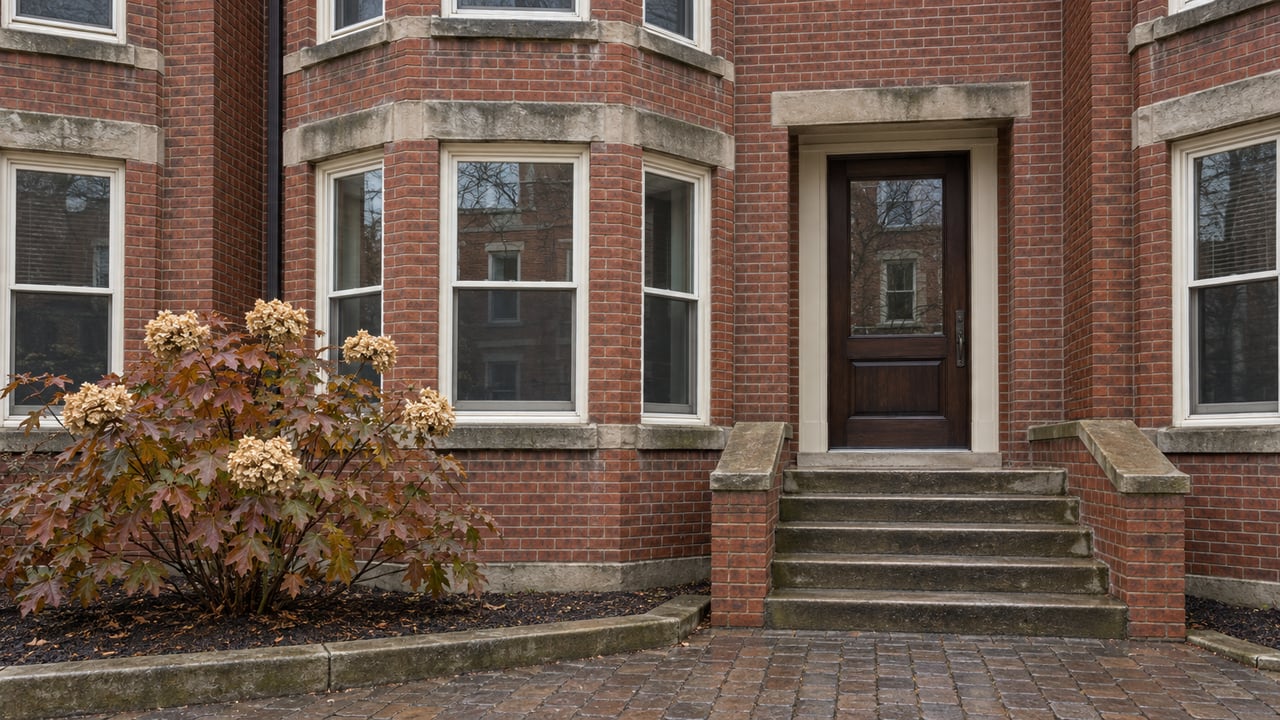
One reason buyers are drawn to Petworth rowhouses is the flexibility that can come with an English basement. It may offer extra living space, room for guests, a home office, or potential future rental use. But it is important to separate possibility from assumption.
According to DC’s Department of Buildings, accessory apartments are allowed as a matter of right in residential house zones, with one accessory apartment per lot, owner occupancy required, and a maximum of three occupants. Accessory apartments can be in the principal building and may have a separate entrance.
Permits, inspections, or other compliance steps may be required depending on the work performed. That means you should not assume an existing basement setup is fully ready for the use you have in mind without verifying the details.
Possibly, but the rules matter. DC’s Department of Licensing and Consumer Protection says accessory dwelling units, including English basements, are treated as part of a host’s primary residence if the owner qualifies for the Homestead Deduction.
If you plan to use the space for short-term rental, a license, Clean Hands certification, and liability insurance are required. If the property is subject to condo or HOA rules, the governing documents must allow the rental use or you must have written permission.
For some Petworth homes, historic review may matter too. Historic districts such as Grant Circle include early-20th-century rowhouses with raised basements and porches, and many exterior changes to historic properties go through design review.
The smart way to view an English basement is as a flexibility feature, not guaranteed income on day one. If rental potential is central to your budget, confirm the legal and physical setup before you rely on it.
Moving from a DC condo to a Petworth rowhouse is not just a lifestyle upgrade. It is also a shift in how you budget, how you compete, and how you manage a home over time.
The right strategy usually starts with understanding your condo’s likely sale price, your realistic monthly carrying costs, and the kind of rowhouse that fits both your finances and your daily life. When you plan those pieces together, you can shop with more confidence and avoid stretching for a house that looks great on paper but feels stressful after closing.
If you are considering a move from condo living to a Petworth rowhouse, Tamara Miller can help you map out both sides of the transaction with clear guidance, neighborhood insight, and a concierge-level approach from start to finish.
Stay up to date on the latest real estate trends.



Waterfront MD

Whether you want to buy, sell, or invest in real estate, you need a winning strategy.

1313 14TH ST NW WASHINGTON DC 20005