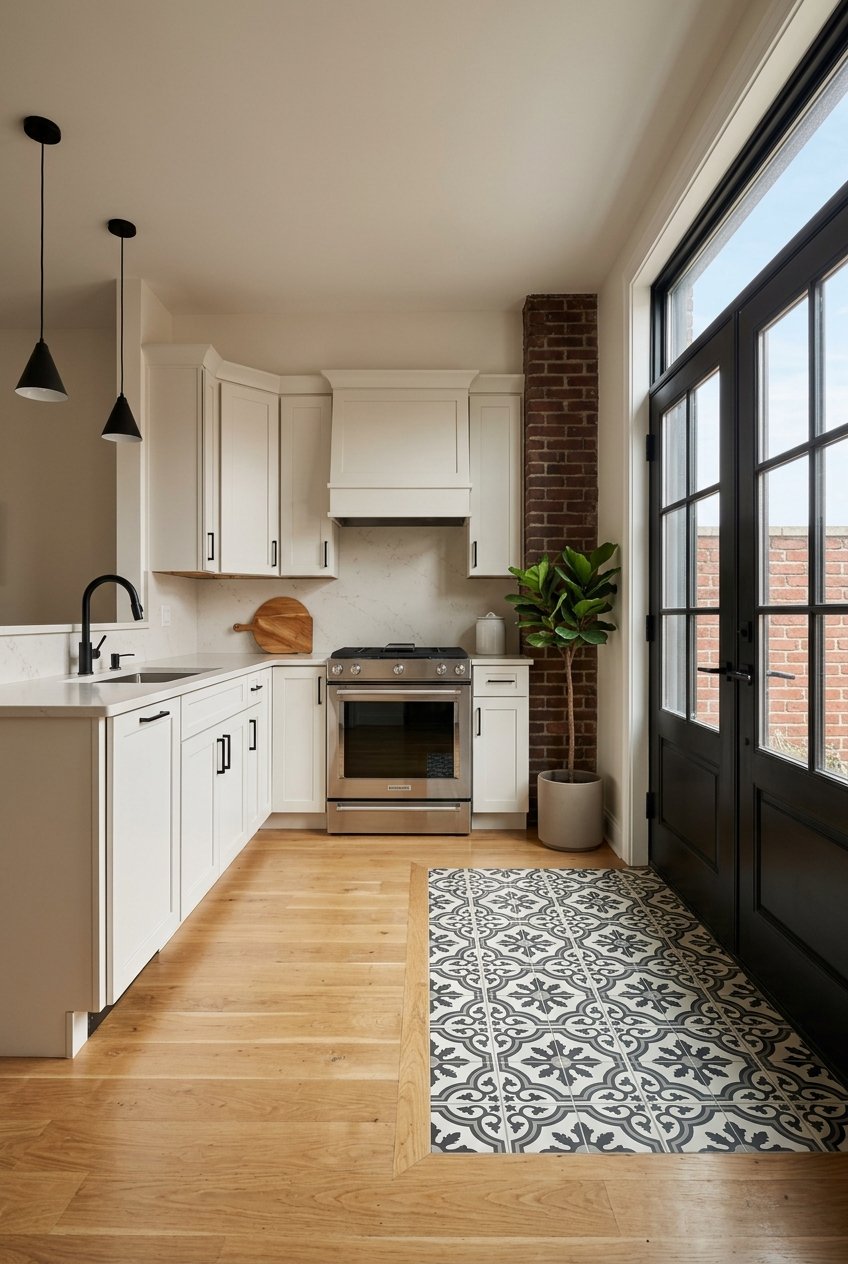
Buying A Historic Rowhouse In Mount Pleasant
May 21, 2026
May 21, 2026
Dreaming about a Mount Pleasant rowhouse? You are not alone. These homes offer standout architecture, a strong sense of history, and the kind of character that is hard to find in newer construction. If you are thinking about buying one, it helps to understand not just the charm, but also the inspections, permits, and preservation rules that can shape your plans. Let’s dive in.
Mount Pleasant Historic District was designated in 1986, and its period of significance runs from 1851 to 1949. According to DC preservation materials, the neighborhood reflects the growth of one of Washington’s first suburbs and includes rowhouses, detached homes, institutional buildings, and commercial structures.
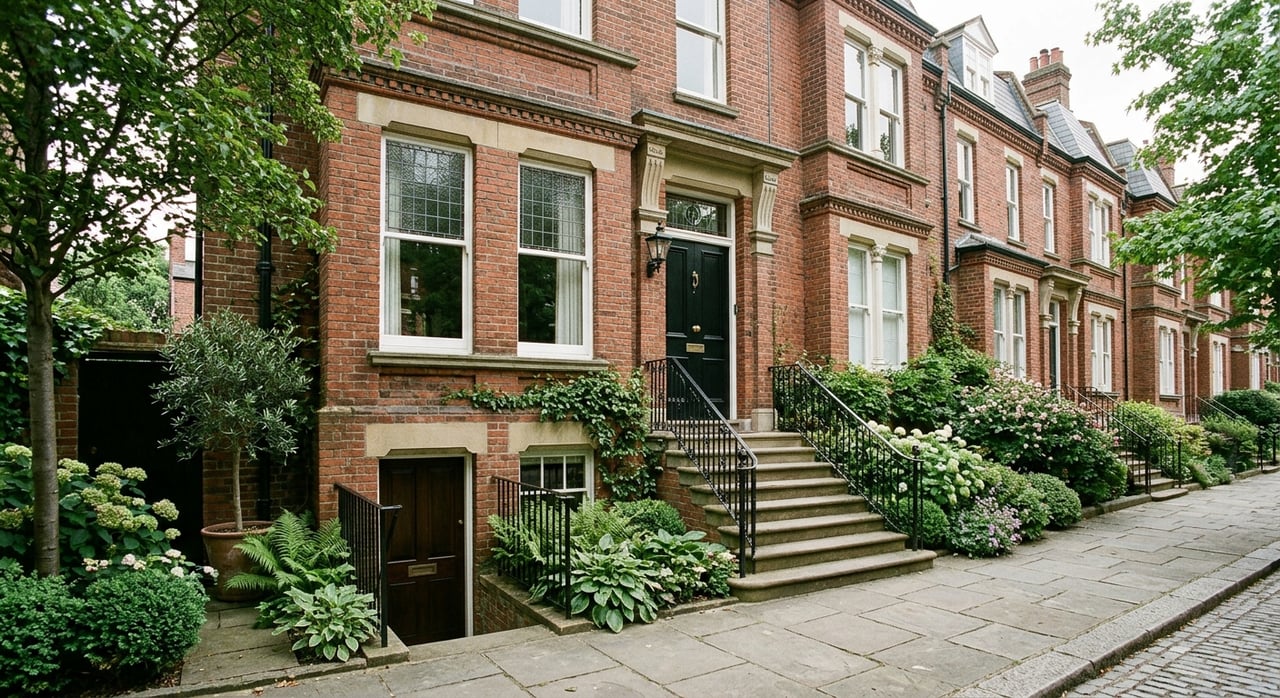
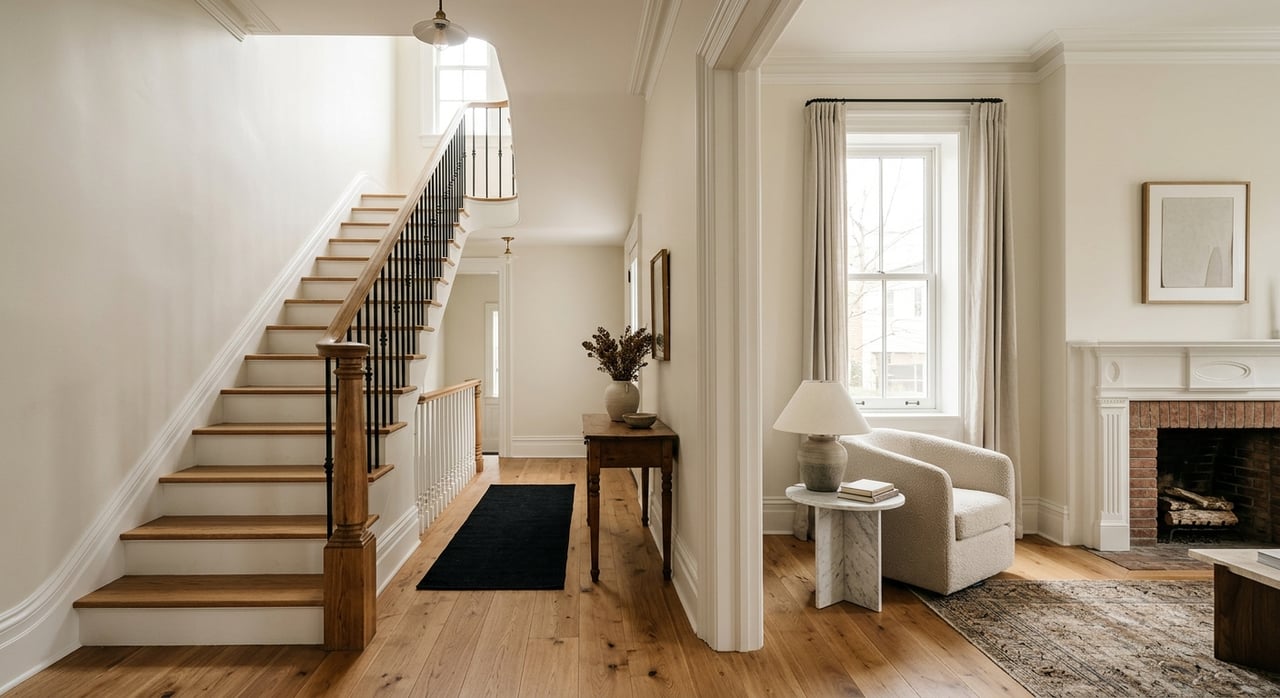
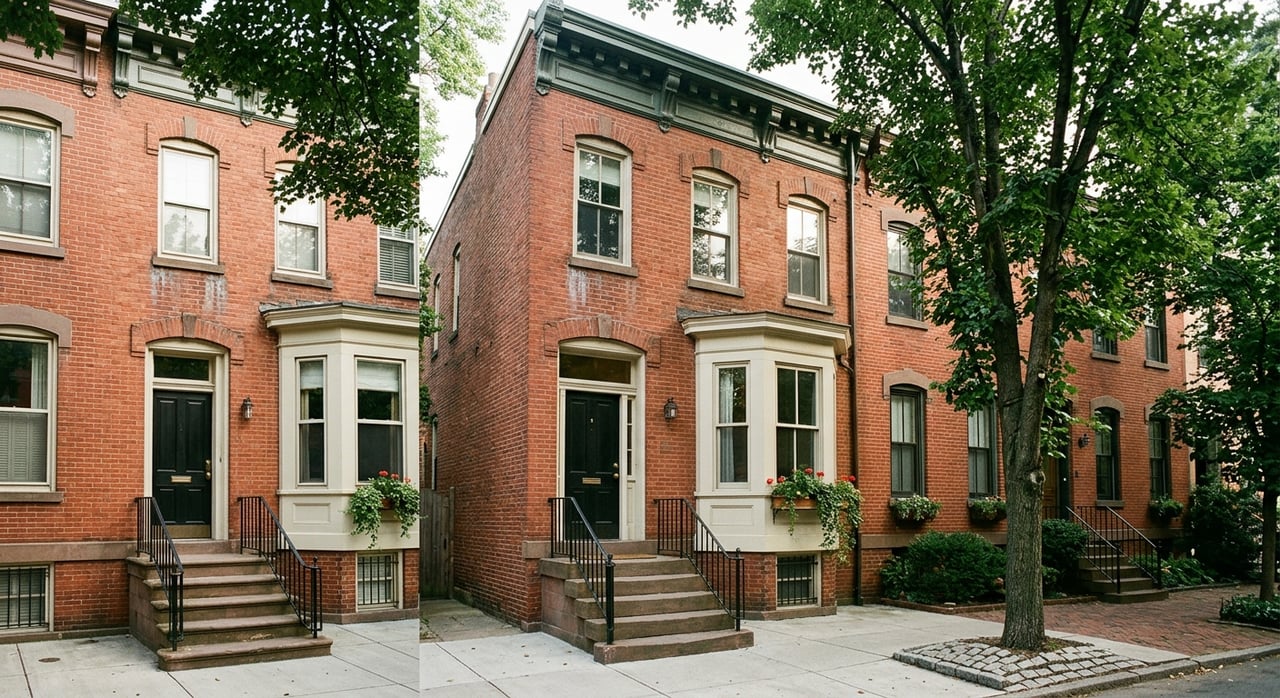
For many buyers, the rowhouses are the main draw. Preservation materials describe a cohesive streetscape with Classical Revival and related early 20th-century styles, often defined by front porches, light-colored brick, broad proportions, rhythmic rooflines, and details shaped by the neighborhood’s hilly terrain.
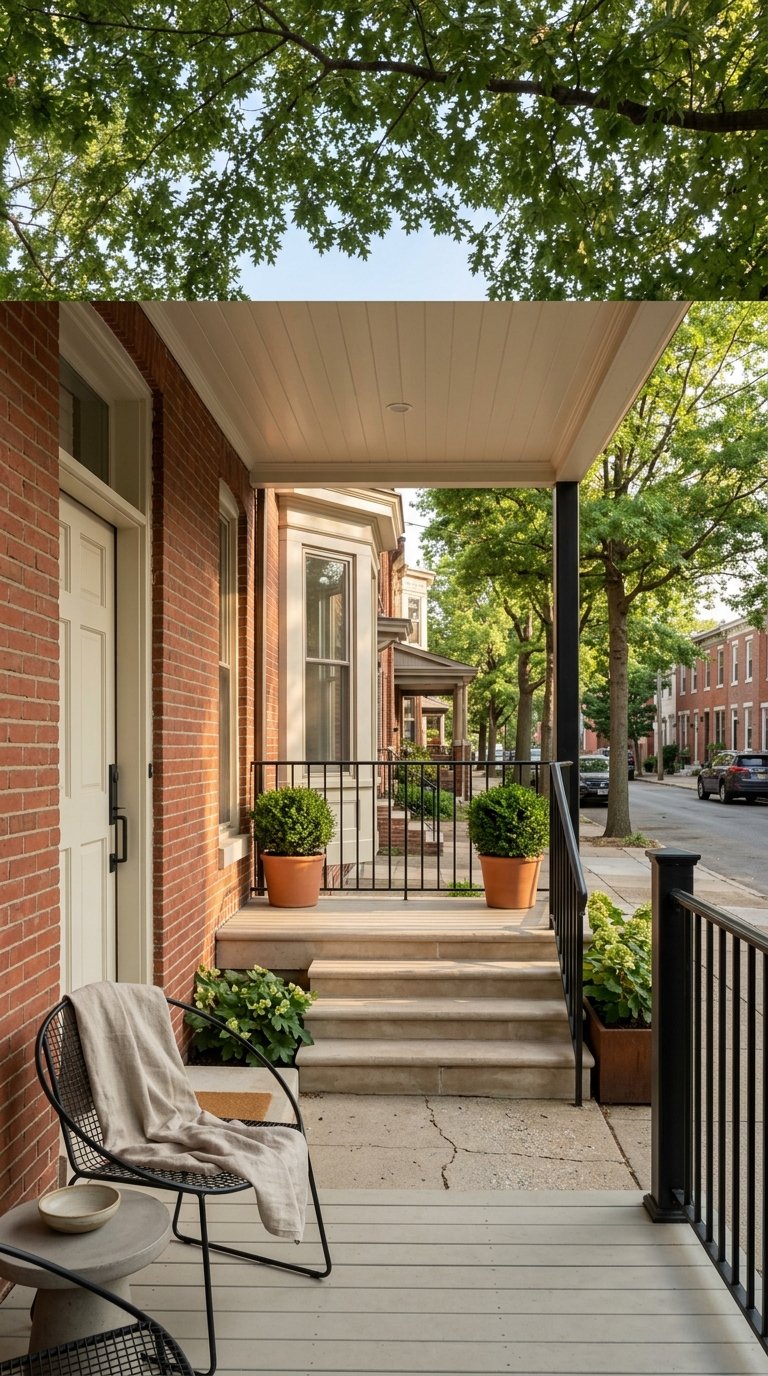
You may also notice Georgian Revival and Beaux Arts influences. Features like hexagonal bays, heavy lintels, double-hung sash windows, and uncovered entry porches help give Mount Pleasant its distinct look.
Buying a historic rowhouse is not the same as buying a newer home. In Mount Pleasant, many properties fall into older-housing categories, which means condition, systems, and past repairs deserve a closer look.
It is also important to think ahead. A house that feels like a great fit today may come with limits or extra steps if you want to update windows, add outdoor space, or change the front exterior later.
That does not mean you should avoid these homes. It means you should buy with clear eyes, good information, and a plan that matches both your lifestyle and the property’s realities.
An independent home inspection is one of the most important parts of your due diligence. Consumer guidance recommends scheduling it as soon as possible, attending if you can, and using the results to negotiate repairs or decide whether to move forward if your contract allows.
With a Mount Pleasant rowhouse, it helps to go beyond a basic checklist. Because these homes are older and often located in a historic district, you should pay special attention to roof and flashing condition, masonry repointing, windows and doors, porch elements, and any prior plumbing, electrical, or mechanical work.
You should also look carefully at how the home handles water. Mount Pleasant’s topography includes stepped siting on hilly terrain, so retaining walls, grading, basement stairs, areaways, and signs of moisture intrusion or settlement deserve extra attention.
Lead is a major issue in older housing. EPA guidance says older homes are more likely to contain lead-based paint, and it recommends either assuming a pre-1978 home contains lead-based paint or hiring a certified inspector or risk assessor.
That matters in a rowhouse purchase because renovation, repair, and painting work in pre-1978 homes can create lead dust. Sellers of pre-1978 homes must disclose known lead information and provide the required EPA pamphlet before a buyer is obligated under contract.
Water lines deserve separate attention. DC Water says lead service lines were predominantly installed before the mid-1950s, though records exist as late as 1977, and the utility estimates that more than 42,000 service lines in the District still use lead or galvanized-iron pipe.
Before you buy, you can check the DC Water service-line inventory and, if needed, have a licensed plumber inspect the pipe material where it enters the home. That is a smart step for any older DC property, especially one built during Mount Pleasant’s historic development period.
One detail buyers sometimes miss is the possibility of a preservation easement. In DC, easements run with the land and can require written consent from the easement holder before a permit can be issued.
That can affect both your timeline and your renovation options. DC preservation authorities do not review proposed work on properties with easements unless that consent is in place, so this is worth confirming early in the transaction.
If you love the idea of a historic rowhouse but know you want to make changes, your wish list should be part of your home search from day one. In Mount Pleasant, the same home can feel easy to update in one area and much more regulated in another, depending on the scope of work and how visible it is from the street.
In general, buyers can usually modernize a rowhouse, but timing and approvals depend heavily on what you want to do. Rear work that is not prominent from the street is often easier to move through the system than front-facing changes.
Some projects are generally less complicated from a preservation-review standpoint. DC guidance says interior alterations, non-structural interior demolition, ordinary maintenance, gutters and downspouts, and several common attachments are generally not subject to historic preservation review.
Minor in-kind repairs, small additions, and unobtrusive alterations can often be approved quickly by the Historic Preservation Office if the application is complete. In some cases, that review can happen the same day or within a few days.
For buyers, this is encouraging. If your goals are mostly interior, you may have more flexibility than you expect, though building permits may still be required depending on the work.
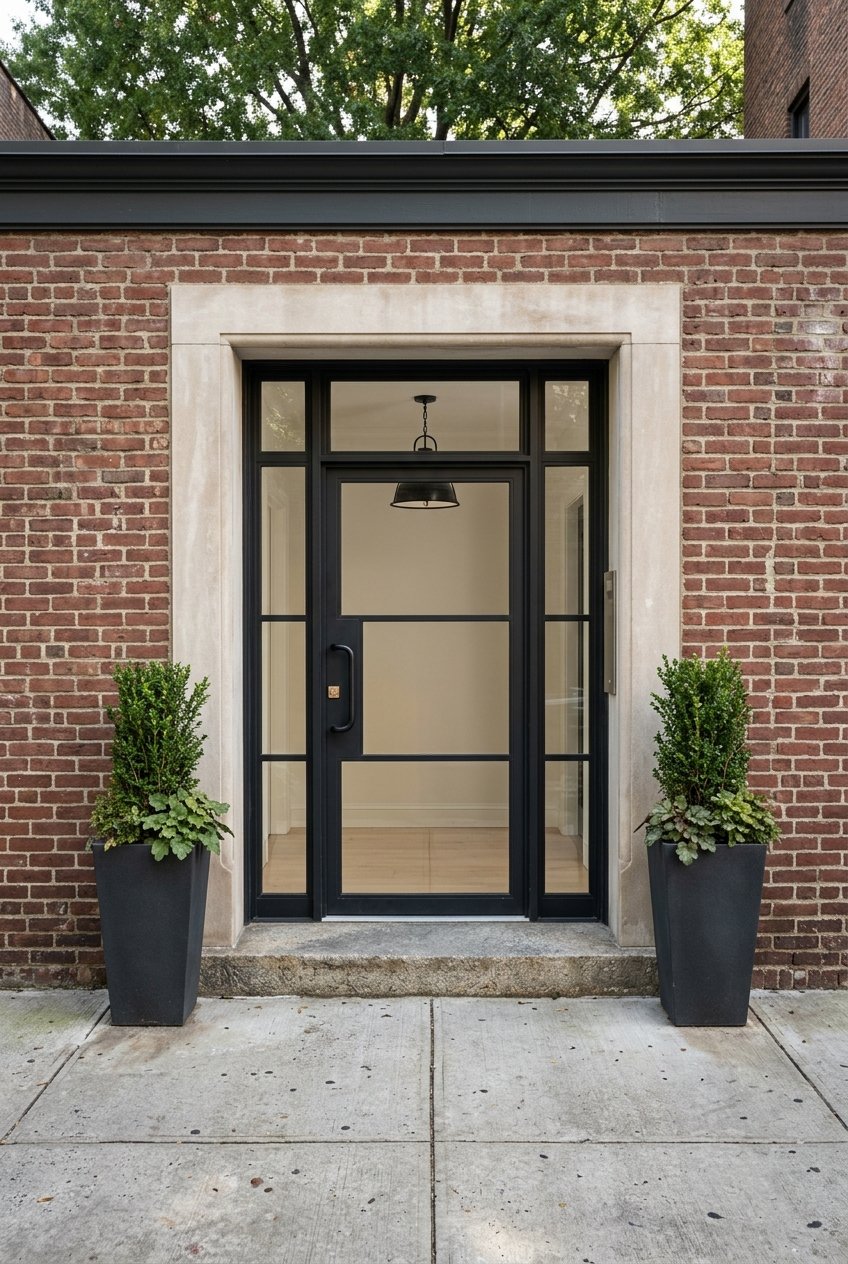
The more a project changes the public face of the house, the more review you should expect. DC preservation rules require Historic Preservation Review Board review for demolition, front or side additions, new porches or porch enclosures other than reconstruction of missing original porches, substantial rear additions, roof additions or roof decks visible from the street, new garages that are prominently visible, new curb cuts or driveways in front or side yards, and significant changes to front window or door openings.
This is where buyer expectations matter. If you are picturing a dramatic front-facade redesign, a new parking setup, or a visible rooftop project, that home may still work for you, but your timeline, approvals, and budget should reflect the likely review path.
In a historic district, the permit path matters almost as much as the design. DC’s Department of Buildings says window or door replacement requires approval before a permit application is filed, and even simple-scope instant-permit projects in historic districts still require a Historic Property special permit review by the Office of Planning.
Work in public space, meaning the area between the building line and the curb, needs a separate public space permit. Plumbing, mechanical, electrical, and gas-fitting permits can only be obtained by licensed DC trade professionals.
That means your project team matters. Buyers who plan ahead with qualified inspectors, licensed contractors, and, when needed, preservation or lead specialists are usually better positioned to move from closing to renovation with fewer surprises.
If you are serious about buying a historic rowhouse in Mount Pleasant, bring these questions into your search and contract discussions:
These questions do not just help you avoid surprises. They help you decide whether a specific home fits your budget, your timeline, and your long-term goals.
A Mount Pleasant rowhouse can be a wonderful purchase. You get architecture, history, and a neighborhood setting that feels distinctly DC. But the smartest buyers balance that excitement with careful due diligence.
That is especially true if you are a first-time buyer or relocating to DC. When you have clear guidance on inspections, lead issues, service lines, preservation review, and permit workflow, it becomes much easier to separate a manageable project from an overwhelming one.
A good buying experience should feel informed, not confusing. With the right preparation, you can enjoy the character of a historic home while making a practical, confident decision.
If you are thinking about buying in Mount Pleasant and want a clear, step-by-step strategy, Tamara Miller can help you navigate the process with the kind of detailed, educational support that makes complex DC purchases feel much more approachable.
Stay up to date on the latest real estate trends.
Whether you want to buy, sell, or invest in real estate, you need a winning strategy.

1313 14TH ST NW WASHINGTON DC 20005