What Petworth DC Community Life Feels Like Every Day
May 28, 2026
May 28, 2026
Looking for a D.C. neighborhood that feels lived in, not just looked at? Petworth stands out because so much of daily life happens right outside your front door, from porch conversations to park time to Saturday market runs. If you are thinking about buying, relocating, or simply comparing neighborhoods, this guide will help you understand what everyday life in Petworth actually feels like. Let’s dive in.
Petworth is a largely residential neighborhood in Ward 4, and its layout helps shape how people experience it day to day. The DC Office of Planning describes it as the southernmost neighborhood in Ward 4, known for townhouses, broad boulevards, and circles.
That physical design matters. Instead of feeling centered on one single attraction, Petworth works through a collection of everyday places and routines. Georgia Avenue serves as Ward 4’s commercial spine, while the Petworth Main Street area focuses on Upshur Street NW from 8th to 13th Streets and Georgia Avenue NW from Upshur to Missouri.
For buyers, that often translates into a neighborhood that feels practical and connected. You can picture daily errands, coffee runs, casual walks, and local events without needing to build your whole week around one destination.
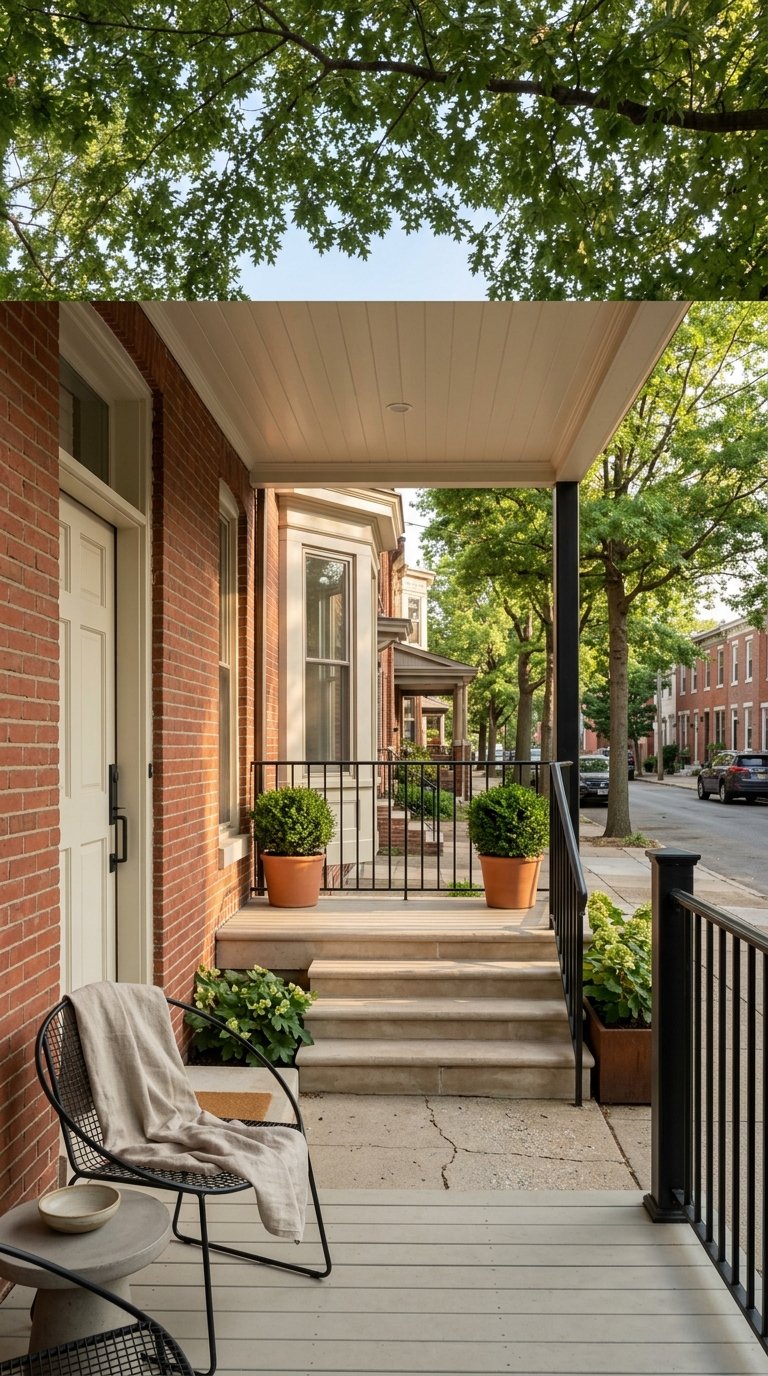
When people talk about Petworth’s porch culture, they are not just using a nice phrase. The neighborhood’s architecture gives that idea real roots.
Historic Preservation Review Board reports on Grant Circle describe early-20th-century brick rowhouses with single-story porches spanning the front façade. Planning materials also note that Petworth’s first rows were built in the 1890s, with a major rowhouse boom from 1905 to 1910 and into the 1930s, and that the porch-fronted brick Washington rowhouse became the dominant housing form.
That helps explain why Petworth often feels social at the block level. Front porches create a natural middle ground between private space and neighborhood life, which can make walks feel more animated and more connected to the people around you.
For homebuyers, this is one of the clearest ways Petworth differs from neighborhoods defined mostly by larger apartment buildings or high-rise living. Even when housing options vary, the porch-front rowhouse remains one of the area’s most recognizable features.
Petworth’s outdoor life is not limited to architecture. Parks and public open space also play a real role in how the neighborhood functions.
Petworth Recreation Center at 801 Taylor Street NW is one of the strongest examples. DC Department of Parks and Recreation says the site includes a kids’ spray park, two playgrounds, a basketball court, a soccer field, a small green space for kite flying, and Summer Jazz Concerts on the lawn. It is also near the Georgia Ave-Petworth Metro, which adds to its convenience.
That kind of amenity mix can matter whether you are moving on your own, with a partner, or with a household that wants more outdoor options close to home. It gives the neighborhood a built-in place for recreation, informal meetups, and local programming.
Grant Circle adds another layer. It is described as a 1.84-acre urban park and traffic rotary with associated triangle parks, which means the circles are not just visual design features. They are part of the neighborhood’s daily outdoor experience.
One of the best signs of a neighborhood’s rhythm is whether it gives you simple reasons to head outside each week. In Petworth, the Petworth Community Market does exactly that.
The market runs on Saturdays from 9 a.m. to 1 p.m. from May through November at 9th and Upshur. It has operated since 2010 and includes vendors offering everything from produce and desserts to clothing.
It also provides SNAP FreshMatch and WIC matching, which adds to its practical role in neighborhood life. For many buyers, routines like this matter as much as headline amenities because they shape how convenient and enjoyable a place feels over time.
If you are relocating to D.C., this is the sort of detail that can help you picture the neighborhood more clearly. You are not just choosing a home. You are choosing how your weekends and weekly habits may look.
Petworth’s commercial areas support everyday needs in a way that feels approachable and local. The Washington DC Economic Partnership’s 2024 neighborhood profile points to neighborhood-serving shops and restaurants along Upshur Street and Georgia Avenue.
Examples listed in that profile include Loyalty Bookstore, Flowers by Alexes, Cinder BBQ, Fia’s Fabulous Finds, and Lulabelle’s Sweet Shop. It also notes newer openings such as Fedwell, Little Vietnam, and San Matteo.
Petworth Main Street supports more than 200 businesses and offers year-round programming and technical assistance as part of the DC Main Streets program. That helps explain why the business mix feels active but still rooted in local daily life rather than built around a single large retail center.
For buyers and sellers alike, strong neighborhood-serving corridors can be meaningful. They contribute to walkability, help support regular foot traffic, and add to the sense that the neighborhood has multiple layers of daily convenience.
Some neighborhoods have amenities. Others have traditions that invite people to take part. Petworth has a strong public event culture that adds to its identity.
Petworth PorchFest is a volunteer-led annual event where residents host local bands on their porches while supporting local artists and businesses. The official site lists the 2026 event date as May 30, which shows how established and visible the event has become.
Petworth Main Street also lists recurring events such as Petworth in the Park: Dog Days of Summer, Art All Night, Small Business Saturday, and holiday events including the Upshur Street craft fair with Santa photos. Together, these events reinforce the idea that Petworth’s appeal comes from repeated neighborhood experiences, not just one-time attractions.
If you are trying to decide whether Petworth fits your lifestyle, this is a key takeaway. The neighborhood offers regular ways to engage with local businesses, public space, and community programming throughout the year.
Petworth is best known as a classic D.C. rowhouse neighborhood, but that is not the whole story. Planning materials describe a rich architectural variety of townhouses, broad boulevards, and circles.
Historic materials around Grant Circle also describe a mix of rowhouses and freestanding dwellings. Near the Georgia Avenue-Petworth corridor, planning documents emphasize transit-oriented mixed-use redevelopment near the Metro station, including a mixed-use project with about 148 residential units and 17,000 square feet of neighborhood-oriented retail.
That means buyers may find different living styles depending on where they focus. If you want the iconic Petworth feel, porch-front brick rowhouses are a defining part of the neighborhood. If you prefer a more corridor-oriented or mixed-use setting near transit, there are options that reflect that side of Petworth too.
This range can also matter for sellers. A neighborhood with recognizable housing identity and varied living options often appeals to a broader pool of buyers, especially in a city where priorities can differ widely from one household to the next.
Petworth tends to fit people who want a street-level urban lifestyle. The clearest neighborhood story is not about one marquee feature. It is about the accumulation of daily routines that happen outdoors and close to home.
You may find Petworth especially appealing if you value:
For first-time buyers, Petworth can be easier to understand when you think beyond the housing stock alone. Ask yourself whether you want your neighborhood to support simple routines like walking to a market, spending time in a local park, or enjoying a main street lined with small businesses.
For relocating buyers, Petworth can offer a strong sense of place because its identity shows up in daily life, not just on a map. And for sellers, the neighborhood’s recognizable character can be an asset when marketing a home to buyers looking for that classic D.C. rhythm.
If you are home shopping in Petworth, it helps to look at more than square footage or finish level. Pay attention to where a home sits in relation to the features that define the neighborhood, such as the Georgia Avenue corridor, Upshur Street, Petworth Recreation Center, Grant Circle, and the Saturday market area.
Those details can shape your day-to-day experience as much as the home itself. A block with strong porch presence, nearby green space, or easier access to neighborhood businesses may feel very different from another block, even within the same broader area.
That is where local guidance matters. A neighborhood like Petworth is best understood through its patterns of daily use, housing form, and block-by-block feel.
If you are considering a move to Petworth or preparing to sell a home in the neighborhood, Tamara Miller can help you make sense of the details with clear guidance, local insight, and a thoughtful plan tailored to your goals.
Stay up to date on the latest real estate trends.


Whether you want to buy, sell, or invest in real estate, you need a winning strategy.
1313 14TH ST NW WASHINGTON DC 20005