Living in Crestwood DC: Daily Life in a Leafy Enclave
June 18, 2026
June 18, 2026
Looking for a Washington, DC neighborhood that feels calm and tucked away without putting you far from the city? Crestwood stands out for exactly that reason. If you are trying to picture daily life here, this guide will help you understand the pace, housing character, outdoor access, and community feel that shape the neighborhood. Let’s dive in.
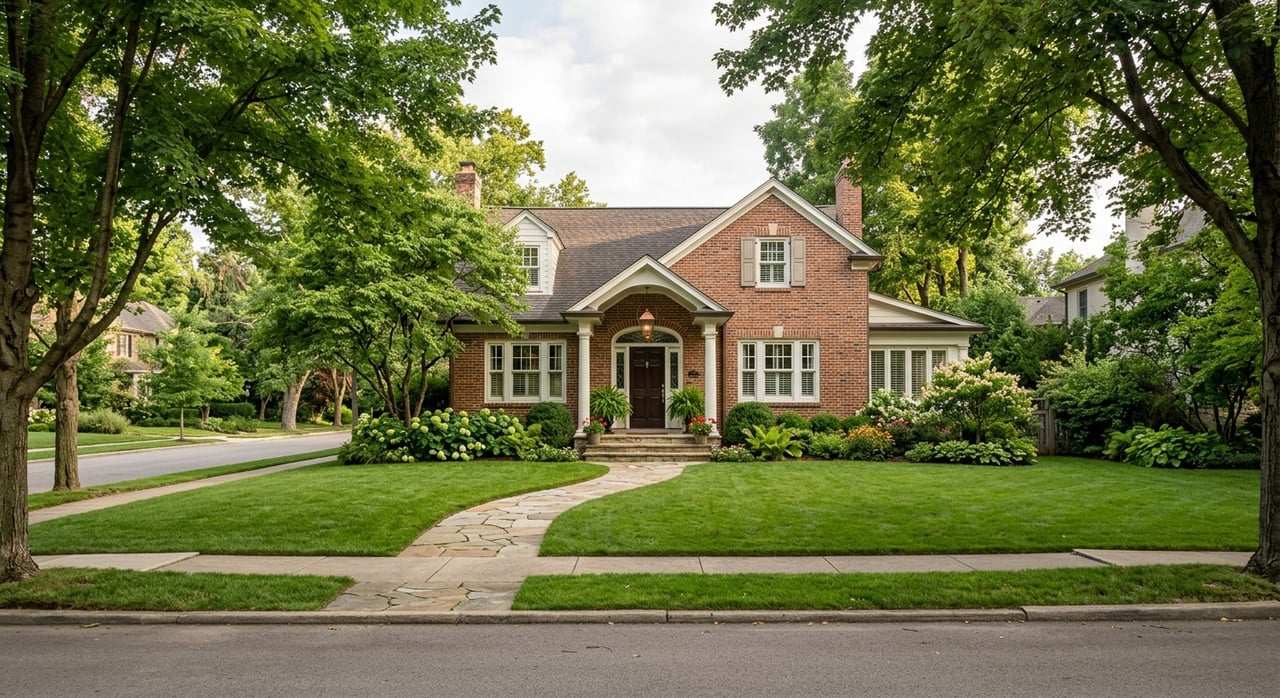
Crestwood is a residential enclave in Northwest DC with a distinctly leafy setting. The neighborhood is heavily treed, bordered on the west and south by Rock Creek Park, and known for a quieter, house-focused feel. Even with that secluded atmosphere, it sits about 3 miles north of the White House.
That contrast is a big part of Crestwood’s appeal. You get city access, but your daily surroundings can feel more park-like than urban. DC planning materials describe Ward 4’s outer neighborhoods as places with setbacks, driveways, and limited commercial resources, which fits Crestwood closely.
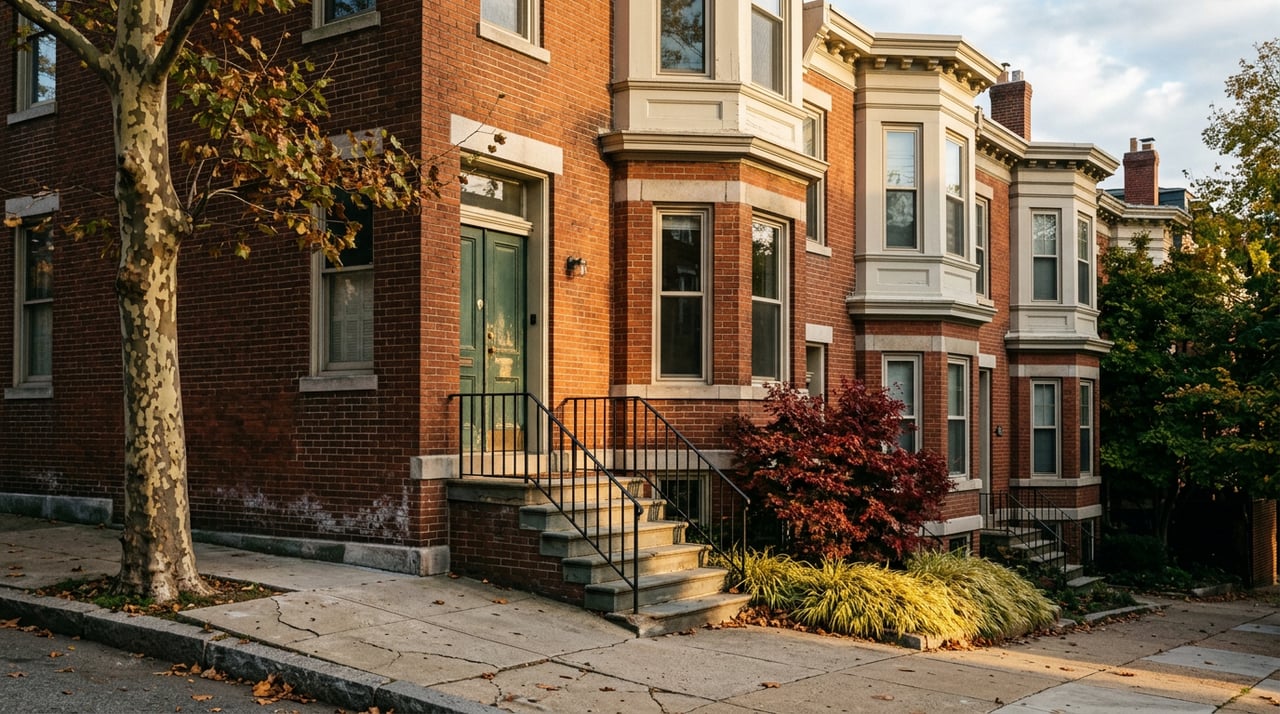
In Crestwood, the landscape is not just background scenery. Mature oak, hickory, beech, and maple trees help define the experience of the neighborhood and give many blocks a shaded, established look.
That tree canopy influences how life feels on the ground. Walks tend to feel quieter, homes feel more tucked into the landscape, and the overall pace is more relaxed. If you value greenery and a sense of visual breathing room, Crestwood offers that in a way that stands out in DC.
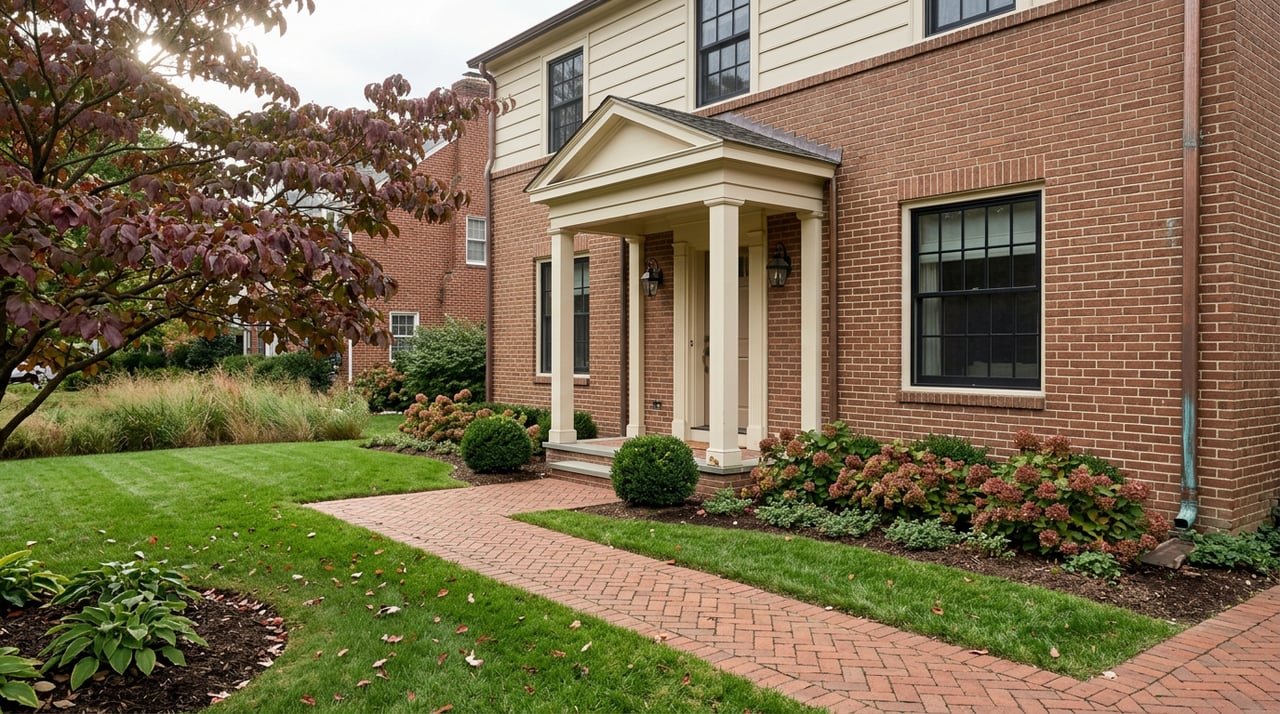
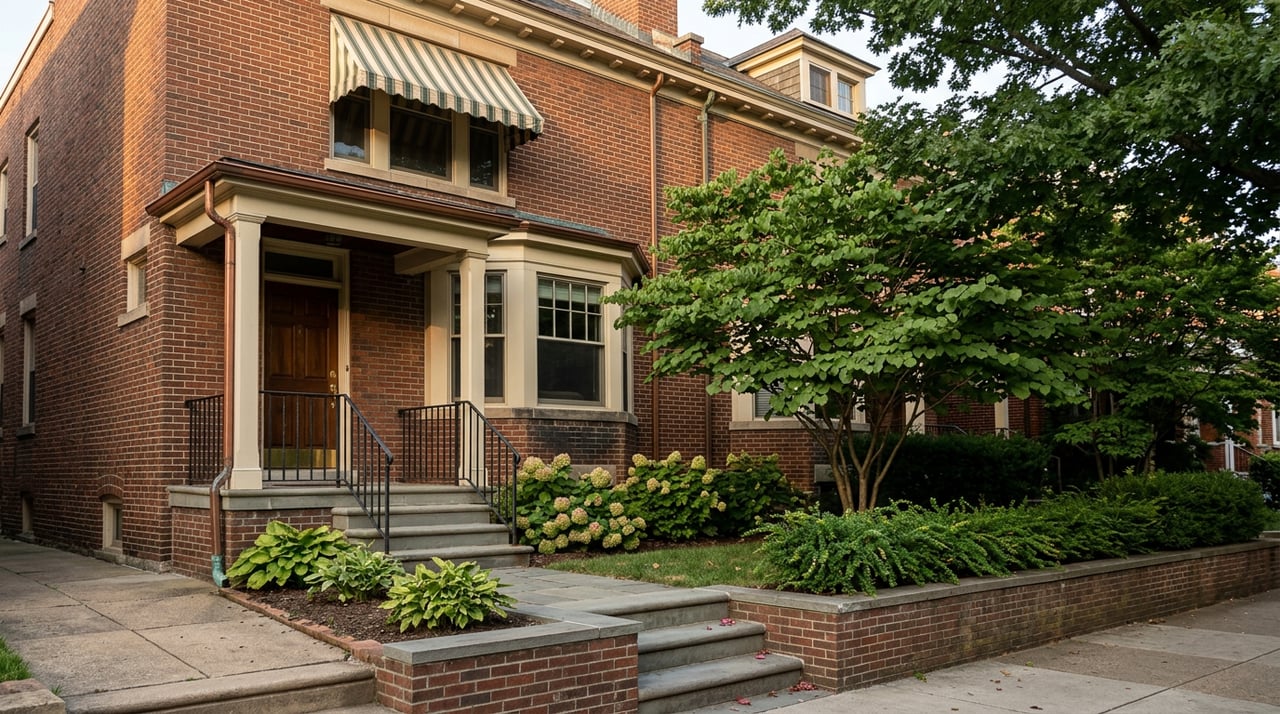
Crestwood is best known as a low-density residential neighborhood dominated by single-family homes. The area did not develop all at once, so it has a layered feel rather than a uniform one. You will find older late-Victorian homes as well as houses tied to later subdivisions like Mount Pleasant Heights, Argyle Park, and Blagden Park.
That history helps explain why the neighborhood feels established rather than newly planned. By the late 1930s, developers were already marketing Crestwood as wooded country within the downtown residential district. Today, that early suburban pattern still shows up in detached homes, driveways, setbacks, and a less crowded streetscape.
For buyers, Crestwood can feel different from more commercial or more densely built DC neighborhoods. The draw is often less about being near a busy retail corridor and more about the residential setting itself.
Common features that shape the neighborhood experience include:
If you are searching for a neighborhood with a calmer rhythm, those details matter. They shape not just the look of Crestwood, but also how it functions day to day.
For many residents, Rock Creek Park is the neighborhood amenity that most affects everyday life. The park includes nearly 3,000 acres in northwest and northeast DC and more than 30 miles of hiking trails. It offers opportunities for hiking, biking, picnicking, and other outdoor recreation.
In practical terms, that means your regular routine can include quick access to nature. A simple neighborhood walk can turn into time on a wooded trail. Weekend plans can be as easy as a picnic, a bike ride, or an outdoor stroll during daylight hours.
Pets are allowed on leash, which adds to the park’s usefulness for daily life. The park also includes accessible features such as the Nature Center and the Edge of the Woods Trail, making it a meaningful resource for a wide range of visitors.
Some neighborhoods require you to plan for green space. In Crestwood, it is more woven into the experience of living there. Because the neighborhood borders Rock Creek Park, outdoor time can feel less like a special trip and more like part of your normal week.
That can be especially appealing if you want a home base that supports walking, fresh air, and a little separation from the faster pace of the city. It is one of the clearest ways Crestwood delivers a wooded enclave feel while still staying inside DC.
Crestwood does not revolve around a commercial main street. Instead, much of the neighborhood’s social life appears to center on residents, community groups, and recurring local traditions.
The Crestwood Citizens Association highlights an active resident communication network and neighborhood organizations. That points to a place where people stay informed, share updates, and participate in local life in practical ways. The neighborhood association also describes Crestwood as a place where residents know their neighbors and even their neighbors’ dogs.
Crestwood’s traditions help bring people together without changing the neighborhood’s low-key feel. The Crestwood Citizens Association sponsors events such as an Easter Egg Hunt, July 4th Parade, Sunday-after-Labor-Day Picnic, Halloween and holiday parties, and the Turkey Trot.
These are the kinds of events that create familiarity over time. They support a sense of connection while keeping the social atmosphere local and approachable. Instead of constant activity, Crestwood offers periodic moments that help neighbors stay engaged with one another.
One event that captures the neighborhood vibe especially well is the Turkey Trot. It includes a 1-mile family walk or run and a 5K that begins at the Triangle at 18th and Argyle.
That detail says a lot about everyday life in Crestwood. Community here seems to happen at the block level, often blending outdoor activity, volunteering, and neighborhood tradition. It is a quiet kind of social infrastructure, but a meaningful one.
Crestwood’s residential identity did not happen by accident. The neighborhood’s history includes organized efforts to preserve its low-rise, house-focused character.
One notable example came in 1941, when residents opposed a proposed apartment house at 16th and Shepherd Streets. According to the neighborhood history, that effort delayed construction for years. For today’s buyers and homeowners, this history helps explain the long-standing preference for a quieter, low-density environment.
If you own a home in Crestwood, the neighborhood’s appeal is often tied to qualities that are easy to feel but important to describe clearly. Buyers may respond to the tree canopy, detached housing stock, proximity to Rock Creek Park, and the calm, tucked-away setting.
That means thoughtful presentation matters. When a home is marketed well, the story is not just about the property itself. It is also about the everyday lifestyle the neighborhood supports, from wooded walks to a more residential pace within DC.
Carter Barron Amphitheater remains a recognizable landmark near the intersection of 16th Street and Colorado Avenue. Right now, the National Park Service says the amphitheater is closed for rehabilitation.
Even so, it still helps orient the neighborhood geographically. More than anything, it serves as another reminder of how closely Crestwood is tied to the park landscape around it.
Crestwood may be a strong fit if you want a neighborhood that feels residential, green, and grounded in everyday routines rather than constant activity. It offers a house-focused setting, established trees, and direct access to one of DC’s biggest outdoor assets.
It may be especially appealing if you want the benefits of Washington, DC with a little more visual space and a quieter rhythm at home. Crestwood is not defined by commercial bustle. It is defined by canopy, neighborhood connection, and a setting that feels set apart.
If you are exploring Crestwood as a buyer, seller, or relocating client, working with a local guide can help you understand how the neighborhood compares with other Northwest DC options and how to evaluate the housing stock here with confidence. When you are ready for personalized guidance, Tamara Miller can help you navigate your next move with clear advice and a thoughtful, concierge-style approach.
Stay up to date on the latest real estate trends.


Waterfront MD

Whether you want to buy, sell, or invest in real estate, you need a winning strategy.
1313 14TH ST NW WASHINGTON DC 20005