What the Logan Circle Real Estate Market Means Now
July 16, 2026
July 16, 2026
If you are trying to buy or sell in Logan Circle right now, the market can feel a little hard to pin down. One report says buyers have more room, another shows homes still selling close to asking, and the neighborhood’s mix of condos, rowhouses, townhomes, and historic properties adds another layer. The good news is that the latest public data tells a pretty clear story once you know what to watch. Let’s dive in.
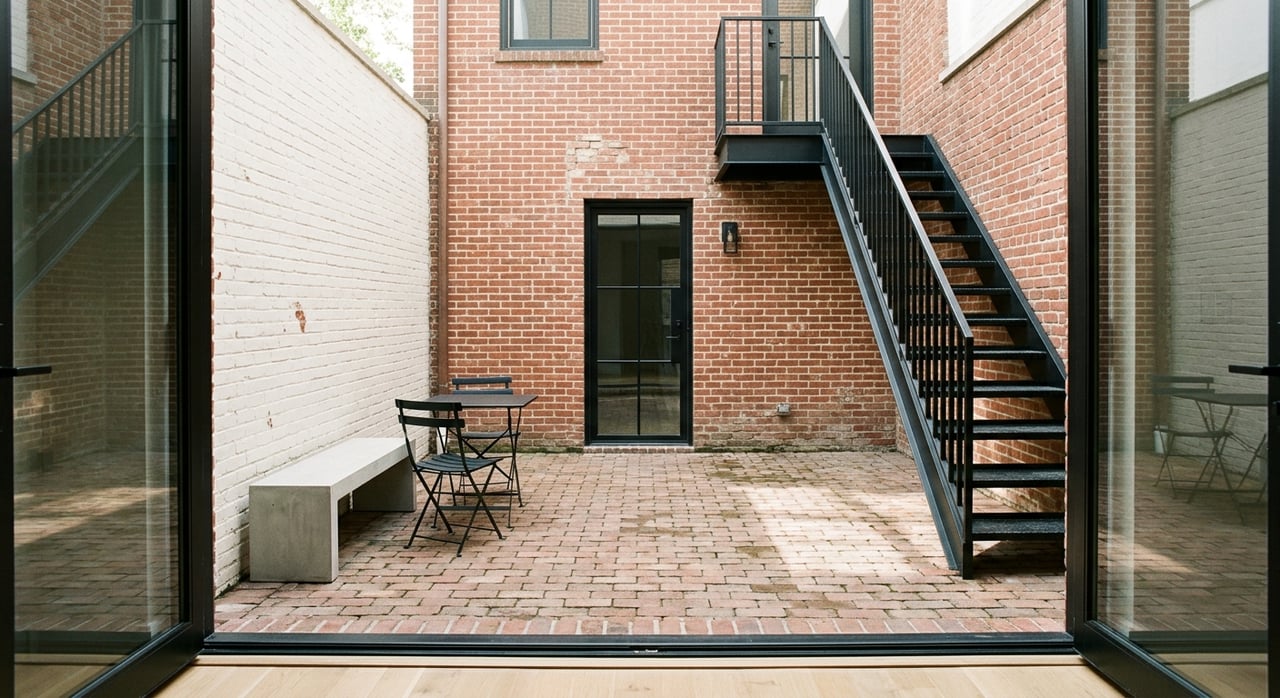
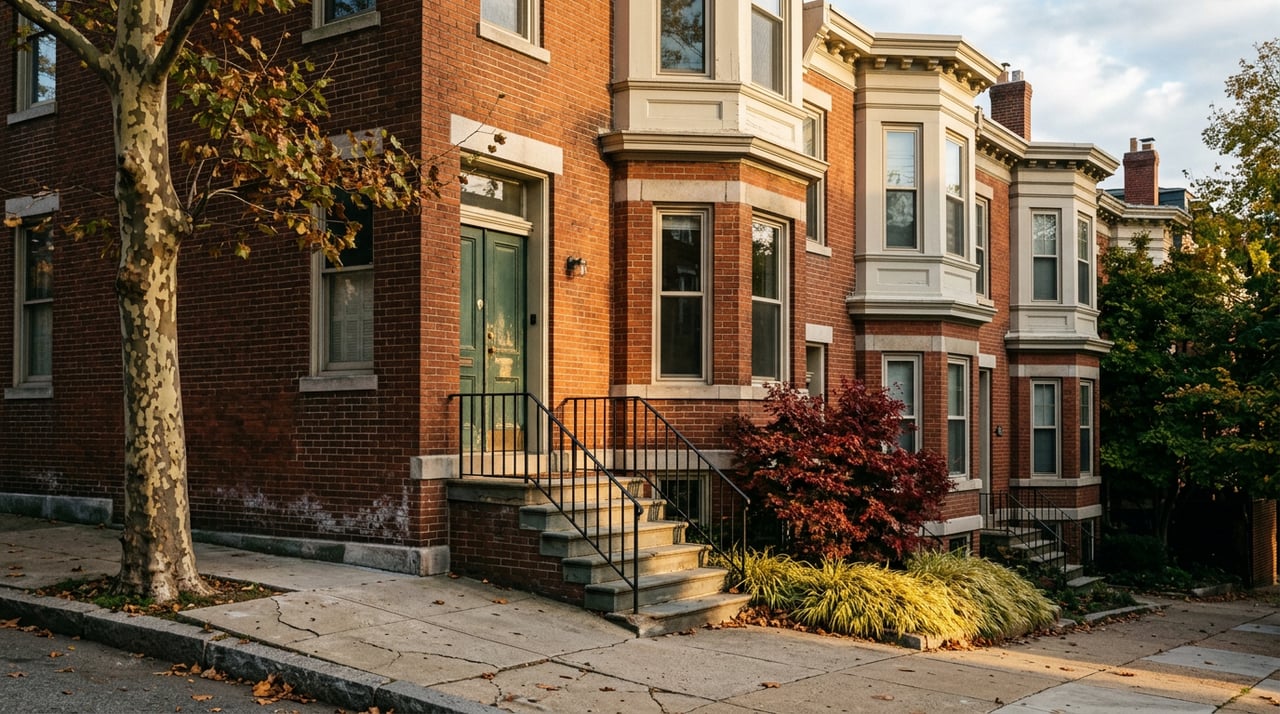
Logan Circle is one of Washington, DC’s historic neighborhoods, with a housing mix that includes mansions, rowhouses, low-rise apartments, and high-rise residential buildings. The District’s Office of Planning notes that the Logan Circle Historic District was designated in 1972, with a period of significance from 1875 to 1900. The wider 14th Street and Logan Circle corridor also includes a major retail and dining corridor, which helps explain why demand stays steady across different property types.
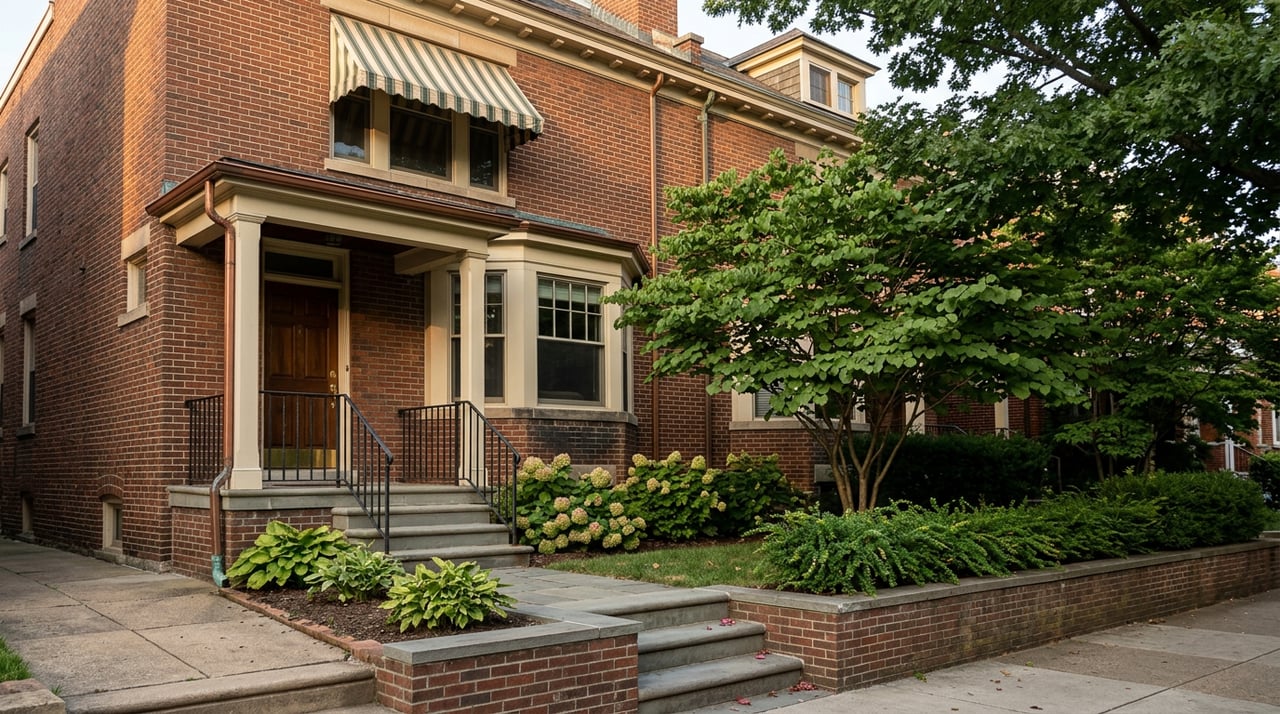
That mix matters because the market does not move the same way for every home. A condo can follow a different pricing and timing pattern than a rowhouse or townhouse, even within the same few blocks. If you are buying or selling here, broad neighborhood stats are helpful, but property type still matters a lot.
The most recent public data for Logan Circle comes from several sources, and each one uses a different time frame. Redfin tracks the three months ending May 2026, Realtor.com reports June 2026 indicators, Zillow is dated June 30, 2026, and the Bright MLS-based Sotheby’s report was updated July 6, 2026. That means the numbers are useful for spotting direction, but they are not perfect apples-to-apples comparisons.
Here is the bigger picture those reports suggest: Logan Circle remains active, homes are still selling close to list price, and buyers have more breathing room than they would in a true frenzy market. At the same time, sellers who miss the mark on price may sit longer or need a price cut.
The exact numbers vary, but the pattern is consistent. Buyers have options, homes are not flying off the shelf overnight, and pricing strategy matters.
Inventory tells you how much competition exists, whether you are shopping for a home or preparing to list one. In Logan Circle, public counts range from 52 active properties in the Bright MLS-based quarterly report to 153 on Zillow and 198 on Realtor.com.
For buyers, that means you likely have more than one or two solid options to compare before making a decision. For sellers, it means your home will be judged against a wider field. In a market with meaningful supply, presentation, pricing, and timing all become more important.
One of the clearest signs of today’s Logan Circle market is that it is not a list-it-today, gone-tomorrow environment. Current public readings range from 25 days to pending on Zillow to 37 days on Realtor.com, 44 days on the Bright MLS-based report, and 61 days on Redfin’s trend view.
That is still active by normal standards, but it gives buyers more room to compare homes and think strategically. For sellers, it is a reminder that realistic pricing and a strong launch matter from day one.
Days on market can tell you whether a home was positioned well from the start. A strong listing may still move quickly, especially if it is updated, well presented, and priced in line with recent comparable sales.
But the market also shows that not every listing gets immediate traction. Redfin reports that 34.3% of homes had price drops, which suggests buyers are paying attention and pushing back on homes that feel overpriced.
Even with more supply and more time on market, Logan Circle homes are still closing near asking price. Redfin reports a 98.9% sale-to-list ratio, while Realtor.com reports 99%. For broader context, Washington, DC’s citywide May 2026 report shows a 97.7% average sold-to-list ratio.
This is important because it points to a market that is selective, not weak. Buyers may have leverage on the right property, but sellers who price well can still achieve strong results.
A balanced or buyer-friendlier market does not mean bidding wars have disappeared. Redfin says 23.8% of Logan Circle homes sold above list.
That means standout homes can still attract strong demand. If a property is priced carefully and shows well, it can still create competition, especially in a neighborhood with varied housing stock and steady buyer interest.
If you are buying in Logan Circle, this market looks more favorable than the extreme seller-driven conditions many buyers remember from past years. Inventory levels, multi-week days on market, and near-list sale patterns suggest that there may be room to negotiate depending on the home.
That does not mean every seller will accept a steep discount. It does mean you can often take a more informed approach, especially when a home has been on the market for a few weeks or has already had a price reduction.
The current data suggests buyers should pay close attention to:
For first-time buyers in particular, this can be a helpful market to learn the neighborhood without feeling forced into a rushed decision. You still need to be prepared when the right home appears, but you may have more time to compare options than in a very tight market.
If you are selling in Logan Circle, the key word is selectivity. Buyers are still active, and homes are still selling close to asking, but they are also comparing inventory carefully.
That means overpricing can cost you time and negotiating power. In this kind of market, a polished launch and a realistic list price often matter more than aiming high and hoping buyers stretch.
The combination of near-list closings and a meaningful price-drop rate points to one clear takeaway. Buyers will pay strong prices for the right home, but they are less likely to chase a listing that starts too high.
This is where detailed prep and market positioning can make a difference. For sellers who want premium execution, thoughtful staging, photography, and strategic pre-sale improvements can help a home stand out in a competitive field.
If your home is located within the Logan Circle Historic District, planning ahead is especially important. The District’s Office of Planning says preservation review is required when a building permit is needed for work that affects exterior appearance, and HPO clearance serves as the preservation approval.
That does not mean selling a historic property is difficult. It does mean any exterior work tied to pre-listing updates should be reviewed early so your timeline stays on track.
Logan Circle is operating within a broader Washington, DC market that still rewards pricing discipline and strong presentation. The latest citywide monthly report available during this research shows 2,827 active listings, 41 average days on market, and a 97.7% sold-to-list ratio in May 2026.
That context matters because it shows Logan Circle is not moving in isolation. Like the larger DC market, it appears active but more measured than a severe scarcity market.
For both buyers and sellers, Logan Circle looks less like a one-sided market and more like a market that rewards strategy. Buyers have choices and may find negotiation opportunities, especially on listings that linger or adjust price. Sellers can still earn close-to-list outcomes, but success depends on accurate pricing, strong presentation, and understanding how your property type fits the neighborhood’s mixed housing stock.
If you want to make a move in Logan Circle, local context matters. From condo pricing to rowhouse timing to historic district planning, the details can shape your outcome more than a single headline number.
When you are ready for tailored guidance, Tamara Miller offers a warm, data-minded approach with the neighborhood insight and hands-on support that can make your next move feel much clearer.
Stay up to date on the latest real estate trends.


Waterfront MD

Whether you want to buy, sell, or invest in real estate, you need a winning strategy.
1313 14TH ST NW WASHINGTON DC 20005