Eckington DC Neighborhood Guide for Homes and Daily Life
July 23, 2026
July 23, 2026
Looking for a D.C. neighborhood that feels connected without feeling chaotic? Eckington stands out because it blends historic brick streets, rail-era character, and modern housing in a way that feels distinctly local. If you are considering a move in Northeast D.C., this guide will help you understand what Eckington feels like day to day, what kinds of homes you will find, and why so many buyers keep it on their shortlist. Let’s dive in.
Eckington has a layered story, and that is part of its appeal. It began as a planned residential subdivision, but rail infrastructure and industrial growth quickly shaped the neighborhood into something more complex.
By 1909, D.C. Planning noted that Eckington was considered the heart of Washington’s growing industrial and manufacturing center. Today, that history still shows up in the neighborhood’s mix of residential streets, older industrial buildings, and adaptive reuse projects.
In general, Eckington is described within the area bordered by the Metropolitan Branch Trail, Florida Avenue NE, North Capitol Street NE, and Rhode Island Avenue NE. The exact edges can vary a bit depending on who you ask, but the neighborhood identity is consistent: mostly residential at its core, with an industrial influence that still matters.
One of the first things you may notice about Eckington is contrast. Interior streets often feel calm and residential, while the edges near major roads and the rail corridor can feel busier and more industrial.
That contrast is not a flaw. It is part of what gives Eckington its character. The neighborhood offers a quieter feel than some nearby districts, but it still stays tied into the movement and energy of the city.
The eastern side especially retains more of that industrial atmosphere, with warehouses and train activity still shaping the experience. For some buyers, that texture feels authentic and urban. For others, it is a reminder that block-by-block context matters here.
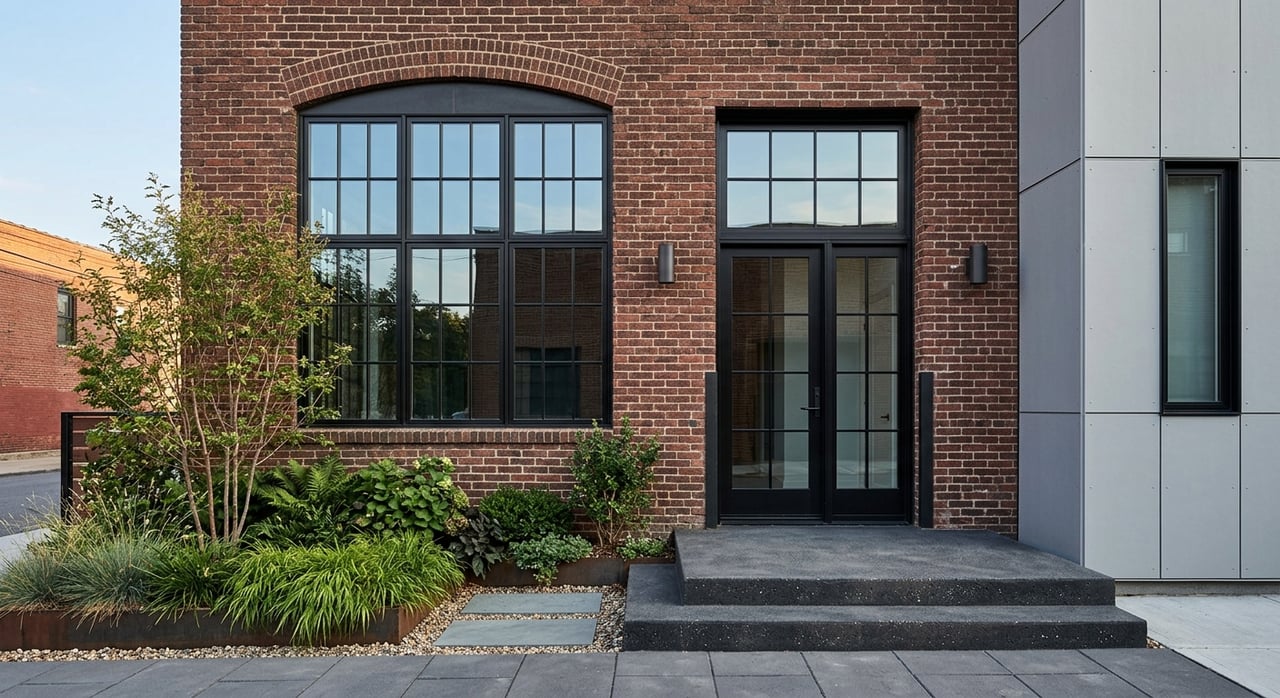
Eckington offers a housing mix that appeals to a wide range of buyers. You will find historic rowhouses, newer condos, apartments, and some loft-style homes that reflect the neighborhood’s industrial roots.
Washingtonian describes the area as being dominated by rowhouses and older industrial structures, while newer mixed-use development has added more housing choices. That means you are not limited to one type of property or one kind of lifestyle.
For first-time buyers, this variety can be especially useful. If you want a condo with newer finishes and lower maintenance, there are options. If you are drawn to classic D.C. rowhouse living, Eckington also gives you that opportunity.
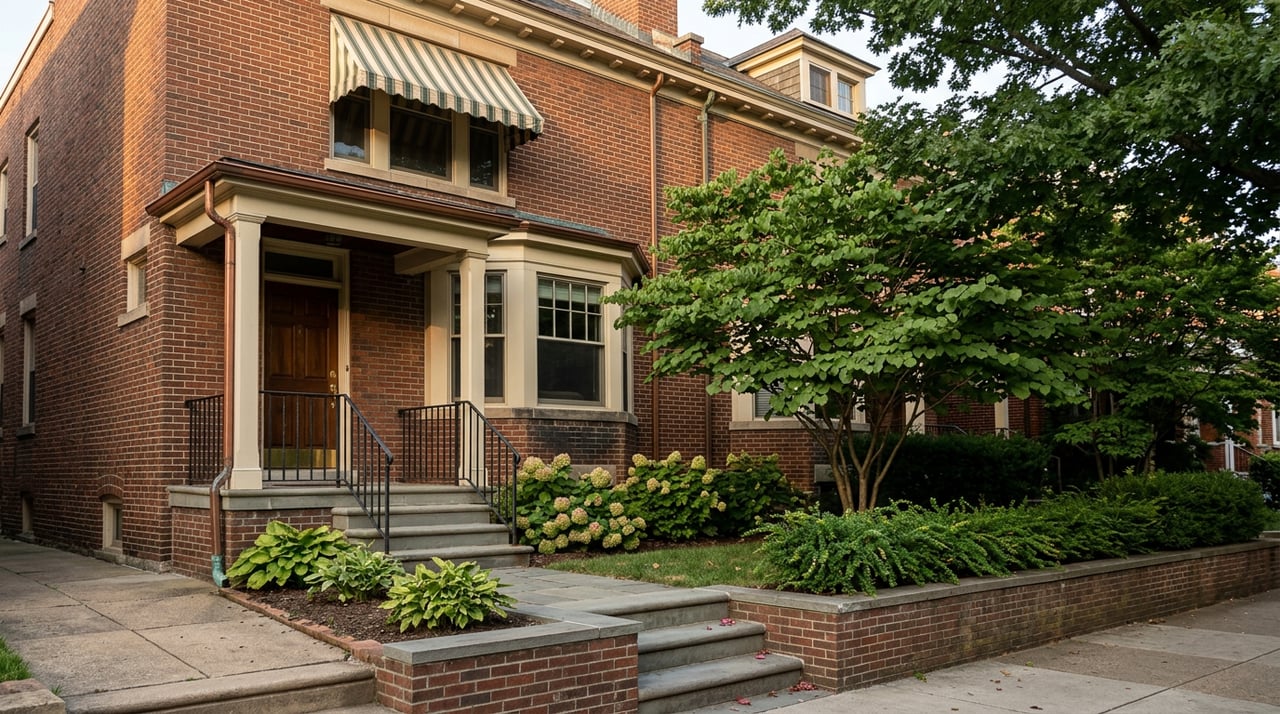
Rowhouses remain one of Eckington’s defining housing types. They help shape the neighborhood’s residential feel and give many blocks that familiar D.C. rhythm of brick facades, stoops, and tree-lined streets.
Compared with nearby Bloomingdale, Washingtonian notes that Eckington tends to offer quieter streets and more modestly sized rowhouses. For buyers who want character without feeling right in the middle of a busier retail scene, that can be a real advantage.
Newer development has expanded the neighborhood’s appeal. Eckington Yards, completed in June 2021, brought a large LEED Gold mixed-use community with 457 apartments, 45 two-level condos, 179 luxury condos, and about 70,000 square feet of retail.
Projects like this have changed what it means to live in Eckington. You can now find housing that pairs newer construction with walkable access to neighborhood amenities, while still being in an area with strong architectural history.
If you are drawn to homes with a more modern industrial look, Eckington has some of that too. Union Lofts added eight luxury two-level residential condominiums with double-height living spaces and roof decks on formerly vacant lots.
At the same time, projects like the restoration of 1500 Eckington Place show how older industrial structures are being repurposed for modern use. The big picture is that Eckington’s industrial identity is not disappearing. It is being reinterpreted through infill, new construction, and selective reuse.
A neighborhood with industrial roots can still offer breathing room, and Eckington does. Alethia Tanner Park is one of the clearest examples of how the neighborhood has added meaningful green space.
This 2.5-acre community park opened in June 2020 and includes a lawn, playground, dog park, cafe space, boardwalk meadow, and direct access to the Metropolitan Branch Trail. It also hosts community events and a farmers market, which adds to its role in everyday neighborhood life.
For many buyers, this park changes the feel of the area. It gives Eckington an outdoor anchor that balances the harder edges of rail lines, warehouses, and major roads.
Harry Thomas Sr. Recreation Center adds another layer of convenience. According to D.C. DPR, it includes an outdoor pool, field and track, playground, basketball courts, and tennis courts.
That kind of recreation access matters in daily life. Whether you want space to exercise, spend time outdoors, or enjoy neighborhood amenities close to home, Eckington offers more than its industrial history might first suggest.
For many D.C. buyers, location is not just about the neighborhood itself. It is also about how easily you can move through the city. Eckington performs well on that front.
The neighborhood benefits from access to both the NoMa-Gallaudet U station area and the Rhode Island Ave station on the Red Line. WMATA notes that the Rhode Island Ave station offers Red Line service, parking, bike racks, and bikeshare.
The Metropolitan Branch Trail is another major advantage. DDOT describes it as a rail-with-trail corridor along the old B&O line, and many residents use it for biking and walking to other parts of the city.
Eckington’s transit story is practical, not just theoretical. You are not simply near a train line. You are connected to a wider mobility network that reaches places like Union Station, NoMa, and the larger trail system.
That can be especially appealing if you want city living with flexible commuting options. Walking, biking, rail access, and bus service all help make Eckington feel connected in a very usable way.
Eckington’s daily rhythm tends to feel more low-key than some nearby areas. At its center, it is largely residential. Yet it also sits close to stronger retail and dining nodes, which gives you options without requiring constant activity right outside your door.
Washingtonian points to nearby spots in the broader Bloomingdale and Eckington corridor like Red Hen, Big Bear Cafe, Boundary Stone, and DCity Smokehouse. Eckington Yards and nearby NoMa and Union Market also add more retail and food options, plus other destination-style amenities.
For buyers, this often translates into balance. You can enjoy quieter home streets while staying close to places you may already visit regularly.
Eckington can make sense for buyers who want a residential feel without giving up city access. If you like the idea of rowhouses, newer condos, trail access, and a neighborhood that still feels grounded in D.C. history, this area deserves a closer look.
It may also appeal to relocating buyers who want strong access to transit and key destinations, but do not necessarily want to live in a neighborhood with nonstop foot traffic. The mix of old and new can be a strong fit if you value character and convenience in equal measure.
The key is to look carefully at the specific block and property. In Eckington, the experience can shift depending on whether you are tucked into a quieter residential street or closer to Florida Avenue, North Capitol Street, or the tracks.
Eckington is easy to oversimplify, and that is where thoughtful guidance matters. It is not just a historic neighborhood. It is not just a new development story either.
Instead, it is a neighborhood where historic industry, residential streets, green space, and newer housing all intersect. If you are considering buying here, it helps to evaluate not only the home itself but also the exact micro-location, noise patterns, transit access, and how you want your day-to-day routine to feel.
That kind of neighborhood-by-neighborhood and block-by-block perspective is especially important in D.C. If you want help weighing Eckington against nearby options, or understanding whether a condo, rowhouse, or newer mixed-use home fits your goals, working with a local guide can make the process much clearer.
If you are thinking about buying or selling in Eckington or anywhere in inner D.C., Tamara Miller offers warm, education-first guidance with the local insight to help you make a confident move.
Stay up to date on the latest real estate trends.




Whether you want to buy, sell, or invest in real estate, you need a winning strategy.

1313 14TH ST NW WASHINGTON DC 20005