Bloomingdale DC Neighborhood Guide to Cafes & Community Life
February 19, 2026
February 19, 2026
You can feel Bloomingdale the moment you turn onto its tree‑lined streets: neighbors chatting on stoops, a steady hum from corner cafes, and a weekend market that anchors the week. If you’re curious about what day‑to‑day life looks like here, or you’re weighing a move, you want a clear, local guide to the places and patterns that define the neighborhood. This guide walks you through the best coffee stops, evening hangouts, greenspaces, and how these fit into Bloomingdale’s historic streetscape. Let’s dive in.
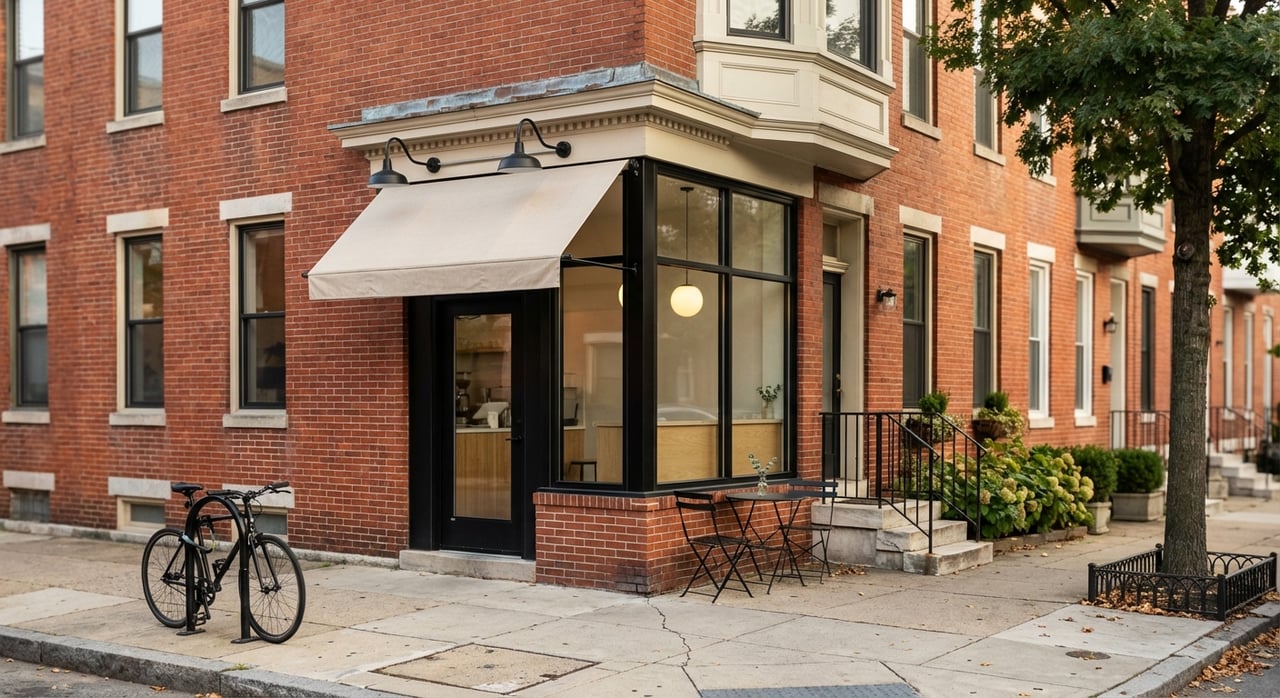
Bloomingdale sits about 1 to 2 miles north of the U.S. Capitol, with compact blocks of late‑19th and early‑20th century rowhouses that give the area a consistent, welcoming feel. The neighborhood’s main commercial energy clusters along Rhode Island Avenue NW, 1st Street NW, and the Florida Avenue and North Capitol edges, creating short, walkable loops for your daily errands and meetups. As Wikipedia’s overview of Bloomingdale notes, this is very much a rowhouse neighborhood with a small‑scale, community rhythm.
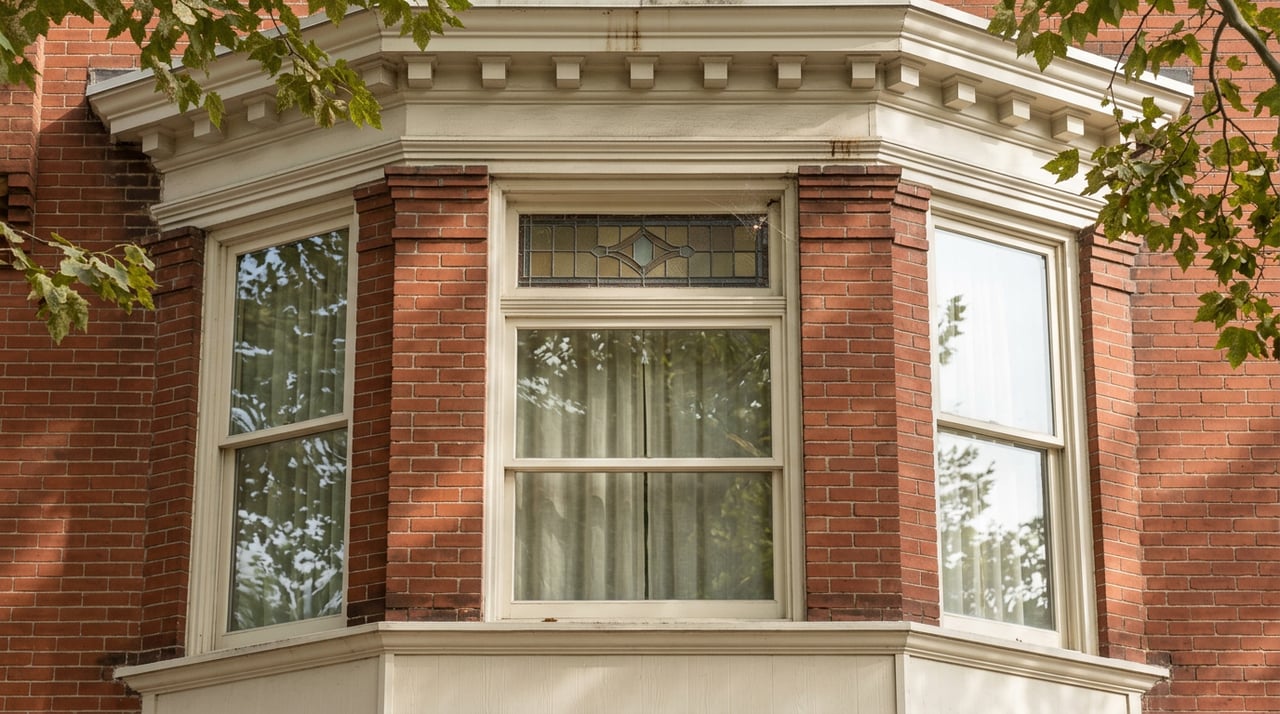
Much of that cohesion comes from Bloomingdale’s historic status. The neighborhood is a designated historic district, listed on the National Register, with a period of significance roughly 1891 to 1948. That helps explain the preserved brick facades, turrets, and repeating streetscapes you see on long blocks. If you’re a design lover or a future homeowner researching exterior changes, the historic district report is a helpful reference point.
Bloomingdale’s everyday rhythm begins with coffee and an easy walk.
Hours and menus change, so it’s smart to confirm details directly before you head out.
If you want a weekend that feels local from the first sip of coffee, try this easy walk:
Want to add a family‑friendly stop? Walk over to nearby LeDroit Park for Common Good City Farm, an urban farm and community market that supports weekly food access and youth programs. See program details via Common Good City Farm’s listing.
Bloomingdale does low‑key evenings well. Think neighborhood pubs, dinner destinations, and an easy walk home.
Pick one or mix two. The point is simple: you can meet friends, share a meal, and be back on your block in minutes.
Two simple ingredients give Bloomingdale its neighborly pulse: a reliable weekend market and intimate green pockets.
Bloomingdale’s central location gives you options. Buses run along Florida Ave, Rhode Island Ave, and North Capitol, and many blocks sit within a walk of two Metro stations: roughly 10 to 15 minutes to Shaw–Howard U (Green and Yellow lines) and 15 to 25 minutes to NoMa–Gallaudet U (Red Line), depending on your address. For route planning and service updates, use a current trip resource like this DC getting‑around guide, then confirm with WMATA.
On most blocks, residential street parking is the norm. Some homes include off‑alley or private parking, but many residents rely on permits and posted restrictions. If parking matters to you, check the rules on your target block and confirm any parking features on individual listings.
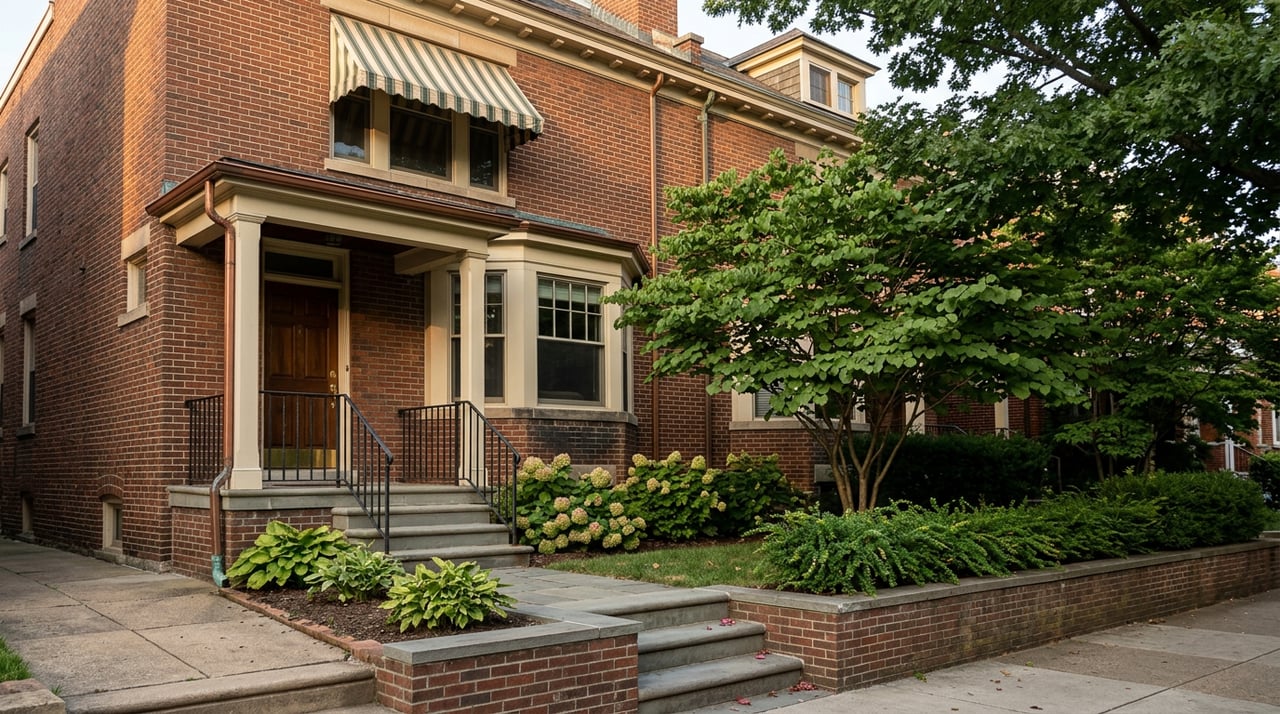
Bloomingdale’s streetscapes are defined by attached Victorian and Edwardian rowhouses that date from the late 1800s through the early 1900s. Many feature brick facades, small front yards, classic stoops, and occasional turreted corners. The 2018 historic‑district designation helps explain why so many blocks still read as long, cohesive rows. For background and design context, see the historic district report.
In today’s listings, you’ll often see single‑family rowhouses, two‑unit conversions, and some modern condo or multiunit buildings along the avenues. Finished basements are common and are sometimes used as rental or flex space. That mix supports Bloomingdale’s everyday lifestyle: stoop chats with neighbors, quick walks to the market, and short evening loops to dinner.
On pricing, major housing aggregators have recently shown neighborhood figures that suggest intact rowhouses in Bloomingdale often sell in the mid‑six‑figure to low‑seven‑figure range. Exact pricing varies with lot depth, renovation level, and features like a finished basement or parking. If you are actively shopping or planning to sell, get a fresh, block‑by‑block read before making decisions.
Bloomingdale has an active civic culture, including neighborhood listservs, the Bloomingdale Civic Association, and Advisory Neighborhood Commission meetings. The neighborhood is within ANC 5E, and that civic channel frequently shares updates on community events, parks, and small businesses. You can learn more about ANC 5E at the ANC profile page.
Schools and programs evolve over time. If school assignments are a priority in your search, confirm boundaries and program details directly with DCPS or your listing agent. For family‑friendly amenities, many neighbors rely on local pocket parks, the farmers’ market, and nearby urban farm programs.
Ready to map your own loop through Bloomingdale and see what living here could look like for you? If you want a guided, hospitality‑minded approach to buying or selling in the neighborhood, connect with Tamara Miller for a friendly, data‑informed consultation.
Stay up to date on the latest real estate trends.

Whether you want to buy, sell, or invest in real estate, you need a winning strategy.
1313 14TH ST NW WASHINGTON DC 20005