Everyday Adams Morgan DC Living: A Local Guide
February 5, 2026
February 5, 2026
Thinking about calling Adams Morgan home? You’re not alone. This Northwest D.C. neighborhood offers a vibrant street scene, global dining, and easy, everyday walkability that’s hard to beat. If you want an urban lifestyle with errands, coffee, and nightlife just steps away, Adams Morgan delivers. In this guide, you’ll learn what daily life feels like, how to get around, what housing looks like, and practical tips to help you decide if it’s the right fit. Let’s dive in.
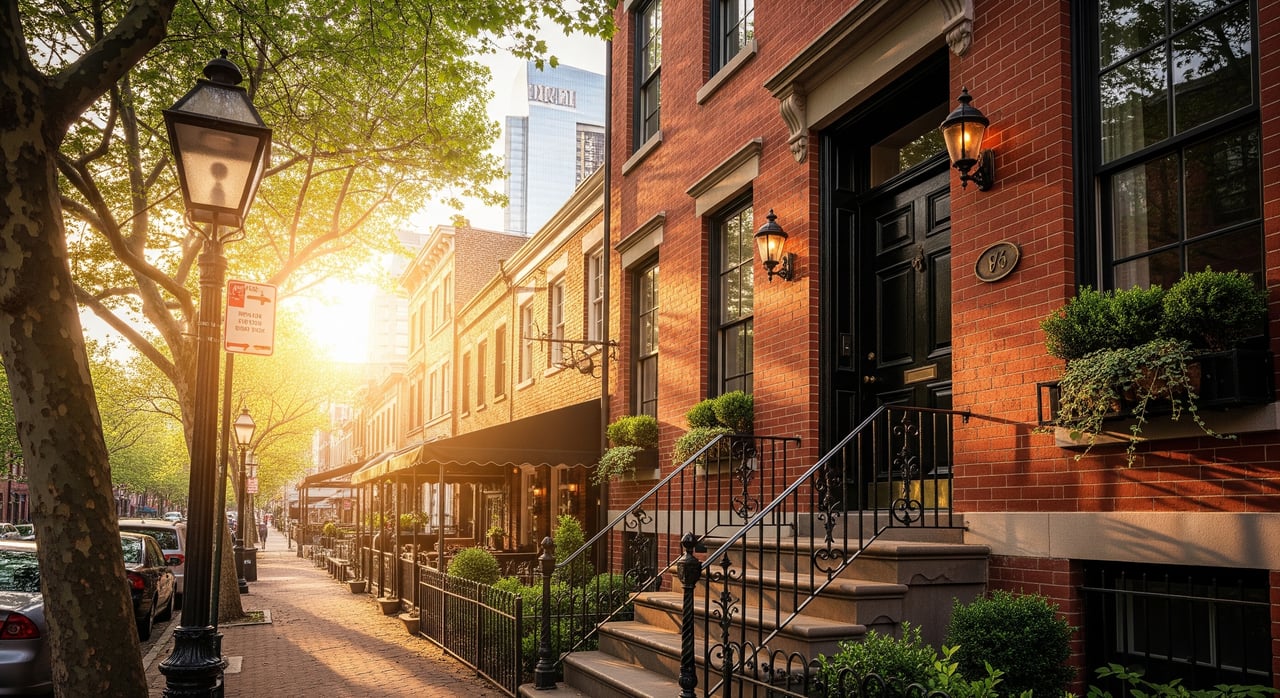
Adams Morgan is a dense, mixed-use neighborhood with a strong identity and active street life. You’ll find independent restaurants, casual cafes, small shops, and late-night spots clustered along the main corridors. Evenings and weekends feel lively, while weekday mornings are quieter with coffee runs, dog walks, and local errands.
It’s helpful to know that Adams Morgan is an informal neighborhood. Exact boundaries vary by map. For authoritative references, look to DC Office of Planning neighborhood maps, ANC 1C materials, or the Adams Morgan Partnership’s public resources.
Adams Morgan is very walkable. Most daily needs are within a short walk along the main streets. Many residents choose to be car-light or car-free.
There is no central Metro station named “Adams Morgan,” but several stations are within a short bus, bike, or ride away. Frequent Metrobus routes serve the 18th Street and Columbia Road corridors, and bike lanes and bike-share are commonly available nearby. If you drive, expect limited street parking. Residents often use permit parking, garages, or plan their routines around peak times.
This neighborhood is known for a high concentration of independent restaurants and international cuisines, from Latin American to Mediterranean and beyond. You can choose from casual cafes, takeout counters, and sit-down spots, with price points ranging from budget-friendly to mid or upscale.
Nightlife is part of the local rhythm. Bars, music venues, and late-night eateries create an energetic scene, especially on weekends. If you prefer quieter evenings at home, consider homes on side streets or upper floors and look for buildings with good soundproofing.
You’ll see tree-lined streets and small parks woven into the neighborhood fabric, along with casual outdoor dining and pocket playgrounds. Larger green spaces sit in nearby neighborhoods, so joggers and weekend walkers often combine residential blocks with trails just beyond the core.
For specifics on park names and amenities, consult DC Parks and Recreation maps and local community listings when you’re ready to explore.
Adams Morgan has long reflected D.C.’s cultural diversity through its businesses, music venues, and arts-driven storefronts. Community events and an annual neighborhood festival, often known historically as Adams Morgan Day, celebrate local identity and bring neighbors together.
Local organizations, including the Adams Morgan Community Association and ANC 1C, stay active on neighborhood issues. If you like to be involved, you’ll find plenty of opportunities to engage.
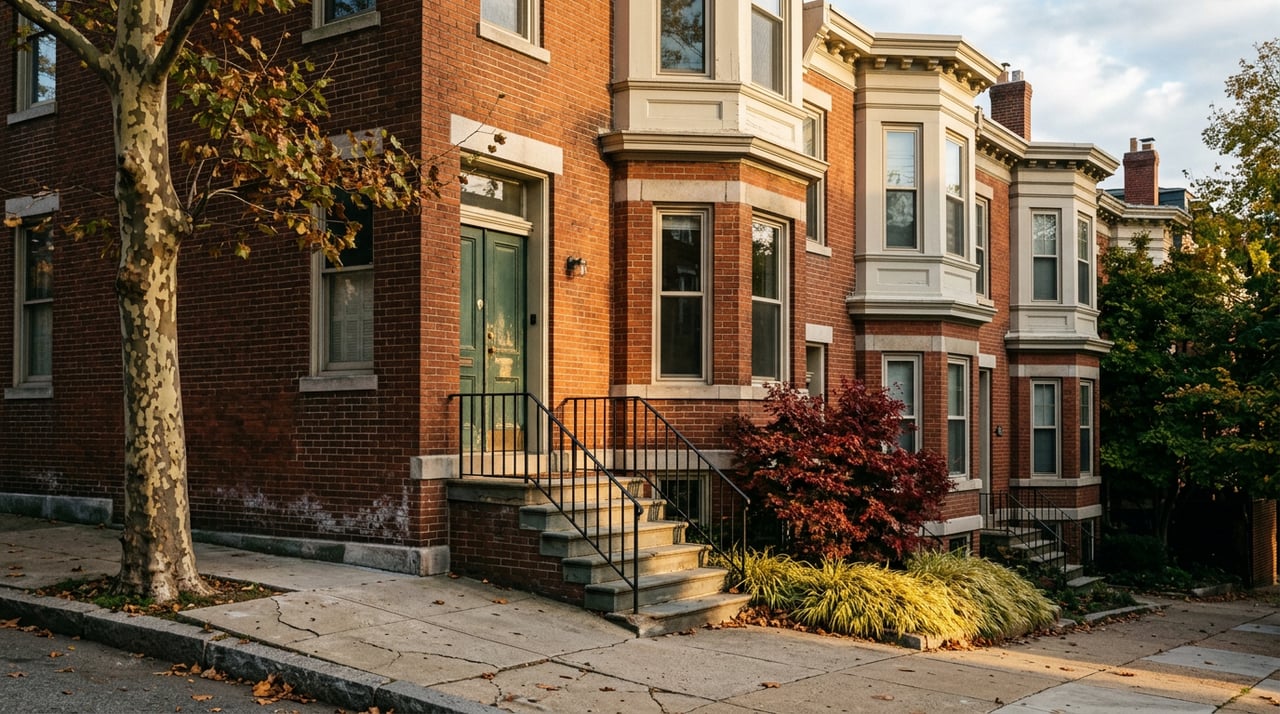
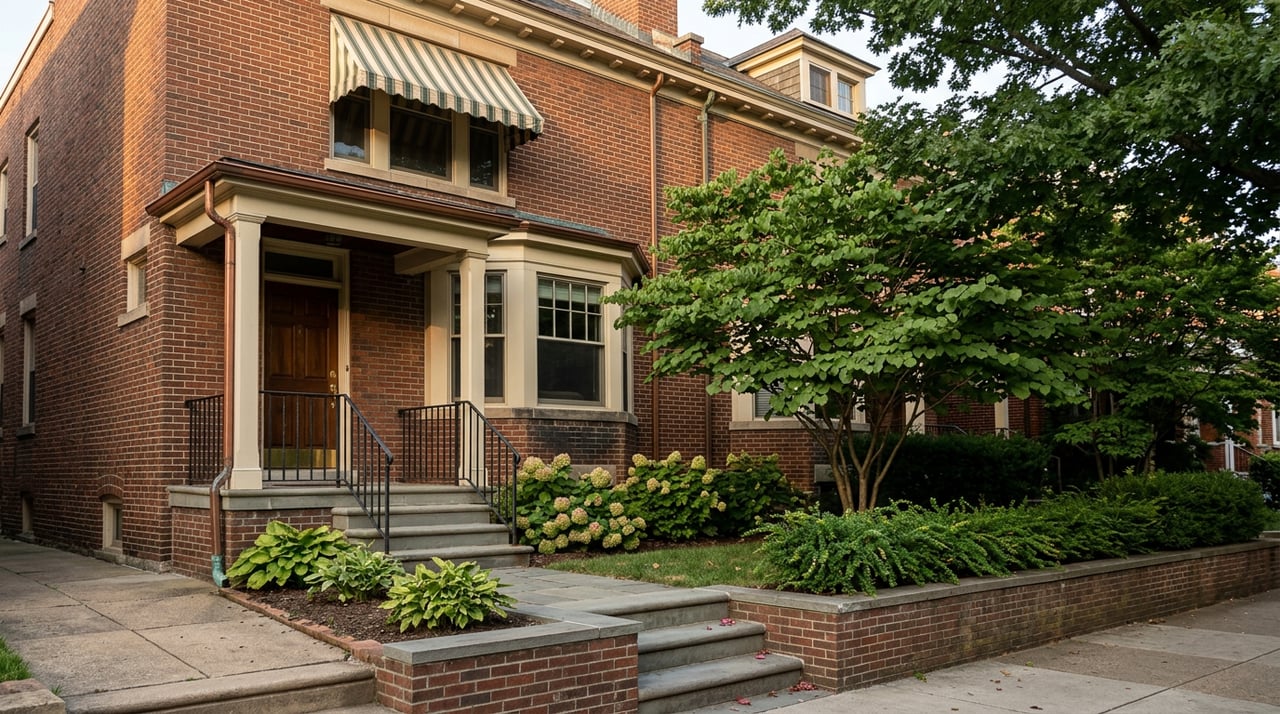
Housing here is a mix of low-rise apartment buildings, garden apartments, condominiums, rowhouses, and a smaller number of single-family homes on side streets. Many residences are rentals or small condos rather than large, suburban-style homes.
Prices and rents tend to be above the national average due to the central location. That said, costs vary by building condition, unit size, and exact block. You’ll also see a range of renovated and adaptive reuse properties alongside prewar buildings.
The neighborhood is served by DC Public Schools with a mix of charter and private options nearby. School assignments can change, so verify boundaries and enrollment details directly with DCPS. Daycare, preschools, and after-school programs are available in and around the neighborhood; availability and waitlists vary by provider.
Adams Morgan is an urban environment where crime levels can vary by block and time of day. Corridors with nightlife may see more late-night incidents. Residents commonly use standard urban safety practices and keep an eye on MPD data tools and DC Open Data dashboards for current, localized statistics.
If safety is a priority, pay attention to lighting, building access, and neighborhood foot traffic during your tours. You can also attend ANC or community safety meetings to stay informed.
Pharmacies, urgent care clinics, and primary-care offices are located within and around the neighborhood. Major hospitals elsewhere in the city are a short drive away. For your shortlist, note the nearest pharmacy, urgent care, and preferred hospital as part of your move-in plan.
Adams Morgan has a long, multicultural history, and like many central D.C. neighborhoods, it has seen rising property values and shifts in its retail mix in recent decades. Conversations about preserving neighborhood character while encouraging investment are ongoing. ANC 1C meeting minutes, DC Office of Planning materials, and Adams Morgan Partnership updates offer insight into active proposals, streetscape improvements, and local business initiatives.
Adams Morgan may be a great fit if you:
Start your morning with a quick walk to a local café, then grab groceries or essentials along the main corridors. Midday, meet a friend for a casual lunch or set up with a laptop at a neighborhood coffee shop. In the evening, choose from a range of restaurants and, if you like, catch live music or a late-night snack.
If you’re weighing the tradeoffs of different blocks, building types, and budgets, you don’t have to navigate it alone. With hospitality-rooted service and education-first guidance, Tamara helps first-time buyers, relocating clients, and sellers plan each step with clarity. For sellers, Compass Concierge can support pre-sale improvements, staging, and standout marketing to maximize results. When you’re ready, connect with Tamara Miller to map your best next step.
Stay up to date on the latest real estate trends.
Waterfront MD

Whether you want to buy, sell, or invest in real estate, you need a winning strategy.
1313 14TH ST NW WASHINGTON DC 20005