Adams Morgan Condo vs Rowhouse: How to Decide
March 5, 2026
March 5, 2026
Love the energy of Adams Morgan but not sure if a condo or a rowhouse fits your life and budget? You are not alone. Many buyers weigh convenience and lower exterior upkeep against space, privacy, and long-term flexibility. In this guide, you will learn how each option lives in Adams Morgan, what costs to expect, and the questions to ask before you tour. Let’s dive in.
Adams Morgan is dense, lively, and very walkable. Side streets are tree lined and historic, while Columbia Road and 18th Street bring restaurants, shops, and nightlife. Walk Score rates the neighborhood a Walker’s Paradise, with strong transit and bike access.
There is no Metro station on every corner. Woodley Park–Zoo/Adams Morgan on the Red Line sits across the Duke Ellington Bridge. U Street and Columbia Heights on the Green/Yellow Lines serve the southern and eastern edges. Your exact block and bus routes matter. When you compare units, note whether a condo faces the commercial strip or a rowhouse sits on a quieter block.
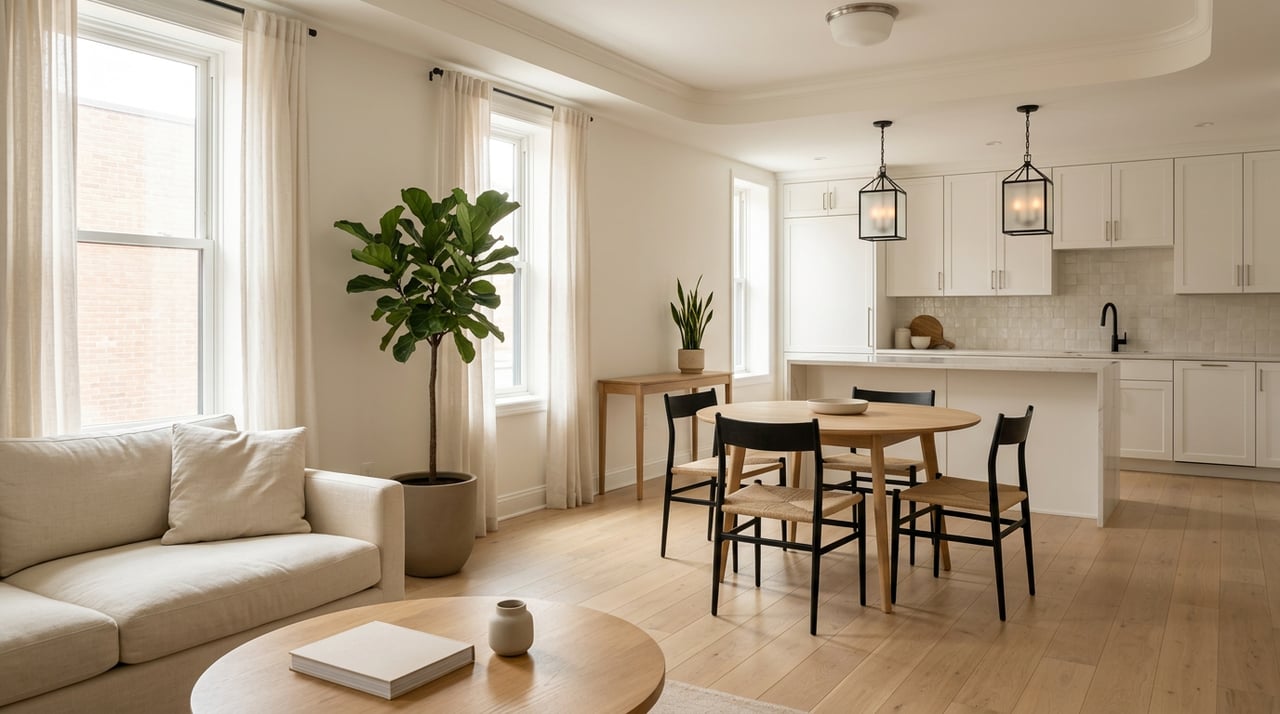
Condos in Adams Morgan are often boutique conversions, garden or loft-style units in historic buildings, mid-rise elevator buildings, and some newer infill projects. Interiors are efficient. Many studios and one-bedrooms run about 400 to 800 square feet. Two-bedrooms often range from roughly 700 to 1,200 square feet or more, depending on the layout.
Common features include open living and kitchen spaces and, in some buildings, balconies or terraces. In-unit laundry is common in newer or renovated units but not guaranteed in older conversions. Parking varies. Some condos include deeded spaces, while others rely on street parking or nearby garages.
Condos are part of a homeowners association. The HOA manages exterior maintenance and building systems. Monthly dues vary by building size, age, and amenities. Dues can include water, trash, gas or heat in some buildings, and sometimes concierge or garage costs. Always review the budget and reserves.
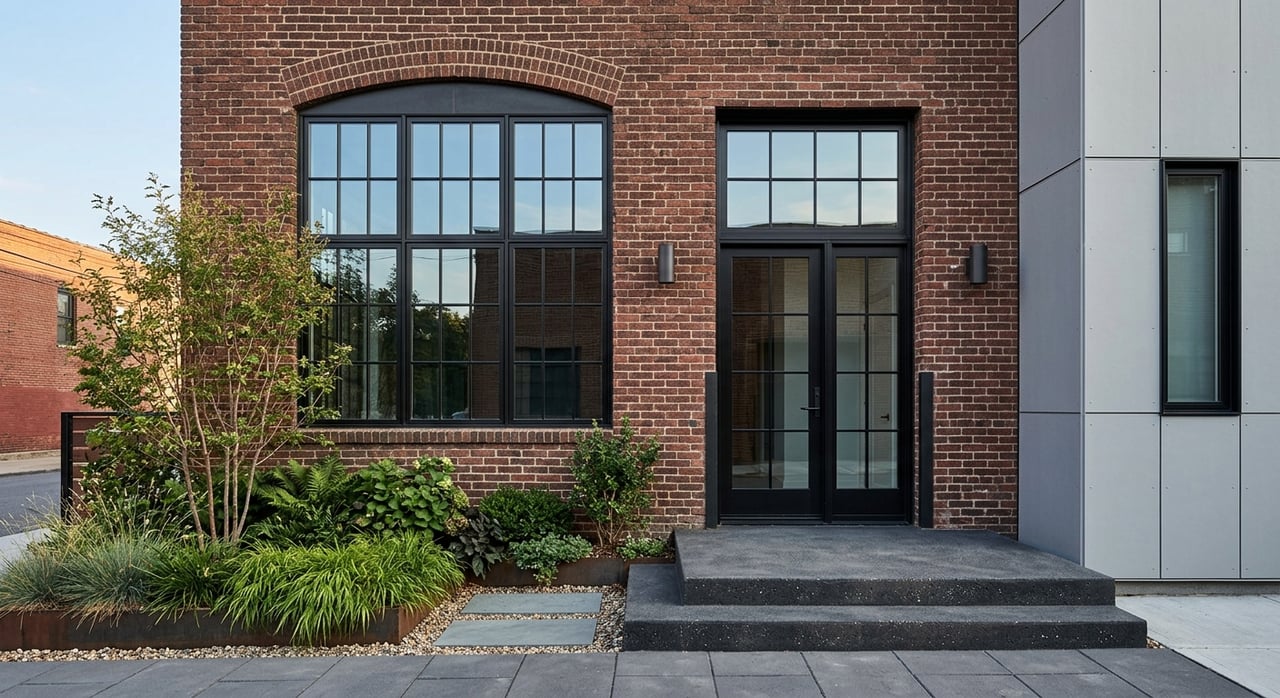
Rowhouses in Adams Morgan are typically attached historic homes, often Victorian or Wardman style, set on narrow lots. Many are two to four stories plus a basement. Sizes vary widely. Smaller historic rowhouses can be about 900 to 1,200 square feet. Larger, restored homes can exceed 2,000 to 3,500 square feet.
You will likely find multi-level living with parlor and sleeping floors, plus a basement used for utilities or extra living space. Outdoor space is a key draw. Many rowhouses have a rear patio or small yard. Exterior maintenance is your responsibility unless the home belongs to a townhome association.
Every address is unique. Use this simple framework to compare total monthly and annual costs.
Tip: Build a simple carrying cost worksheet that includes mortgage, taxes, insurance, HOA dues if any, utilities, and a maintenance reserve. Compare side by side.
Adams Morgan’s transit access is strong but not uniform. Woodley Park–Zoo/Adams Morgan, U Street, and Columbia Heights stations serve different edges of the neighborhood. Buses fill in the gaps. Walk Score’s map can help you compare addresses by livability scores. When you tour, time your walk to the Metro, evaluate bike routes, and listen for late-night street noise.
Condo financing includes a project review in addition to your personal approval. Lenders look at reserves, owner-occupancy levels, litigation, delinquencies, and insurance coverage. FHA and VA approvals can be building specific. Ask your lender early about the building’s status and what documents they need. Learn more in Fannie Mae’s project standards.
Co-ops are also present in Adams Morgan. They use a different ownership structure, may require board approval, and often follow distinct financing timelines and rules. If you are open to co-ops, ask your lender how financing and closing steps differ.
Parts of Adams Morgan fall within local historic districts, including Washington Heights and nearby designated areas. Exterior changes visible from the street can trigger review by the DC Historic Preservation Office and may involve ANC feedback. Materials and designs often have to meet specific standards. Review the HPO brochures and guidance before planning a façade project or roof work.
Many Adams Morgan buildings predate 1978. Federal law requires lead-paint disclosure for older homes. If you plan to renovate, budget for testing or certified contractors. Learn more from the EPA on the Residential Lead-Based Paint Hazard Reduction Act. Also ask your inspector about roof age, foundation, chimney, electrical capacity, plumbing materials, and basement water management.
Use these examples as thought starters. They illustrate typical tradeoffs in Adams Morgan.
Example 1: Boutique one-bedroom condo near 18th Street. About 600 to 750 square feet with an open kitchen and in-unit laundry. HOA dues in the low to mid hundreds, covering common-area maintenance and some utilities. High walkability and dining at your doorstep. Consider noise on weekends and whether parking is included or permit only.
Example 2: Compact historic rowhouse on a quiet side street. Around 1,000 to 1,200 square feet across two or three levels plus a basement. Likely a small rear patio or yard. No HOA dues. Budget for roof, HVAC, and masonry over time. Street parking is common. Quieter lifestyle with easy access to the commercial core.
Example 3: Larger renovated rowhouse. Over 2,000 square feet with multiple bedrooms and a finished lower level. Private outdoor space and possibly a terrace. Premium purchase price and higher ongoing maintenance, but strong flexibility for multiyear living or hosting. Historic review may apply to exterior changes.
Use these quick checks with your agent and lender.
Choosing between a condo and a rowhouse in Adams Morgan comes down to how you live, what you want to maintain, and how long you plan to stay. If you want convenience and lower exterior upkeep, a condo near the corridor may be right. If you value space, privacy, and outdoor room to breathe, a rowhouse on a quieter street could be your match.
If you would like a side-by-side comparison of current listings that fit your budget, or a custom carrying cost worksheet, let’s chat. Schedule a free consultation with Tamara Miller to get a clear, data-informed plan for your next move in Adams Morgan.
Stay up to date on the latest real estate trends.

Whether you want to buy, sell, or invest in real estate, you need a winning strategy.
1313 14TH ST NW WASHINGTON DC 20005