Eckington vs Bloomingdale: A Guide for First-Time Buyers
March 24, 2026
March 24, 2026
Trying to choose between Eckington and Bloomingdale for your first home in DC? You are not alone. These side‑by‑side neighborhoods offer very different paths into homeownership, from historic rowhouses to newer condo living. In this guide, you will see how they compare on housing types, price snapshots, transit, green space, and lifestyle so you can decide what fits your budget and day‑to‑day needs. Let’s dive in.
Eckington sits on the east edge of NoMa and the Union Market corridor. You will find a mix of classic rowhouses and newer mid‑rise condos, with easy access to the Metropolitan Branch Trail and nearby retail. The DC Office of Planning highlights the neighborhood’s blend of older fabric and recent redevelopment that ties into NoMa and Union Market activity. See the Bloomingdale–Eckington community plan for context and maps from the city’s planners. (DC Office of Planning)
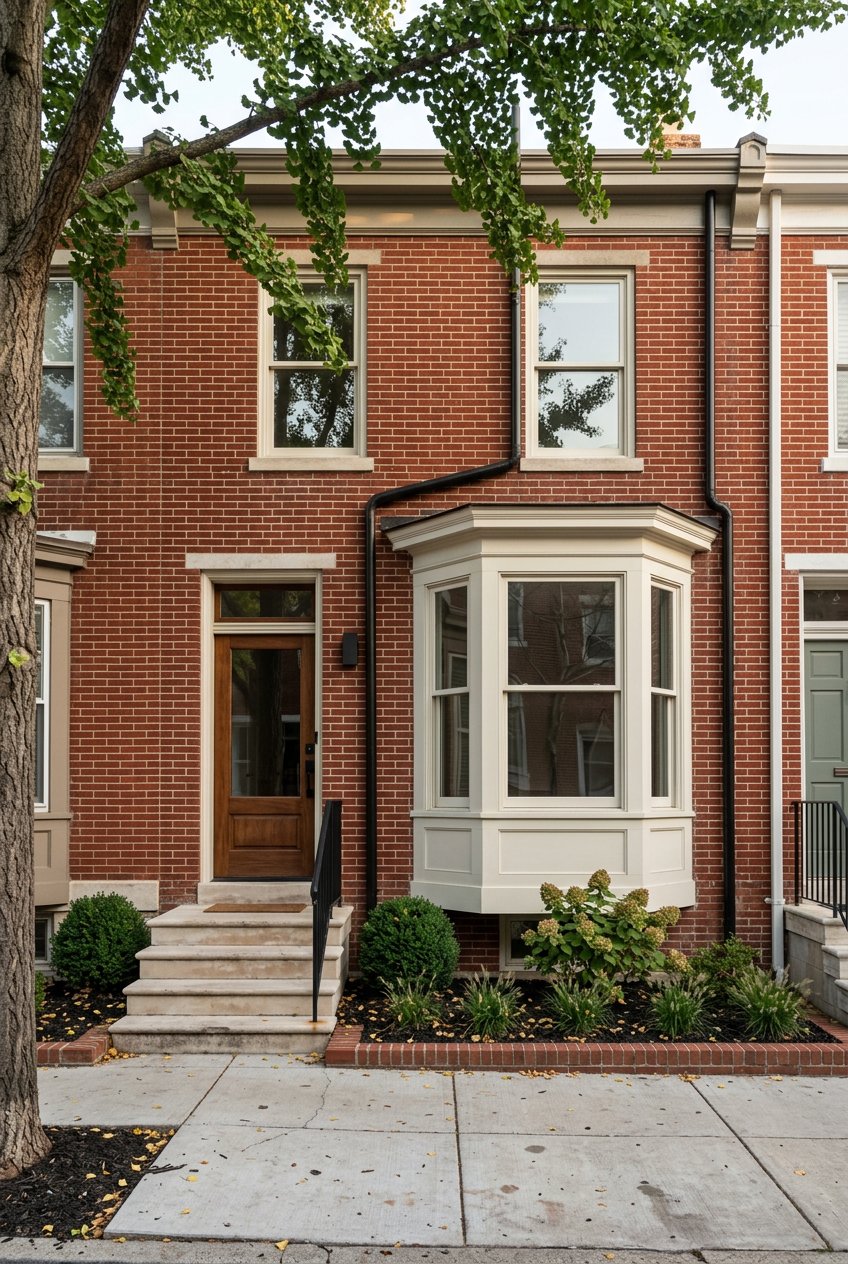
Bloomingdale is a compact, primarily residential historic district north of Florida Avenue and west of North Capitol Street. It is known for intact late‑19th and early‑20th‑century brick rowhouses and a small commercial node around Rhode Island Avenue and First Street. Exterior changes in the district follow local design guidelines and review. Get the official historic context and rules in the city’s guidelines. (Bloomingdale Historic District Guidelines)
Buying your first home often starts with matching your budget to your preferred property type.
These medians help set expectations. Your best next step is to focus on active listings in your target property type and price band.
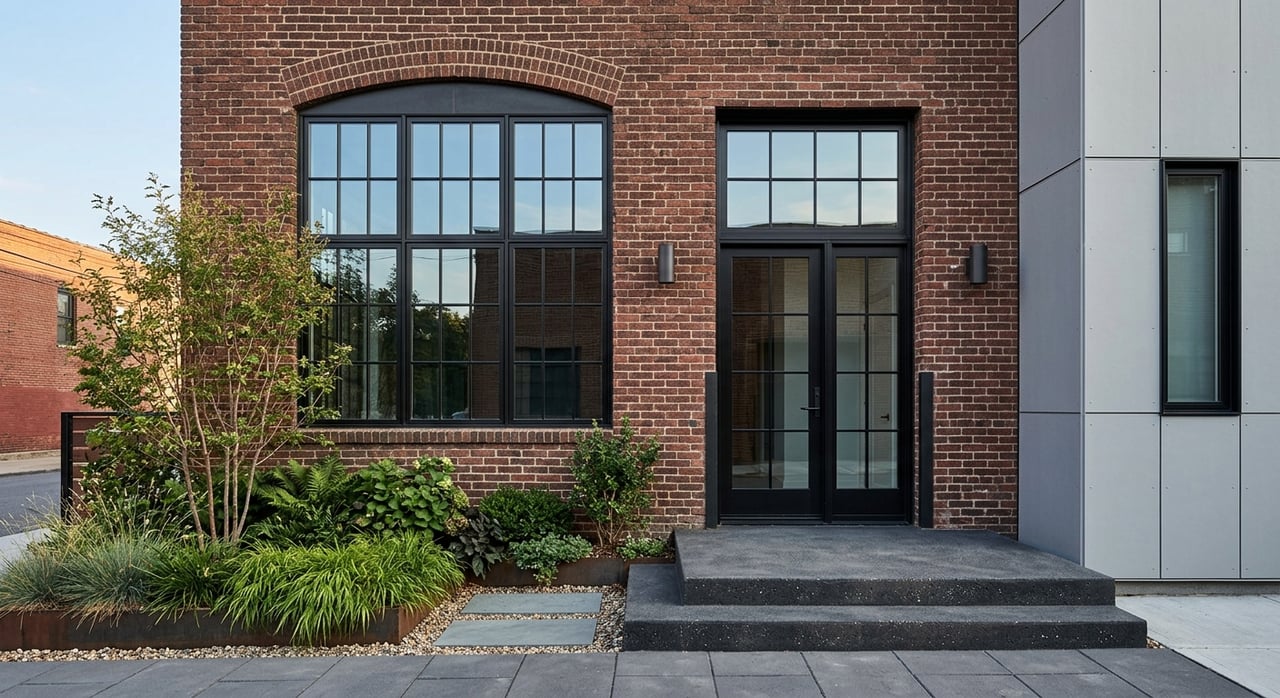
Eckington offers more new‑construction and recent condo options, often with amenities like rooftop decks, fitness rooms, and pet spaces. You will see projects that include garage parking, sometimes sold or rented separately. This inventory can be a good fit if you want a turn‑key home, predictable maintenance, and shared amenities at a generally lower entry price than many whole‑house options nearby.
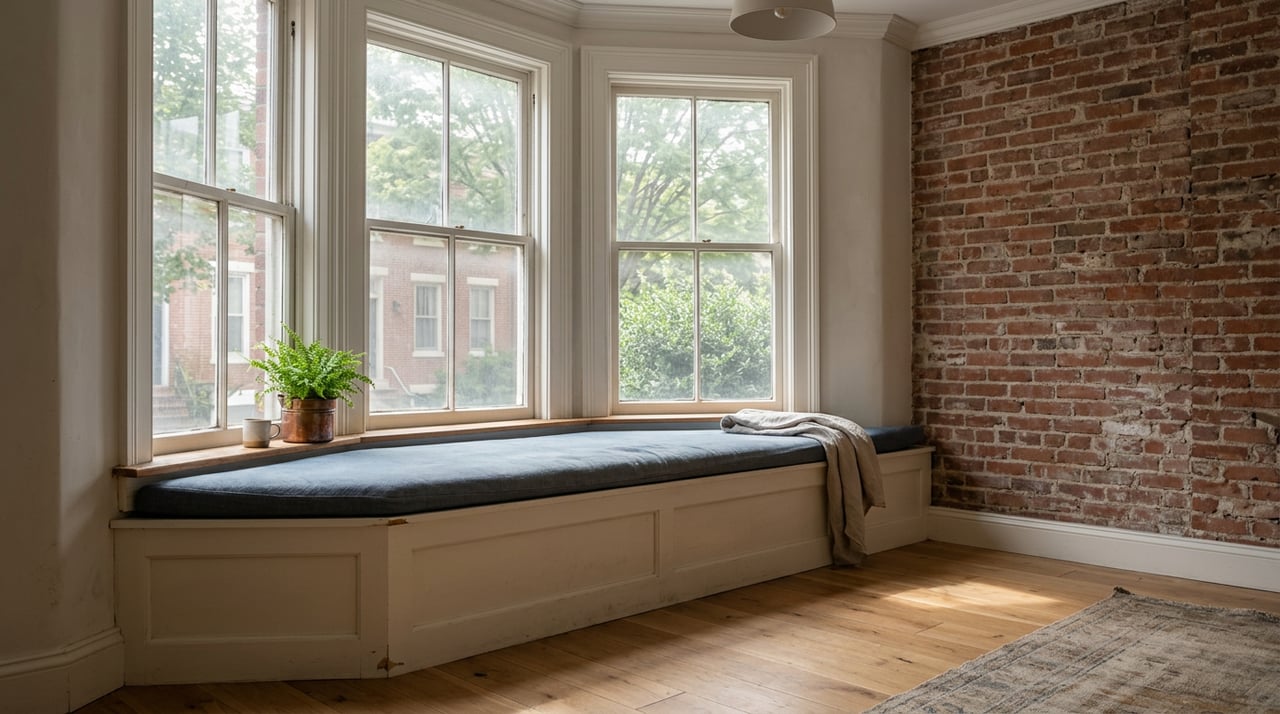
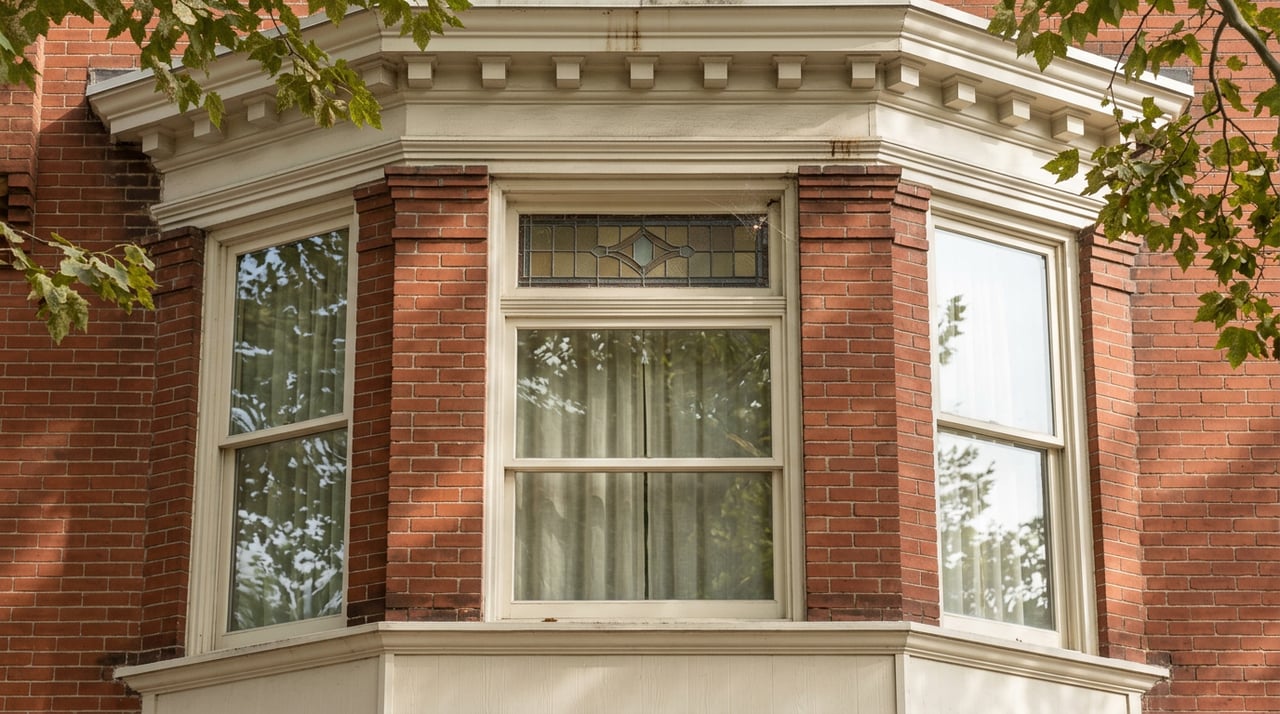
Bloomingdale’s inventory leans toward intact brick rowhouses with classic bay fronts and porch fronts, plus some boutique condo conversions. As a historic district, exterior alterations and many infill projects require review under established guidelines. That helps preserve the look and feel of the blocks, and it may add steps and timelines if you plan exterior renovations. You can find renovated homes at higher price points and opportunities for value in homes that need updates. Review what is typically allowed before you budget for changes. (Bloomingdale Historic District Guidelines)
The Metropolitan Branch Trail runs through the NoMa to Eckington corridor and links Union Station north toward Brookland and Fort Totten, with ongoing extensions improving continuity. If you bike to work or value a protected multi‑use path, Eckington’s direct access to the MBT is a clear plus. (DDOT MBT extension update)
Both neighborhoods are walkable at the block level. Eckington benefits from proximity to NoMa’s Red Line station and mixed‑use retail, while Bloomingdale offers short walks to its small commercial node and nearby corridors. For a realistic comparison, test your door‑to‑door commute and errands from a specific address using a trip planner and a weekday rush‑hour dry run.
Eckington enjoys quick access to Alethia Tanner Park, a 2.5‑acre public space with a playground, dog park, flexible lawn, and events programming. The park connects directly to the MBT for easy biking and jogging. NoMa’s growth brings a range of retail and entertainment, including the Union Market district and venues that create an active evening and weekend scene. Browse park details and programming via the NoMa BID. (Alethia Tanner Park overview)
Nearby anchors like food halls, a cinema, and fitness concepts add variety within a short walk or bike ride. The Washingtonian location guide offers a helpful snapshot of the Bloomingdale–Eckington corridor’s restaurant and entertainment landscape for context. (Neighborhood snapshot)
Bloomingdale centers on Crispus Attucks Park, a community‑managed green that feels like a neighborhood commons. The commercial node around Rhode Island Avenue and First Street offers established restaurants and cafes, which make for an easy local night out without a major trip. Learn more about the neighborhood’s layout and park from this overview. (Bloomingdale overview)
What this means for you: if you want a bigger park with programmed events, major trail access, and a short walk to a broader retail hub, Eckington/NoMa likely fits your weekend style. If you prefer a smaller‑scale green space and a compact restaurant cluster woven into historic streets, Bloomingdale may feel just right.
Bloomingdale’s historic‑district status preserves streetscape character and guides exterior work. Expect design review for many exterior changes, from window replacements to new additions, and plan ahead if you are weighing a renovation. Starting with the city’s published guidelines will help you scope what is typical. (Historic district guidelines)
Eckington sits next to active redevelopment in NoMa and Union Market. That environment tends to deliver more new‑construction condos and ground‑floor retail over time. It can also mean you see ongoing construction and evolving streetscapes. The DC Office of Planning’s Bloomingdale–Eckington plan documents recent and pipeline activity. (Community plan)
Use these quick checks to pick a direction in a single weekend.
When you are ready to compare active listings, tour blocks, and fine‑tune your strategy, reach out for an easy, education‑first consult. You will get a clear plan, lender introductions, and a neighborhood tour that matches your budget and goals. Schedule a conversation with Tamara Miller to get started.
Stay up to date on the latest real estate trends.

Whether you want to buy, sell, or invest in real estate, you need a winning strategy.
1313 14TH ST NW WASHINGTON DC 20005