How Accessory Suites Shape Buying In Bloomingdale
April 2, 2026
April 2, 2026
Wondering why one Bloomingdale rowhouse feels like a smarter buy than another, even when the price tags look similar? In this neighborhood, accessory suites can shift the math in a big way. If you are buying for flexibility, future rental potential, or multigenerational living, understanding how these spaces fit Bloomingdale’s housing fabric can help you make a more confident decision. Let’s dive in.
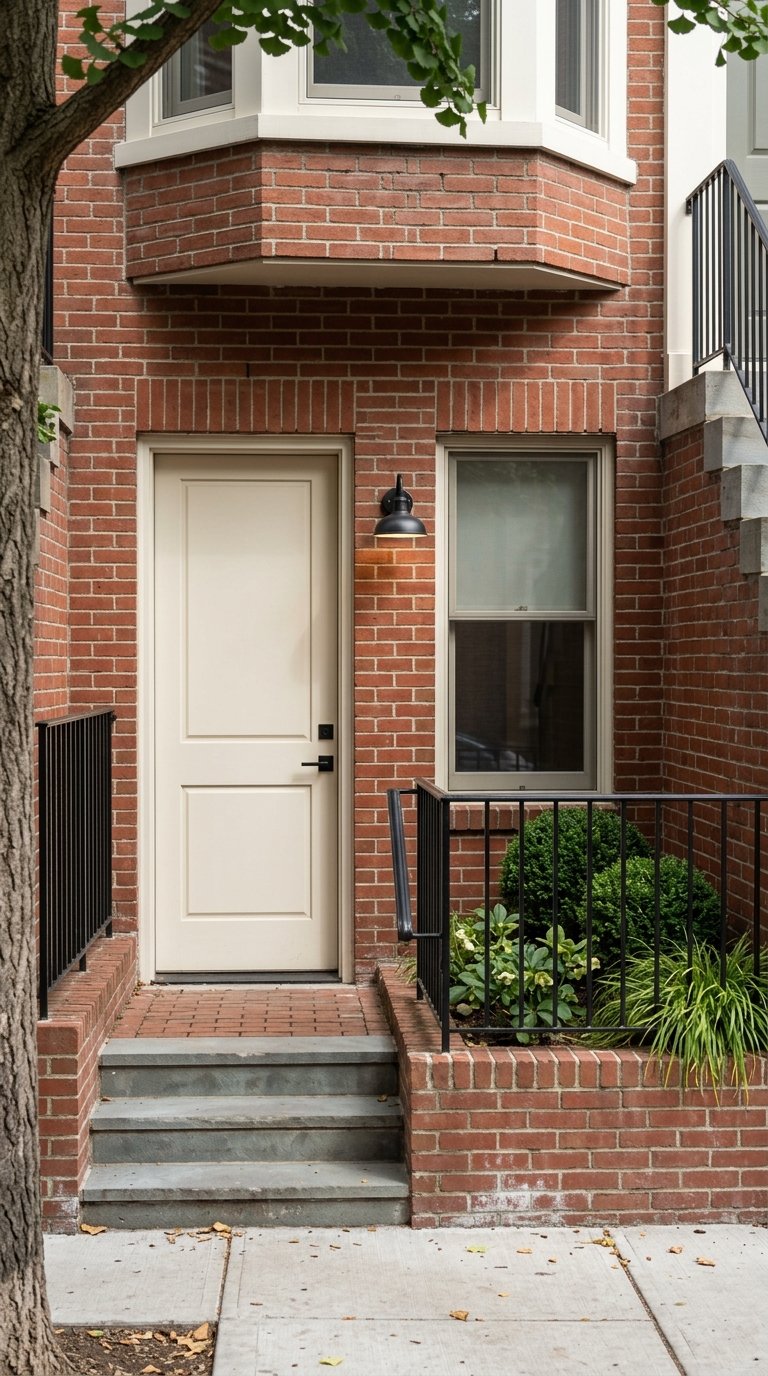
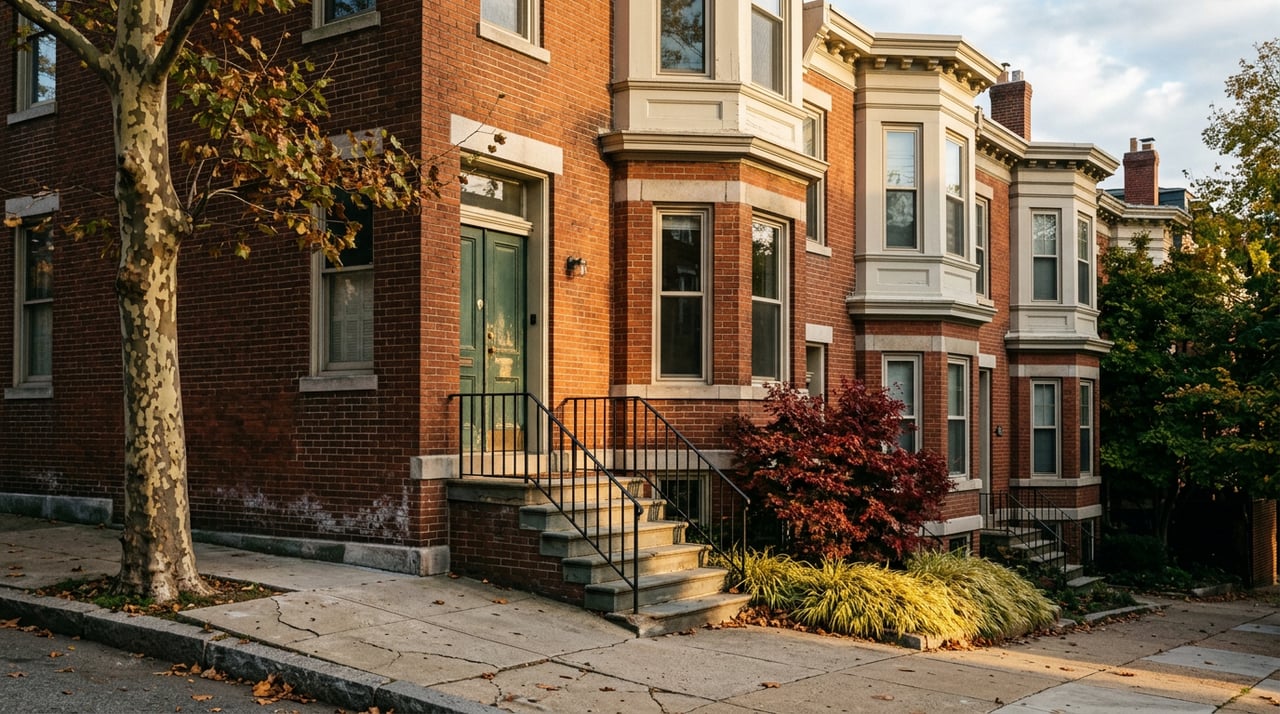
Bloomingdale is not a neighborhood where accessory suites feel like a random add-on. According to the Bloomingdale Historic District nomination, more than 95% of the district’s primary resources are rowhouses, rowhouse flats, or duplexes. That rowhouse-heavy layout makes basements, rear-yard space, and alley-facing structures especially important when you evaluate how a home lives day to day.
The city’s Mid-City Area Element also recognizes a housing mix that includes both ownership and renting, and it specifically references English basements as separate dwelling units. In practical terms, that means accessory suites fit a long-standing pattern in this part of DC rather than reading as something unusual.
For buyers, that matters because a lower level or rear unit may not just be extra square footage. It can shape how you use the home, how much flexibility you have later, and how attractive the property may feel at resale.
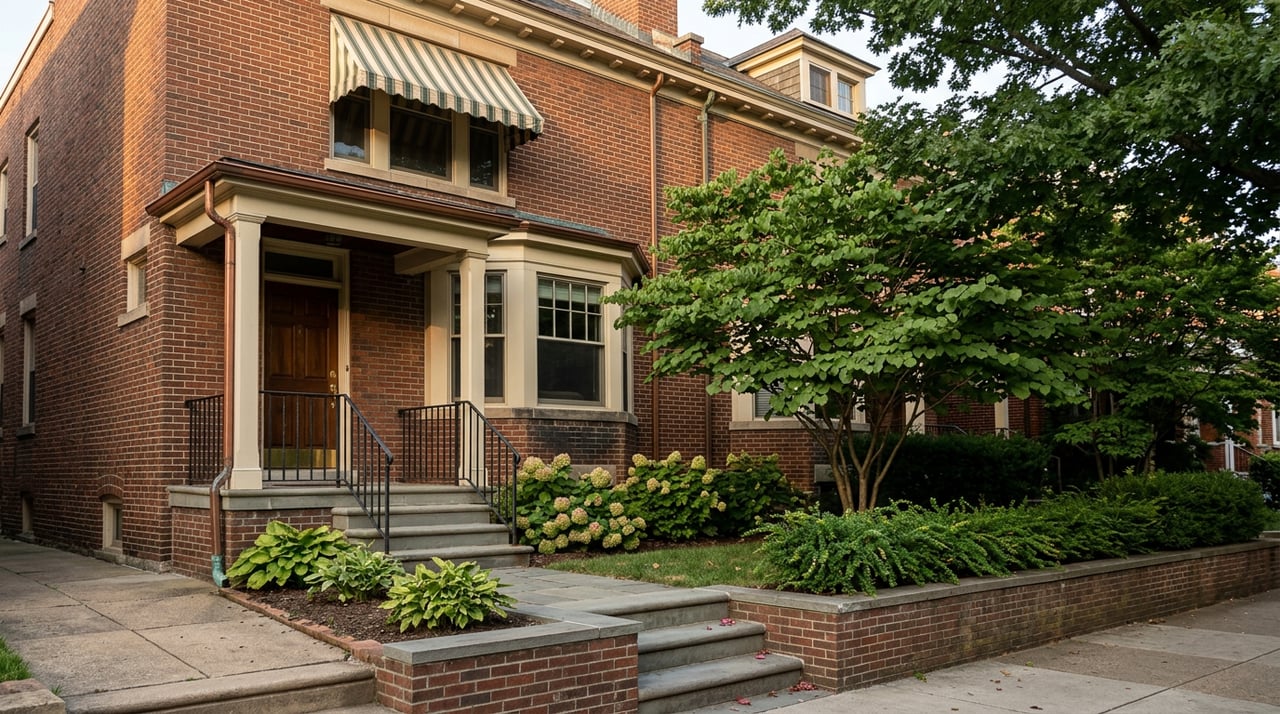
In DC, an accessory suite is not simply a finished basement with a couch and mini fridge. The city says parts of an existing home, such as an English basement, can be converted into a rental unit, but the space must meet specific rules first. The DC Front Door guide explains that these units are typically in the basement or backyard and must include a separate entrance plus permanent rooms and appliances for living, sleeping, eating, cooking, and sanitation.
The Department of Buildings accessory apartment guide adds more detail. It defines an accessory apartment as secondary to the main home, with separate kitchen and bath facilities, and says one accessory apartment is allowed per lot. It also states that either the main dwelling or the accessory apartment must be owner-occupied.
That distinction is important when you shop. A listing may describe a space as an in-law suite, English basement, or lower-level apartment, but your real question is whether it is set up and documented for the use you want.
For many owner-occupants, the appeal starts with flexibility. In a rowhouse neighborhood like Bloomingdale, a lower-level suite can give you room for guests, caregiving, private work space, or a more separated living setup while staying within the home’s existing footprint. That is an inference supported by the neighborhood’s rowhouse form, alley access, and rear-addition guidance in the historic district materials.
For other buyers, the draw is financial. The DC Front Door resource notes that rental income can help offset household costs such as property taxes. When you are stretching to buy in a close-in DC neighborhood, a legal rental suite can change how affordable a property feels over time.
This does not mean every basement automatically improves the numbers. It means buyers often look at the same house differently when a suite is legal, functional, and well documented.
This is where Bloomingdale buyers need to slow down and ask better questions. A separate entrance and kitchenette may look promising, but appearance alone does not confirm legal rental use. The city is clear that zoning, permits, and licensing all matter.
Per the Department of Buildings guide, if the unit is rented, the owner must obtain a Basic Business License and pass an inspection. The same guide says DOB does not issue a Certificate of Occupancy for accessory apartments. DOB also notes that the unit may not house more than three people.
That means your due diligence should focus on more than finishes. You want to understand whether the space was lawfully created, whether the current use matches city rules, and whether the paperwork supports the value you are assigning to it.
Bloomingdale’s historic status adds another layer, but it does not automatically block accessory-suite potential. The Bloomingdale Historic District guidelines explain that exterior alterations, new construction, demolition, and subdivisions requiring a building permit are subject to design review.
The same guidelines also offer useful direction for buyers. They say the neighborhood’s character comes primarily from street-fronting facades, while rear elevations are more utilitarian and have often changed over time. They also state that adding to the rear of a rowhouse is typically the best way to add space without affecting the streetscape.
In plain English, lower-profile changes tend to fit Bloomingdale better than highly visible ones. Buyers may respond more positively to a code-compliant basement or rear-unit improvement than to an addition that disrupts the original balance of the rowhouse.
In Bloomingdale, this part is especially important. The neighborhood has a well-documented history of stormwater issues and basement backups. DC Water says the First Street Tunnel is operating as overflow storage during heavy rains, but flooding can still occur in very heavy storms, and homeowners should consider flood insurance.
If you are buying a below-grade suite with plans to live in it, host family there, or rent it out, flood risk cannot be an afterthought. DC Water also explains that backwater valves can help prevent wastewater from entering a building during sewer surcharges. For some homes, that kind of protection may be part of what makes a basement strategy more realistic.
You may also want to ask whether the property could qualify for the DC Water Floodproofing Rebate Program, which offers up to $3,000 for approved mitigation measures for eligible Bloomingdale and LeDroit Park properties. That will not replace a full inspection, but it is useful context when you evaluate future improvement costs.
If an accessory suite is part of your buying strategy, use a practical checklist. It can help you separate true opportunity from expensive guesswork.
Are you hoping for guest space, a private home office, multigenerational living, or rental income? Your answer affects what level of legality, privacy, and infrastructure you need. A nice lower level may work well for personal use even if it is not set up for lawful rental use.
The DC Front Door guide makes clear that zoning review comes first. You should also ask what permits were obtained for any conversion work and whether the owner has, or previously had, the required rental licensing if the space has been leased.
The DOB accessory apartment guide says habitable spaces need at least 7 feet of ceiling height, with a limited exception down to 6 feet 8 inches. Ceiling height, proper kitchen and bath setup, and overall condition all affect whether the space will support your plans.
In Bloomingdale, this is essential for any below-grade unit. Look closely at signs of moisture, ask about past water intrusion, and review any flood-mitigation measures already installed. A basement that looks polished on showing day may still require serious work behind the walls or under the slab.
The strongest suites usually feel integrated with the home, not forced into it. Thoughtful rear or basement improvements that respect the historic fabric are often easier for future buyers to understand and value.
The most compelling accessory suites in Bloomingdale are usually the ones that do not try too hard to announce themselves. They work because they are legal, dry, functional, and consistent with the structure of the house and the character of the block.
That fits what the planning and preservation documents suggest. The Mid-City plan warns that some rowhouse subdivisions and top-story additions can disrupt architectural balance, while Bloomingdale’s historic guidelines give more flexibility to rear and less-visible changes. As a result, buyers may be more comfortable paying for a basement or rear suite that feels well considered than for a highly visible alteration.
If you are shopping in Bloomingdale, accessory suites can absolutely shape what counts as the right home. They can expand how you live, create future options, and in some cases improve the monthly ownership picture. But the value is strongest when the space is supported by zoning, documentation, habitability, and flood-aware planning.
That is why buying here takes more than spotting a trendy lower-level renovation online. You want to understand the difference between extra space and truly usable space. If you want help thinking through that tradeoff in Bloomingdale, Tamara Miller can help you evaluate the details with a clear, practical strategy.
Stay up to date on the latest real estate trends.


Waterfront MD

Whether you want to buy, sell, or invest in real estate, you need a winning strategy.
1313 14TH ST NW WASHINGTON DC 20005