Petworth Rowhouse vs Condo: Lifestyle Buyer Guide
December 4, 2025
December 4, 2025
Choosing between a classic Petworth rowhouse and a low‑maintenance condo can shape your daily life, budget, and commute. If you are a first‑time buyer, the options can feel exciting and overwhelming at the same time. This guide breaks down what matters most in Petworth: space, outdoor living, monthly costs, maintenance, transit, financing, and what to check during tours. Let’s dive in.
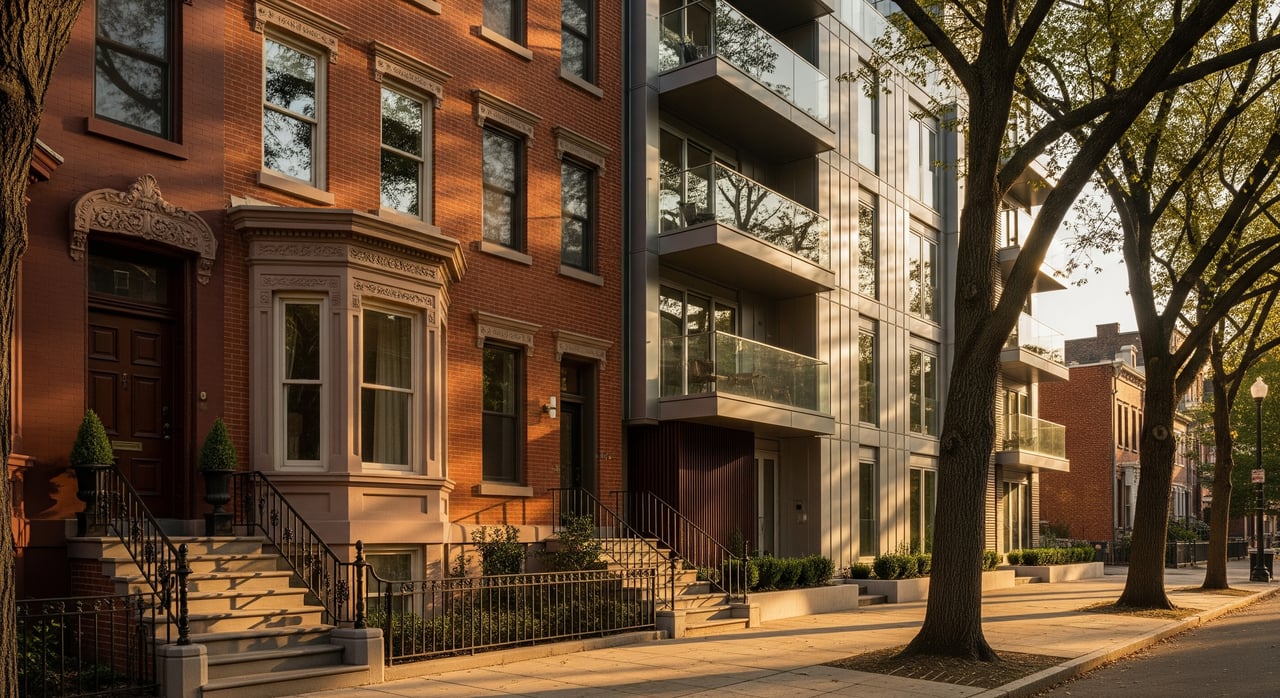
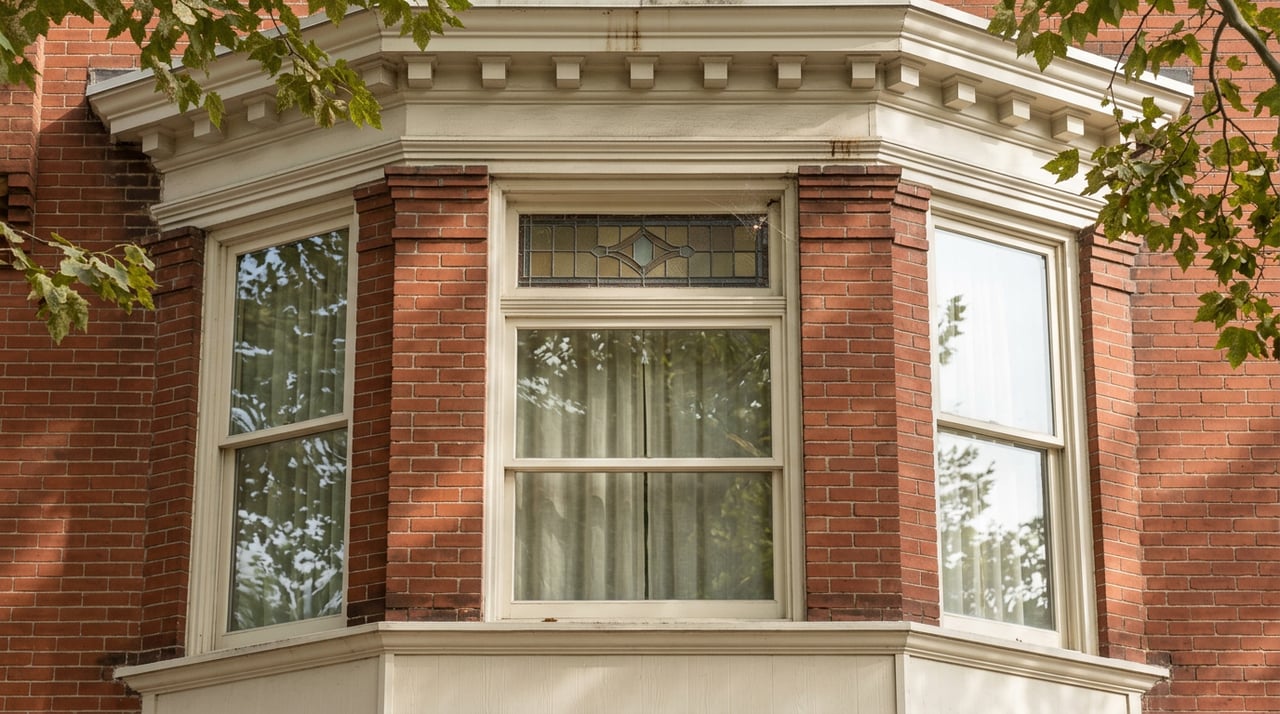
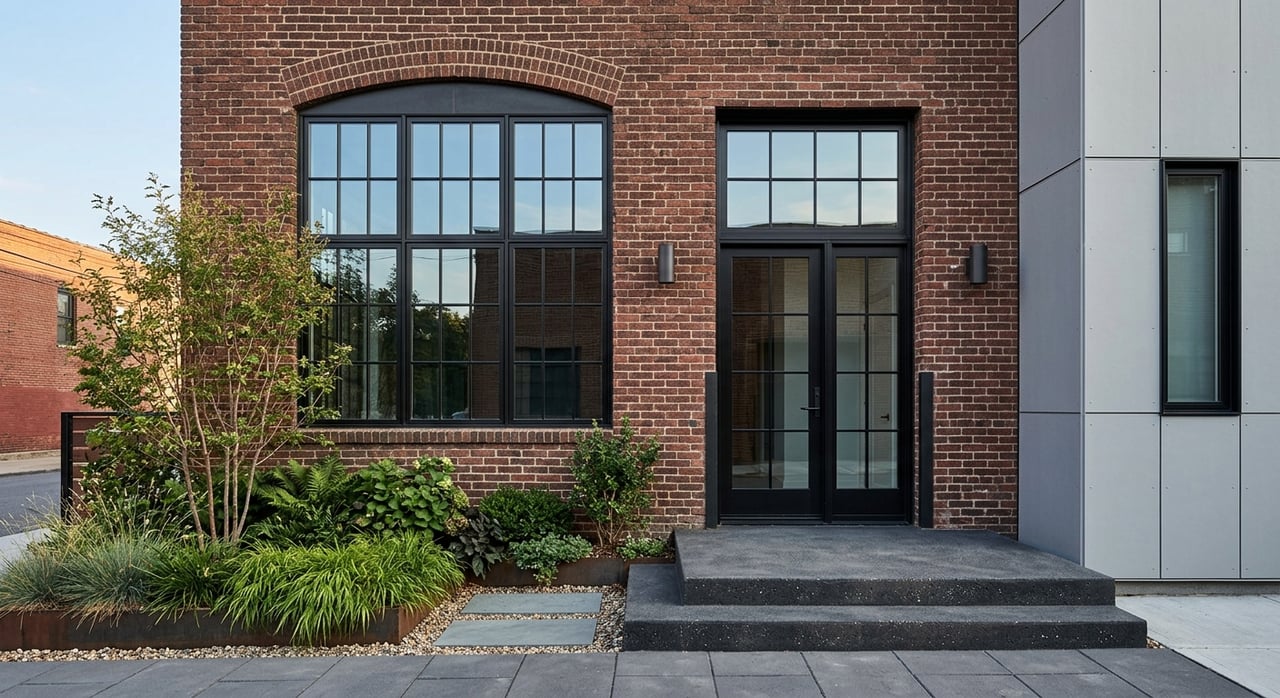
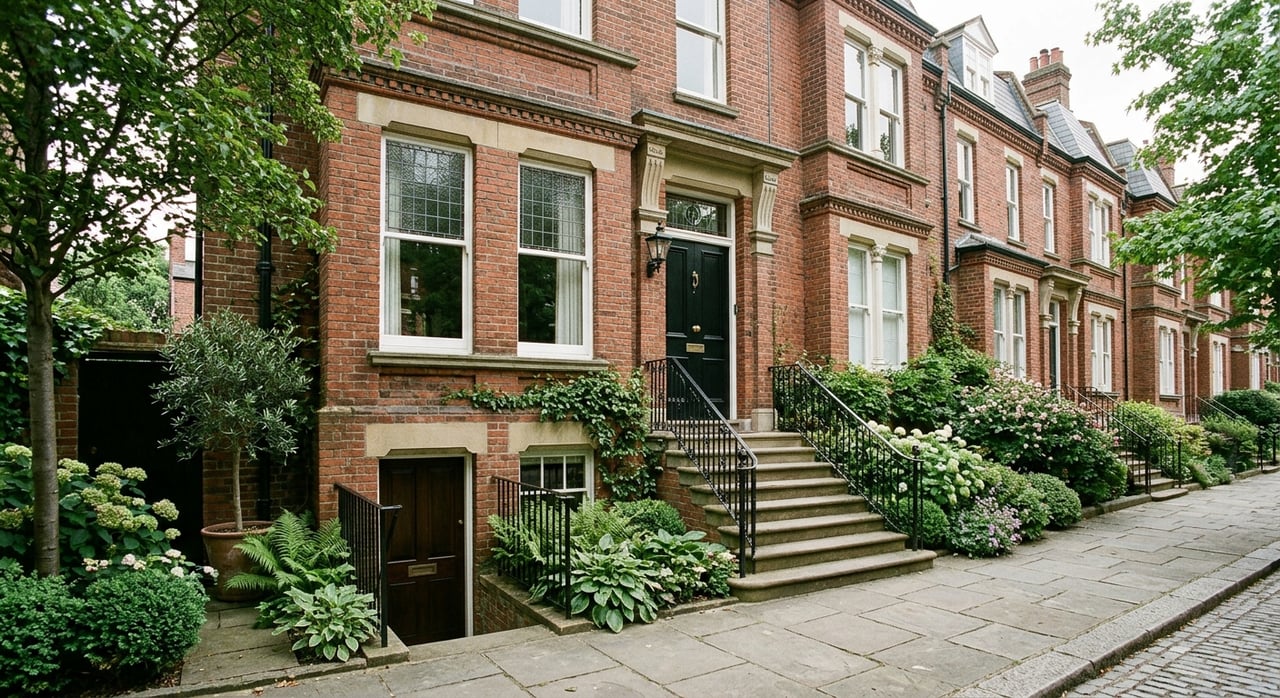
Petworth is known for tree‑lined streets, brick rowhouses, and a growing mix of condo conversions and small condo buildings. Many homes sit on walkable blocks near Georgia Avenue, the Georgia Ave–Petworth Metro station, and neighborhood restaurants and retail. This mix means you can choose between fee‑simple rowhouses with yards or condos that trade space for convenience.
Understanding ownership is step one. With a rowhouse, you typically own the land and the structure. With a condo, you own your unit plus an undivided interest in the common elements, and you pay monthly association fees.
Here is how monthly costs usually stack up:
In the DC area, condo fees often run from a few hundred to several hundred dollars per month. The exact number varies by building age, amenities, and whether utilities are included. Always ask what the fee covers so you can compare true monthly costs across properties.
Think about how hands‑on you want to be. Rowhouses put you in charge of interior and exterior maintenance. You decide the timing, the contractor, and the materials. The tradeoff is the risk of larger, less predictable expenses.
Condo associations handle the building exterior and common elements. You contribute through monthly fees and, in some cases, special assessments. This can make costs feel more predictable, but you have less control over timing and the scope of major projects. Reviewing the association’s reserve study and budget is essential to understand future risk.
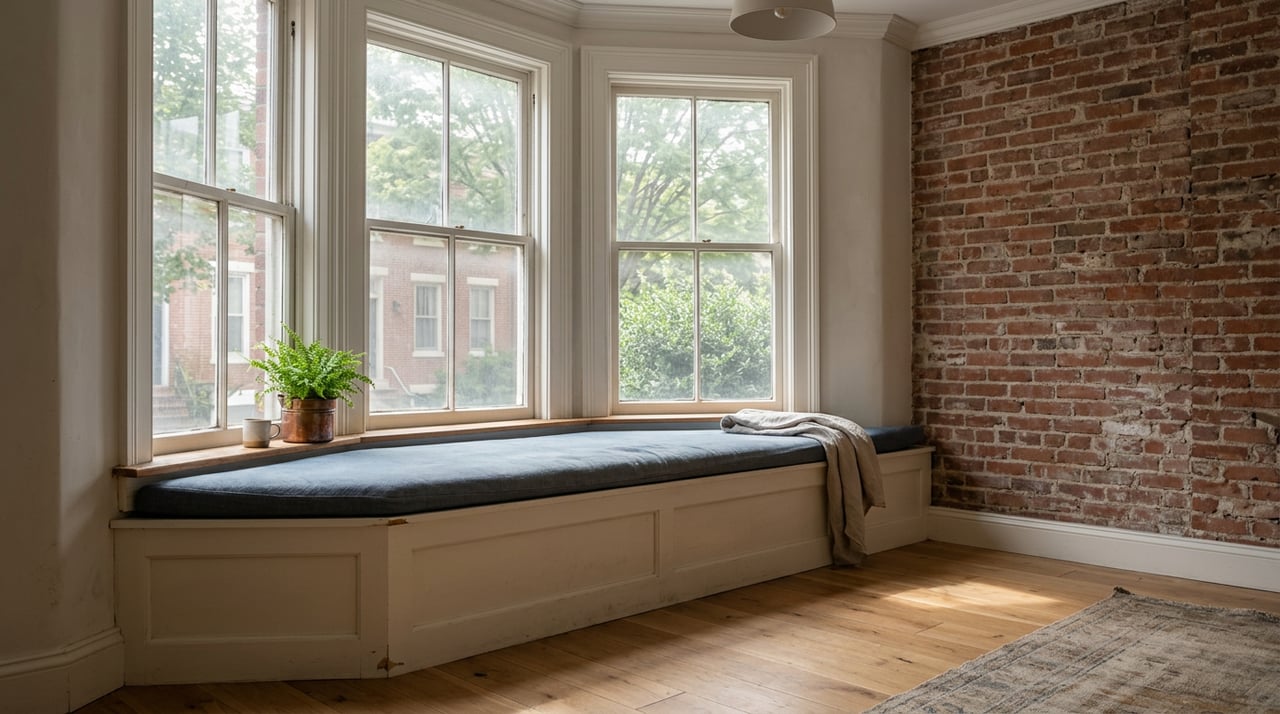
Rowhouses typically offer more total square footage, multiple levels, and basements that can support guest rooms, storage, or a home office. Many include a front porch or rear yard that adds privacy and flexible living space.
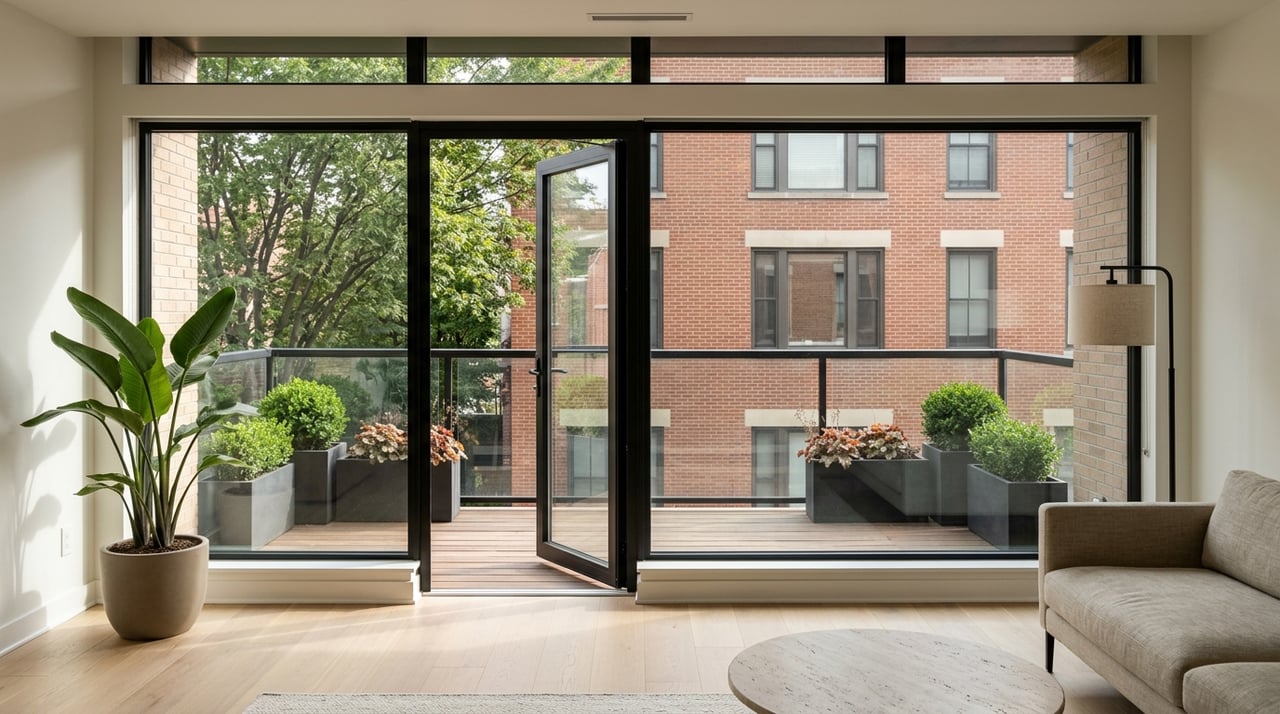
Condos range from studios to multi‑bedroom units. Smaller buildings and conversions in Petworth often offer efficient layouts with less maintenance. Some buildings add value with shared amenities like roof decks or courtyards. Expect closer proximity to neighbors and a different level of sound transfer compared to fee‑simple living.
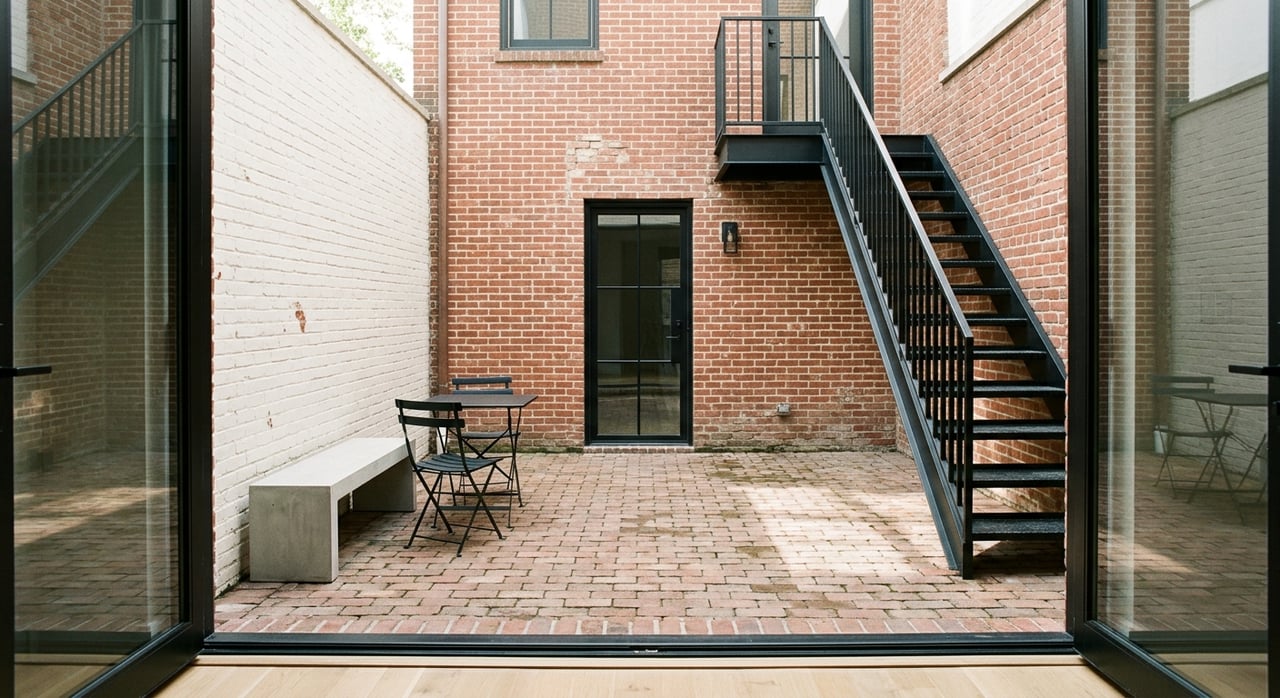
If private outdoor space is a must, rowhouses usually win. A fenced yard, front stoop, and alley access make it easier to garden, store bikes or gear, and come and go with pets. Buyers with large dogs or multiple pets often prioritize fee‑simple homes for this reason.
Condo pet policies vary by association. Some allow pets freely, while others have size, breed, or quantity limits, and some may add fees. Outdoor access is usually shared, such as a roof deck or courtyard. If a pet‑friendly lifestyle is important, confirm the rules early and look for ground‑floor units with dedicated outdoor areas.
Petworth shines for transit and everyday errands. The Georgia Ave–Petworth Metro station on the Green and Yellow lines is the neighborhood’s main rail hub. Multiple Metrobus routes run along Georgia Avenue and nearby corridors. Biking infrastructure and Capital Bikeshare stations are present in parts of the neighborhood and adjacent areas.
Rowhouses on or near busy corridors can bring more street activity and noise but put you closer to shops and transit. Condos clustered near Metro or mixed‑use nodes may offer an easier commute if you rely on public transit. Decide whether a quieter residential street or a shorter walk to transit matters more to your daily routine.
Petworth has stretches of on‑street parking regulated by DC’s Residential Permit Parking program. Many older rowhouses do not have off‑street parking, though some include garages, driveways, or alley parking. Condos may offer deeded or assigned parking spaces and locker storage, sometimes sold separately from the unit.
Ask the right questions during tours:
Financing can look different for condos. Lenders and insurers evaluate the unit and the association’s health. They may review reserves, any litigation, owner‑occupancy ratios, and delinquency rates. If you plan to use FHA or VA financing, confirm whether the building appears on the relevant approved list.
Closing on a condo includes document review. You or your advisor will want to read the bylaws, covenants, budget, reserve study, meeting minutes, and any disclosures about pending assessments. For a rowhouse, focus due diligence on building systems, permits, and structural condition.
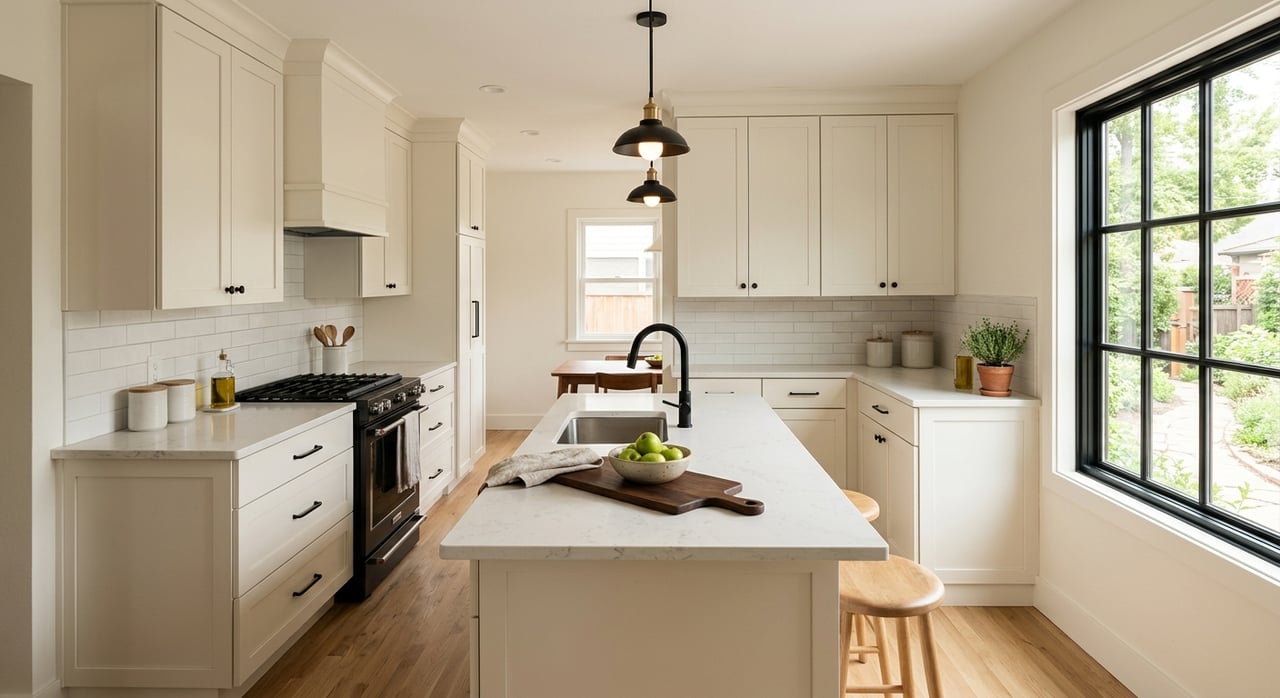
Classic Petworth rowhouses have broad appeal in the DC market, especially when updated with modern kitchens, finished basements, and usable outdoor space. They also offer more room for expansion, such as rear additions or roof decks, subject to permits and any historic or zoning constraints.
For condos, future value depends on building condition, association health, layout, and proximity to transit and neighborhood amenities. Strong HOA governance, healthy reserves, and well‑maintained common areas tend to support resale.
Use these decision filters to narrow your search fast:
If you want tailored guidance on Petworth’s micro‑markets and a clear plan from financing through closing, reach out to schedule a friendly, no‑pressure consult with Tamara Miller. You will get education‑first support, local insight, and a concierge‑style experience designed for first‑time buyers.
Stay up to date on the latest real estate trends.

Whether you want to buy, sell, or invest in real estate, you need a winning strategy.
1313 14TH ST NW WASHINGTON DC 20005