Staring at a Logan Circle listing with an $800 monthly condo fee and wondering what you actually get for it? You are not alone. Fees in this DC neighborhood vary a lot by building type, age, and amenities, which can make it hard to compare options. This guide breaks down what condo fees typically cover in Logan Circle, how to evaluate value vs. cost, and the documents and red flags to review before you buy. Let’s dive in.
What Logan Circle condo fees cover
Condo or HOA fees fund the shared costs of operating and maintaining your building. What is included depends on the building’s systems, staffing, and bylaws.
What is covered varies by building. Full-service buildings usually bundle more services. Older buildings may need higher reserve contributions. If utilities are master-metered, you will likely see them included in the fee.
How amenities change your fee
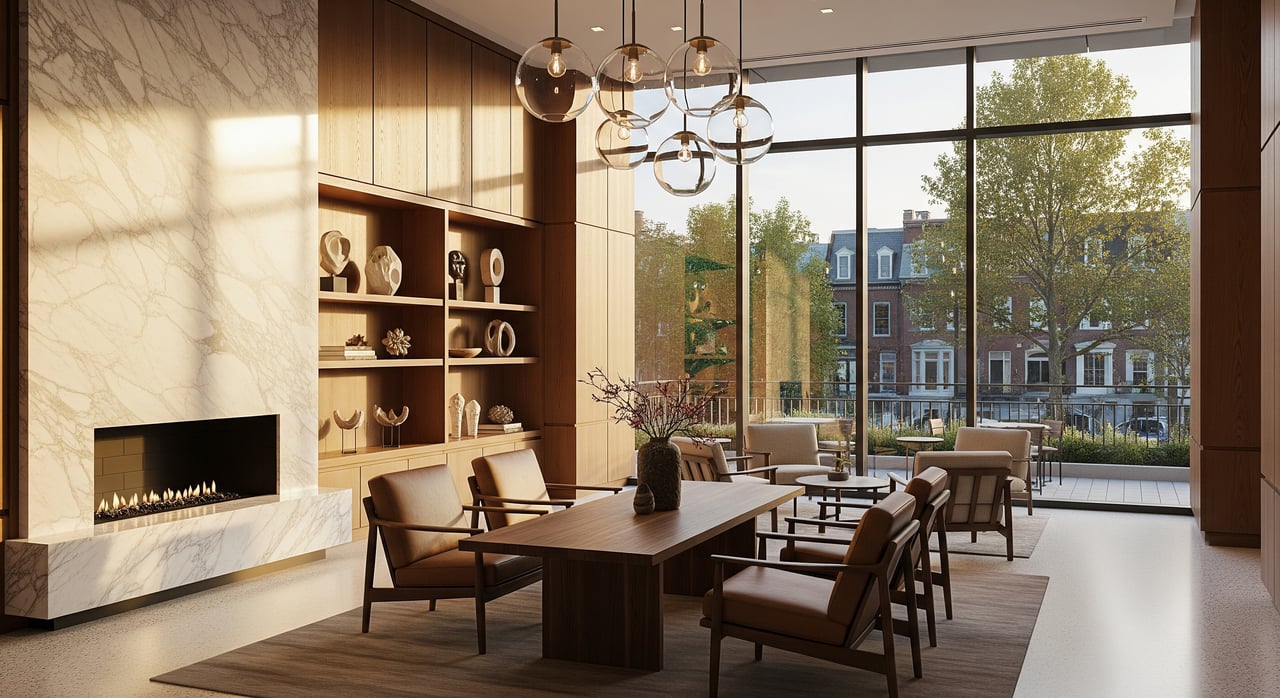
Amenities are great, but they are not free to run. In Logan Circle, full-service, high-amenity buildings often carry higher monthly fees because of:
- Staffing and concierge coverage
- Multiple elevators and complex mechanical systems
- Insurance and security needs
- Larger common areas and premium finishes
- Parking garages and specialty amenities like pools
If you will use a gym, roof deck, or concierge often, the added cost can be worth it. If not, a boutique building with fewer amenities may offer better value.
Typical fee ranges in Logan Circle
Actual fees vary by building and unit size. The ranges below reflect common patterns seen in central DC neighborhoods with a similar mix of buildings. Always verify with each association’s budget and reserve study.
Luxury high-rise, full service
- Typically concierge, 24-7 staff, elevators, rooftop amenities, gym, and garage parking.
- Illustrative range: about $600 to $1,200+ per month for many two-bedroom units. On a per square foot basis, often about $0.80 to $2.00+ per month.
- Example: 1,000 sq ft at $1.20 per sq ft equals $1,200 per month.
Mid-rise or boutique condominiums
- Fewer amenities and limited staff. Often newer systems and smaller shared spaces.
- Illustrative range: about $350 to $700 per month. On a per square foot basis, roughly $0.50 to $1.00 per month.
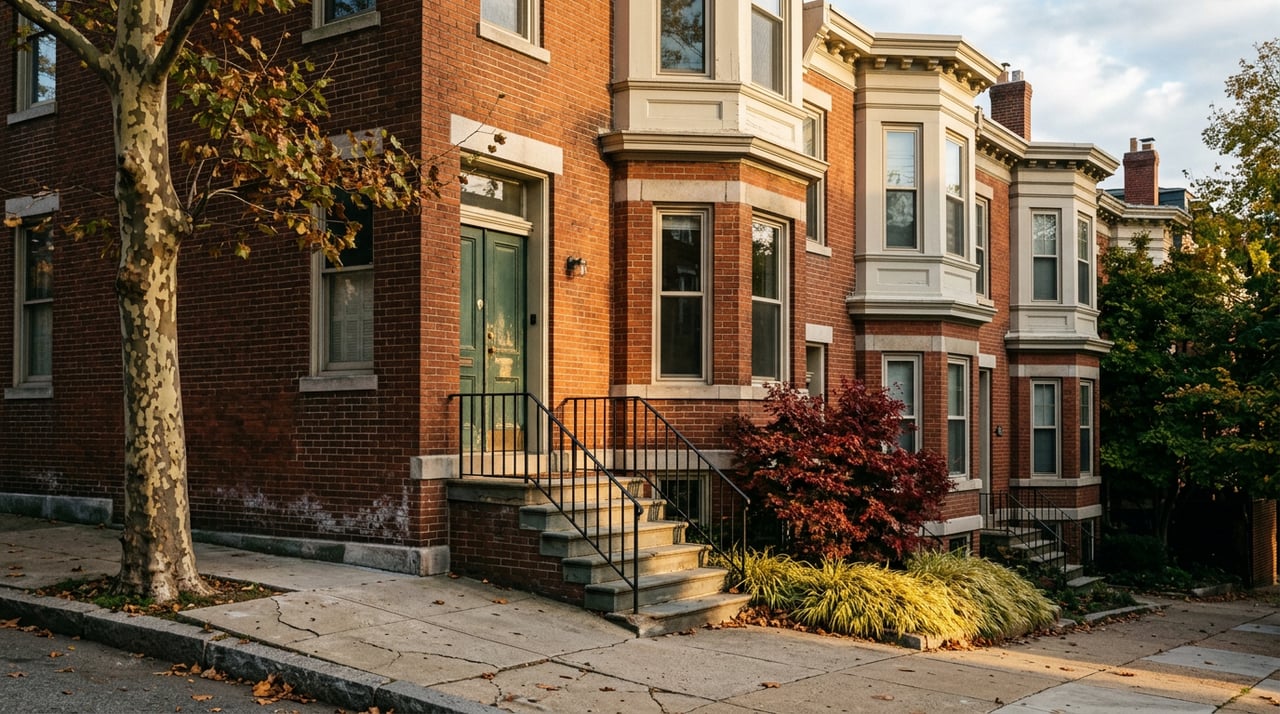
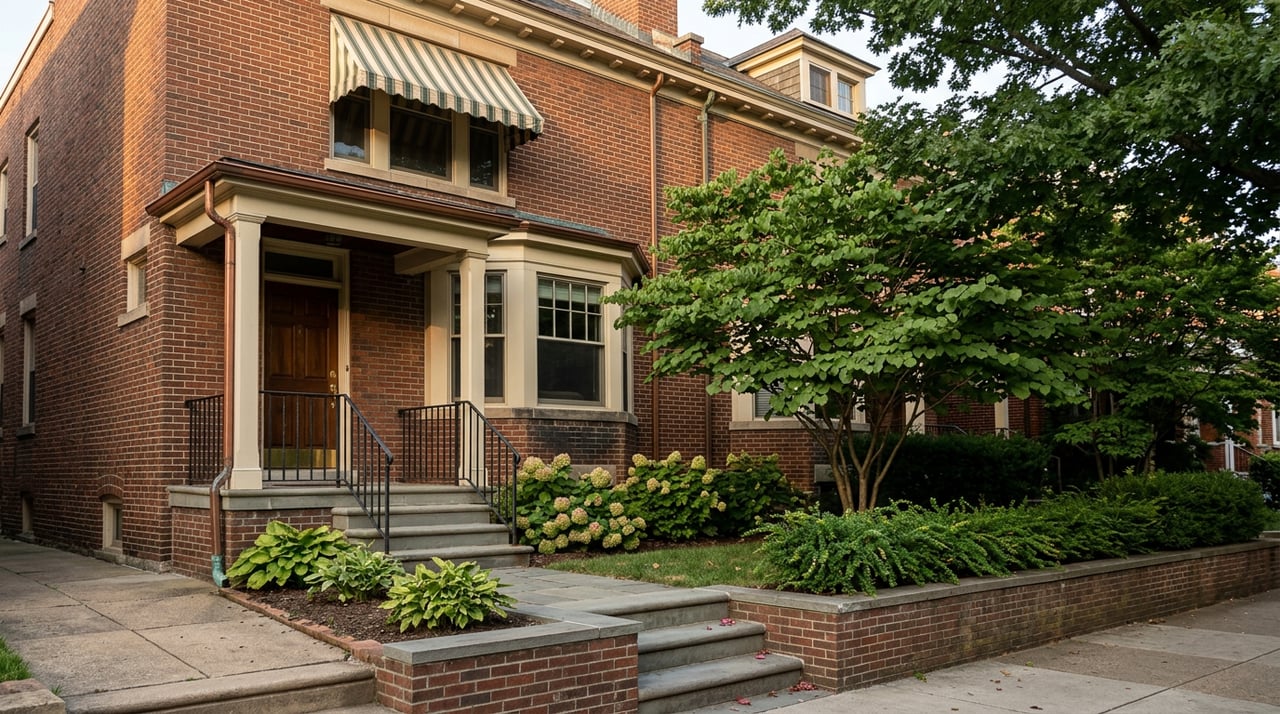
Historic rowhouse conversions or small associations
- Limited common areas, often no elevator or doorman. Shared systems that may be older.
- Illustrative range: about $150 to $450 per month. On a per square foot basis, often $0.25 to $0.75 per month.
- Caveat: Low monthly dues can come with higher risk of special assessments if reserves are underfunded.
Buildings with master utilities included
- Fees that include heat, hot water, and sometimes electricity.
- Expect an additional $100 to $400 per month compared to a similar building without included utilities.
Quick math: compare apples to apples
To compare buildings fairly, normalize the fee.
- Convert each fee to dollars per square foot. Example: $700 per month divided by 900 sq ft equals $0.78 per sq ft monthly.
- Adjust for utilities and parking. If a building includes heat and hot water, your separate utility bills may be lower, which offsets a higher fee.
- Note ownership share or percentage used to allocate costs. Larger units often pay more because they own a larger share of the building.
Illustrative examples to help you compare. Confirm with the actual HOA.
600 sq ft studio
- Boutique: $300 to $600 per month
- Luxury high-rise: $480 to $1,200 per month
- Small association: $150 to $450 per month
- If utilities are included, add about $100 to $400 per month
900 sq ft one-bedroom
- Boutique: $450 to $900 per month
- Luxury high-rise: $720 to $1,800 per month
- Small association: $225 to $675 per month
- If utilities are included, add about $100 to $400 per month
1,400 sq ft two-bedroom
- Boutique: $700 to $1,400 per month
- Luxury high-rise: $1,120 to $2,800 per month
- Small association: $350 to $1,050 per month
- If utilities are included, add about $100 to $400 per month
What to look for in budgets and reserves
Ask for key financial documents for every building you are considering, then read them closely.
Essential documents to request
- Current fiscal-year operating budget and recent actuals
- Most recent reserve study and funding plan
- Last 12 to 24 months of financial statements and bank statements
- Board meeting minutes for the last 12 to 24 months
- Insurance declarations and certificate of insurance
- List of current special assessments, planned projects, and outstanding loans
- Owner delinquency report
- Rules, regulations, bylaws, and declaration
How to review the operating budget
- Compare revenue to expenses. Consistent operating deficits are a red flag.
- Look at trending costs like insurance, utilities, and management fees. Are increases explained?
- Check for a reasonable contingency line for unexpected expenses.
- Verify the monthly reserve contribution and compare it to the reserve study recommendation.
How to read the reserve study
- Confirm the list of major components, from roofs and elevators to façades and windows.
- Check remaining useful life and cost estimates. Make note if projections seem outdated.
- Look for funding status. A low percent-funded reserve increases the risk of special assessments.
- Review recent capital work. If big projects were completed, confirm how reserves were replenished and whether a loan or assessment was used.
Red flags to watch
- Low or zero reserve balances given upcoming capital needs
- Repeated special assessments over recent years
- Large or growing operating deficits
- High delinquency rates among owners
- Significant or ongoing litigation in minutes or financials
- Missing or outdated reserve study
- Frequent management company changes or board turnover
- Insurance gaps or unusually high premiums that hint at property risks
Smart questions to ask before you buy
- What exactly is included in the monthly fee? List utilities and services.
- Are there any current or upcoming special assessments or major projects?
- What is the current reserve balance and what percent funded are reserves per the latest study?
- What percentage of owners rent their units and what are the rental or short-term rental rules?
- What is the delinquency rate on dues and how are collections handled?
- Are there any pending lawsuits or code issues?
- What insurance does the association carry and what does your HO-6 need to cover?
Logan Circle specifics to keep in mind
Logan Circle has a diverse building mix. You will find boutique conversions in historic rowhouses, mid-rise buildings, and newer high-amenity developments along and near the 14th Street corridor. That variety produces a wide range of fee structures.
Parking is at a premium in this part of DC. Buildings with on-site parking may charge higher monthly fees, separate parking assessments, or rental fees that support garage maintenance. Clarify whether parking is included, deeded, or separately assessed.
Short-term rentals and investor concentration can influence community dynamics and finances. Review the rules for rentals and short-term platforms and confirm owner-occupancy ratios.
If you are financing, understand that lender approvals can be affected by owner-occupancy rate, the percentage of commercial space in the project, and the financial health of the association. Ask your lender to confirm project eligibility early.
Buyer checklist you can use
Use this quick list to keep your comparison organized. Request these before you make an offer.
- Current operating budget and year-to-date financials
- Most recent reserve study and current reserve account balance
- Board meeting minutes for the last 12 to 24 months
- List of current or planned special assessments and any association loans
- Owner delinquency report and owner-occupancy ratios
- Master insurance declarations and HO-6 guidance
- Rules and bylaws, including rental and short-term rental restrictions
- Title, closing, and transfer fee schedule, if applicable
Value vs. cost: how to make the call
If predictable monthly costs matter most, you may prefer a building with strong reserves or one that includes major utilities. Expect a higher monthly fee but fewer surprises. If you want to minimize the risk of special assessments, prioritize healthy reserve funding, clear budgets, and recently completed capital upgrades.
On the other hand, if you rarely use a gym or concierge, a boutique building could offer the comfort and location you want at a lower monthly cost. Normalizing fees to dollars per square foot and adjusting for included utilities is the cleanest way to compare.
Ready to talk through specific buildings in Logan Circle and see real budgets and reserve studies? Reach out to Tamara Miller for local guidance and a clear, side-by-side comparison.
FAQs
What do Logan Circle condo fees usually include?
- Fees typically fund building insurance for common areas, common utilities like water and sewer, management and staff, cleaning, maintenance, security systems, reserves for capital projects, and sometimes amenities like a gym, pool, or roof deck.
How much are condo fees in Logan Circle for a typical unit?
- Fees vary by building type and size. Boutique buildings often run about $0.50 to $1.00 per sq ft monthly, small associations about $0.25 to $0.75, and high-amenity high-rises about $0.80 to $2.00 or more. Verify each building’s budget.
Do Logan Circle condo fees include utilities?
- Some do. If a building is master-metered for heat, hot water, or electricity, those utilities may be included. Expect roughly $100 to $400 more per month compared with similar buildings that do not include utilities.
What is a reserve study and why does it matter for buyers?
- A reserve study outlines the life expectancy and replacement costs for major building components and recommends annual reserve contributions. Strong reserve funding lowers the risk of special assessments.
How can I compare fees across different Logan Circle buildings?
- Convert each fee to dollars per square foot, note what utilities and services are included, and review reserve funding and upcoming projects. This normalizes costs and helps you gauge value.
Can a building’s finances affect my mortgage approval?
- Yes. Lenders may review owner-occupancy levels, commercial space, reserves, delinquencies, and litigation to determine project eligibility. Check project approvals with your lender early in the process.