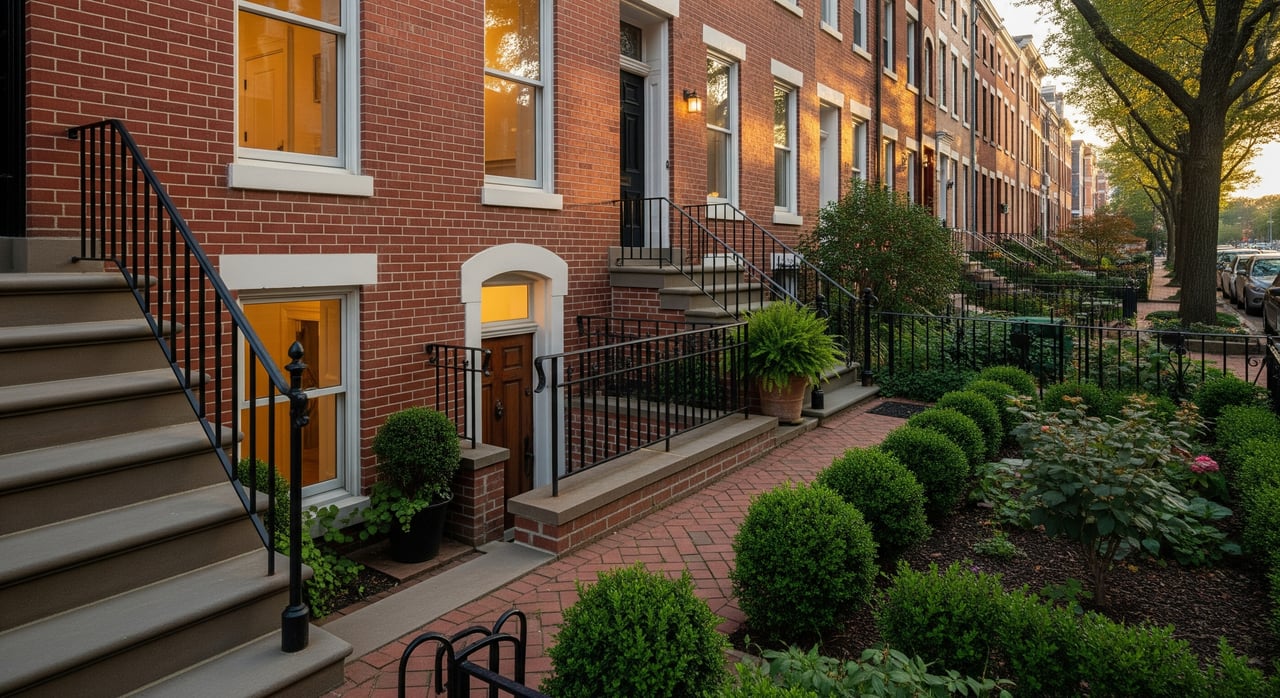
Petworth House Hacking With an English Basement
January 15, 2026
January 15, 2026
What if your Petworth rowhouse could help pay a third of your mortgage? If you are exploring house hacking in Washington, DC, an English basement can be a smart way to cut monthly costs and build long-term wealth. You want clear steps, realistic numbers, and a simple path to doing it the right way. In this guide, you will learn how English basements work in Petworth, what DC rules you need to know, ways lenders may count rental income, and how to evaluate a property before you buy. Let’s dive in.
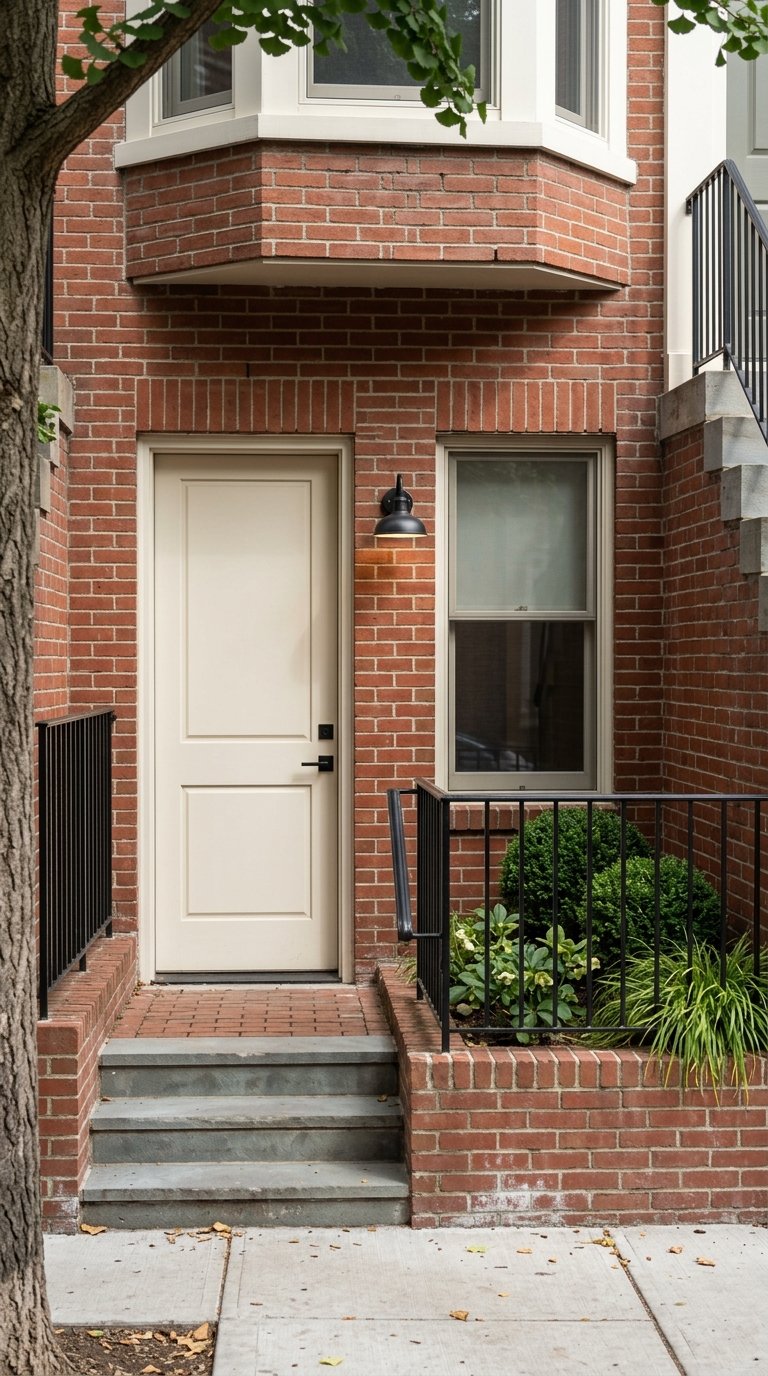
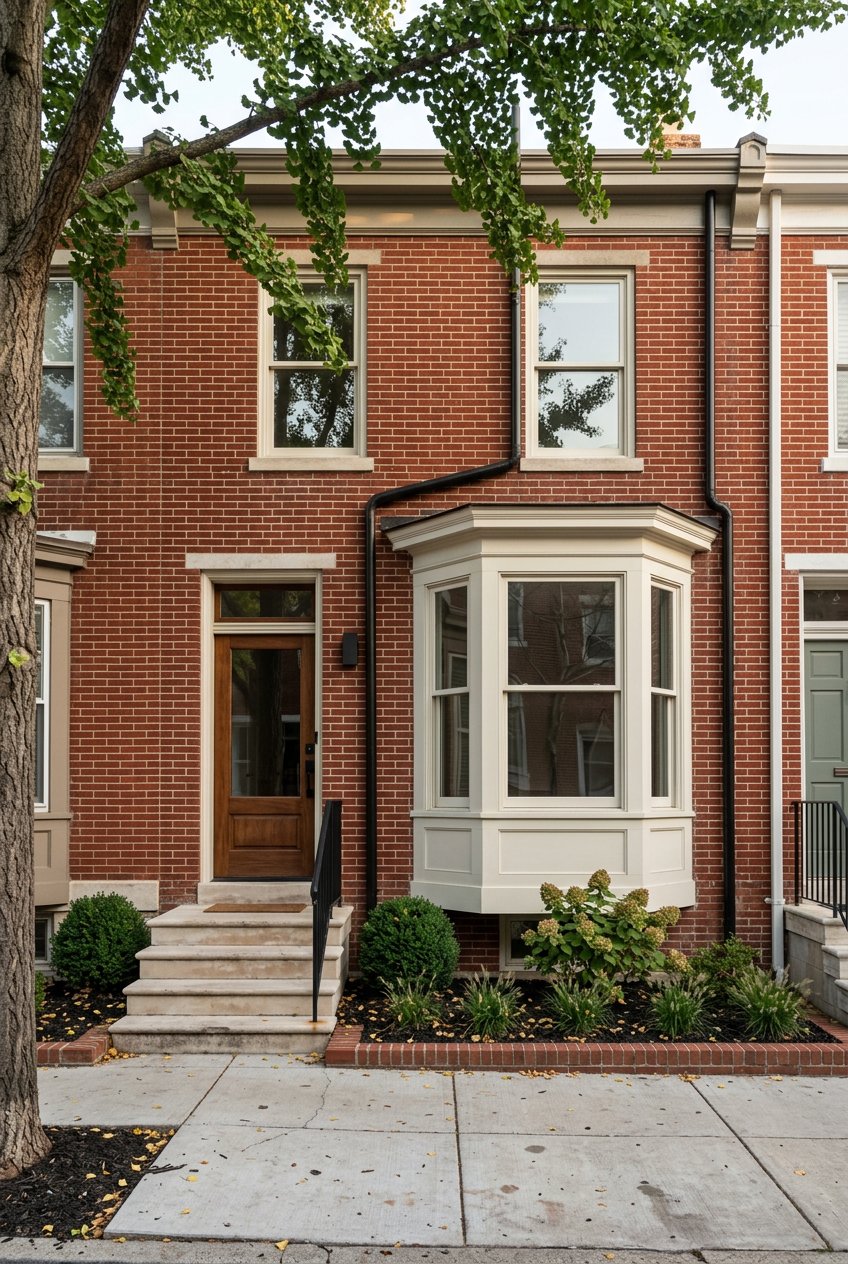
An English basement is a partially below-grade living level with windows above the exterior ground line. In Petworth rowhouses, it often has its own entrance at or just below street level. Many homes were built in the early 20th century, so these lower levels are common across the neighborhood.
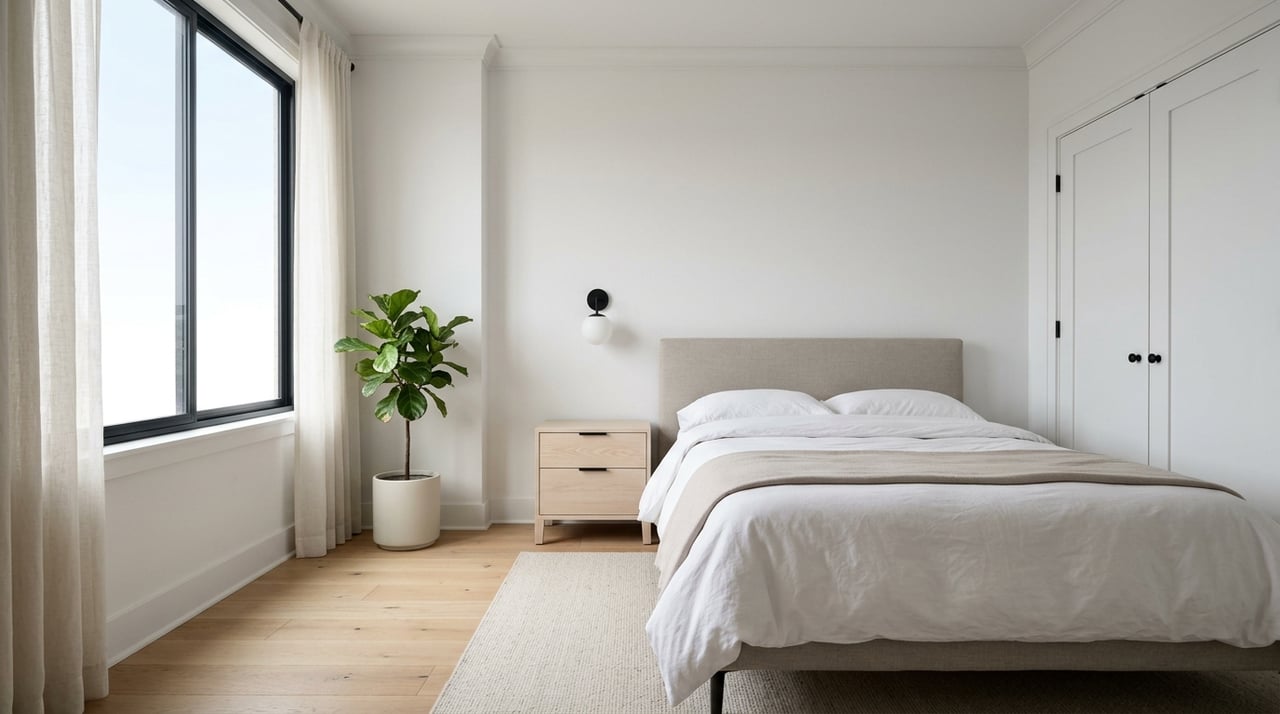
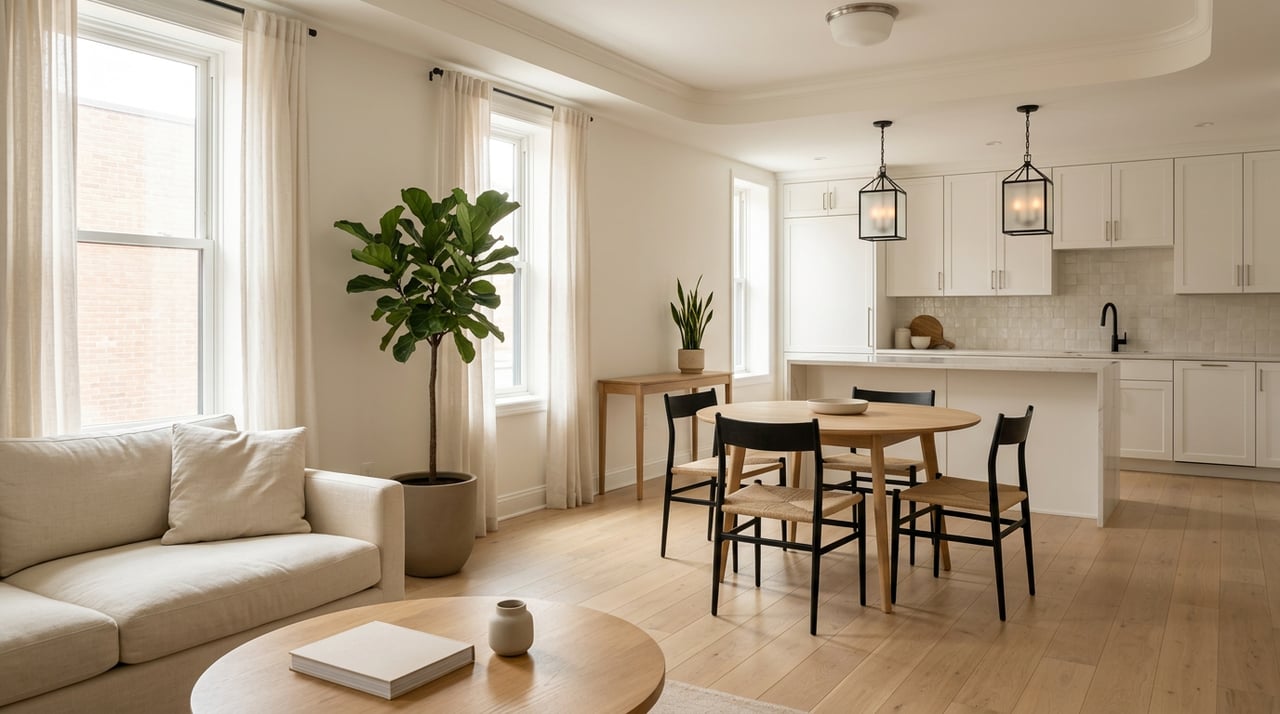
You will often see a studio or one-bedroom layout with a kitchenette, full bath, living area, and sometimes a small laundry closet. Ceiling heights vary, and usable square footage can feel tighter due to beams or utilities. Some basements share mechanicals or electrical panels with the main house, and some still have an internal stair to the upper levels.
Below-grade spaces can be prone to moisture, water intrusion, and mold. Look closely at grading, gutters, downspouts, sump pumps, and any signs of prior flooding. Verify ceiling height, bedroom window size for egress, and ventilation. Older wiring or plumbing may need upgrades, and sound transfer between levels can affect comfort.
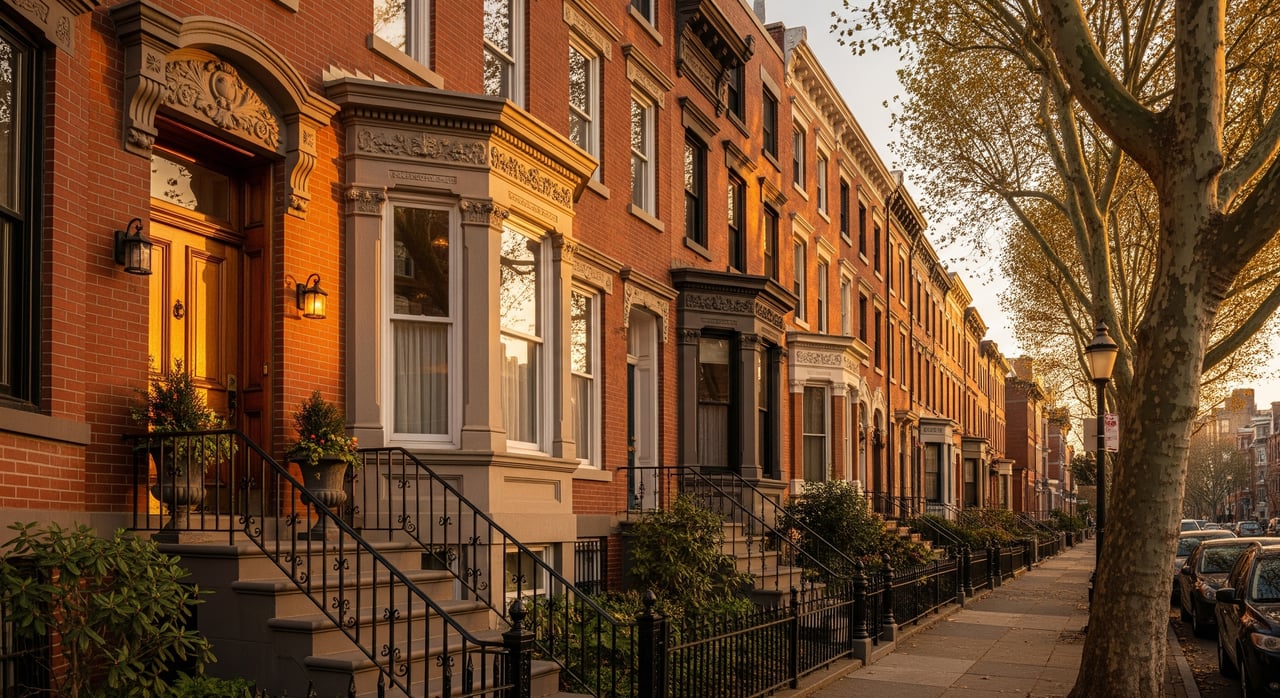
Petworth offers a wide stock of brick rowhouses with existing English basements, which makes it practical for owner-occupants to add or optimize a rental. Demand for basement rentals is supported by Metro access, neighborhood retail corridors, and relative affordability compared with central DC. Rents and vacancy shift over time, so check current local listings for comparable basement units to estimate achievable rent. DC has strong tenant protections and rules that emphasize habitability, notice, and security deposits, so plan to operate by the book.
Confirm the property’s zoning and whether a basement rental is allowed as a matter of right or needs special approval. Zoning affects occupancy, parking, and whether a conversion triggers a change of use.
Creating or altering a separate dwelling unit usually requires building permits, especially when you add or modify egress, plumbing, or mechanical systems. Some properties will also need an updated Certificate of Occupancy or a rental housing license for the basement to be a recognized unit.
In DC, landlords typically must register and obtain a rental license. Expect health and safety standards and periodic inspections in many cases. Build time for licensing into your plan before you place a tenant.
Many homes predate 1978 and some sit in historic districts or conservation areas. Exterior changes that affect the façade, stoop, or new entrances can trigger review. Check with the Historic Preservation Office if you plan visible exterior work.
Short-term rentals have stricter requirements, including registration, taxation, and safety standards that differ from long-term leases. If your strategy is long-term, make sure you are not inadvertently creating a short-term rental.
Pre-1978 homes fall under federal lead-based paint rules for renovation and rental disclosures. DC may have additional requirements for lead-safe housing and tenant notifications. Plan renovations with licensed professionals who follow applicable rules.
Your unit will need working smoke and carbon monoxide alarms, safe electrical systems, hot water, heat, sanitary plumbing, and compliant egress. Stairs and handrails serving a rental must meet rise, run, and guardrail standards.
Habitable rooms commonly follow minimum ceiling-height standards similar to IRC guidance around 7 feet, with some allowances for bathrooms or beams. Verify DC-specific code requirements before you begin work.
Basement bedrooms need code-compliant egress windows. IRC-style requirements define minimum net clear openings, sill heights, and dimensions, often around 5.7 square feet of net clear opening. Confirm local amendments and meet them fully.
Any interior or exterior stair that serves the rental must be safe and code compliant. Check lighting, tread depth, riser height, and handrail placement.
Older rowhouses may share electrical panels or mechanicals. Separate meters are not always required, but they can simplify billing and sometimes are required for certain conversions. Adding a kitchen or bath usually triggers permitted electrical and plumbing work by licensed contractors.
Basements can run warm or cool depending on ducting and insulation. Make sure there is adequate heating and cooling. Address sound transfer between floors through strategic insulation and flooring choices to improve the tenant experience.
Many lenders consider a portion of reliable rental income when qualifying you, but rules differ by lender and investor. Common practices include asking for a signed lease and rental history, or using a market rent factor, often around a percentage to account for vacancy and expenses. Talk to several lenders early, present realistic rent comps, and ask exactly how they will underwrite your scenario.
Standard homeowners insurance may not cover a rental occupant. You will likely need a landlord endorsement or a rental-dwelling policy, which can raise premiums. Rental income is taxable, and you should track expenses such as repairs, depreciation, mortgage interest, and utilities. Short-term rentals, if used, require registration and applicable taxes.
Below are hypothetical examples to show how a Petworth English basement could impact monthly costs. Use real-time rents, your actual mortgage terms, and actual taxes and insurance for planning.
Assumptions example:
Hypothetical rent cases:
Key takeaway: Even modest basement rents can materially reduce out-of-pocket housing costs. The actual benefit depends on rent achieved, vacancy, how a lender treats projected rent, and incremental costs such as insurance and utilities.
Use this framework when touring Petworth rowhouses with English basements.
House hacking in Petworth with an English basement can be a practical way to lower monthly costs while owning in a high-demand DC neighborhood. Focus your search on homes with workable layouts, strong moisture control, and clear paths to licensing and code compliance. Line up lenders early, build a realistic rent and expense pro forma, and confirm permitting needs before you make an offer.
If you want a guided, step-by-step strategy tailored to your goals, reach out for help narrowing target homes, modeling rent, and coordinating inspections, permits, and licensing. Connect with Tamara Miller to schedule a free consultation.
Stay up to date on the latest real estate trends.
Buyers
Buyers market?
Whether you want to buy, sell, or invest in real estate, you need a winning strategy.

1313 14TH ST NW WASHINGTON DC 20005