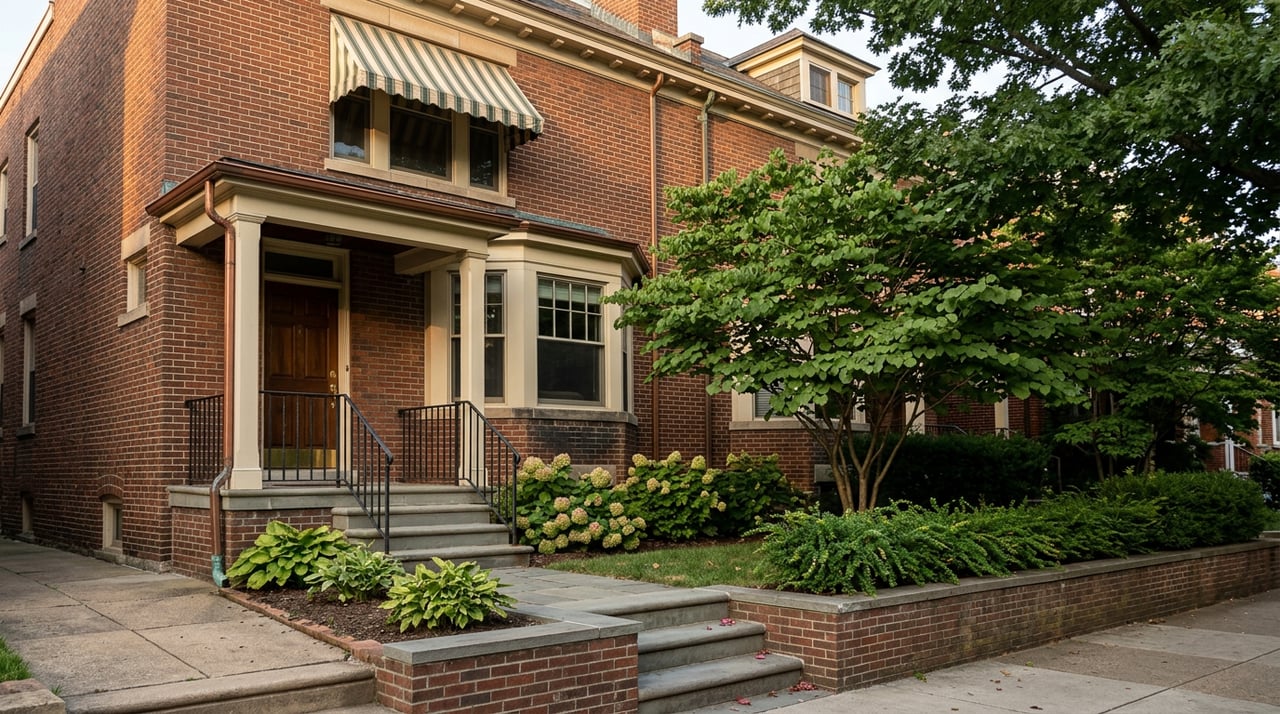
Mount Pleasant's Median Price Is Averaging Two Different Housing Markets
September 3, 2026
September 3, 2026
Say you're touring a two-bedroom unit at the Argyle, one of Mount Pleasant's prewar co-op buildings a block off the main commercial strip. The listing price is $355,000. You've already seen the neighborhood's median home value quoted north of $1.2 million on the portals, so this feels like the deal of the year. You make an offer. It's accepted. Then your agent tells you the next step is a board package: tax returns, reference letters, sometimes a personal net worth statement, followed by an interview with people who have never met you and can say no for almost any reason that isn't discriminatory.
That step alone can add four to eight weeks to your closing timeline. It also shrinks your lender pool, because co-ops don't use conventional mortgages. You'll need a share loan, a financing product a smaller slice of banks actually offer, secured by stock in a corporation rather than a deed to your unit.
None of that shows up in the listing price. It shows up in the contract, and by then most buyers are already emotionally committed.
Mount Pleasant's blended median sale price was $1,204,581 in June 2026, down 6.8% from a year earlier, according to Redfin's neighborhood data. That single number gets treated like a temperature reading for the whole neighborhood. It isn't one. It's an average of a rowhouse market moving one way and a condo and co-op market moving another, and the two segments have almost nothing in common except a zip code.
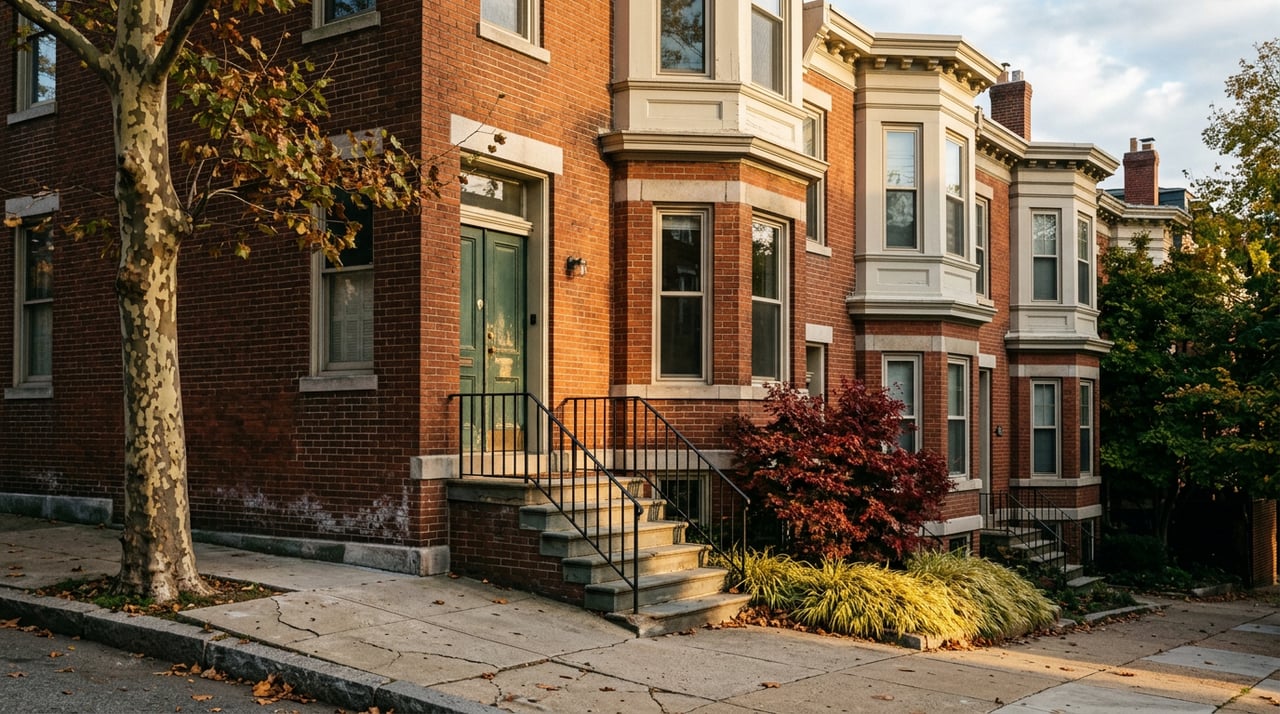
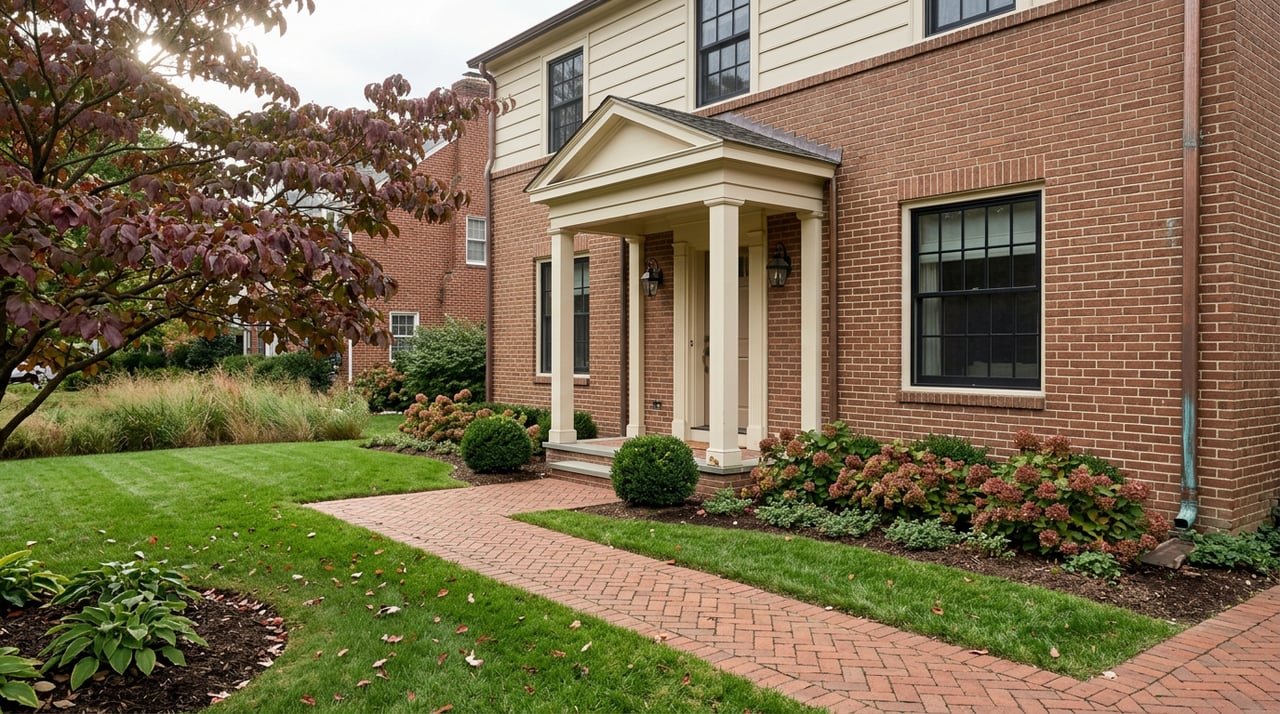
Mount Pleasant's rowhouses sit on the residential streets that fan out toward Rock Creek Park and the National Zoo. Its condo and co-op stock is concentrated in a cluster of converted prewar buildings along and near Mount Pleasant Street. Buyers who anchor to the blended median end up misjudging both. Someone shopping rowhouses thinks they have more room to negotiate than they actually do. Someone shopping a co-op assumes the whole neighborhood is a seller's market and skips due diligence they'd otherwise slow down for.
Here's what the two segments actually looked like in early 2026, based on closed sales and current listings tracked through the spring:
| Rowhouses | Condos and Co-ops | |
|---|---|---|
| Median price | $1.5125 million (42 closed sales, January 2026) | $418,000 median list price (17 active listings) |
| Typical time to sell | 5 days | About 35 days |
| List-to-sale ratio | 100% | Sales closing at or below list, some by several percent |
| What it signals | Well-priced homes get bid to full price fast | Buyers have room to negotiate and time to think |
A single median sitting between those two rows tells you almost nothing useful about either one.
The rowhouse numbers hold up when you look at specific closed sales. 3159 Adams Mill Rd NW sold for $1,543,000, 11% over its list price, in 26 days. 1708 Irving St NW sold at full list price in 19 days. Those are the homes that back up the 100% list-to-sale ratio and the five-day median. When a Mount Pleasant rowhouse is priced correctly and shows well, it doesn't sit.
Not every rowhouse moves at that pace, though, and that's part of the story too. 3423 Oakwood Ter NW sold at list price but took 42 days. 1802 Lamont St NW sold for $1,995,000, 7% under its original list, after 56 days on market. Both were priced at the top of the neighborhood's range and took longer than the faster sales; one also sold below its original list price. The lesson for a buyer comparing rowhouses here isn't that every listing is a bidding war. It's that the bidding wars happen at a specific price tier and a specific level of presentation, and above that tier the market slows down and starts to negotiate like anywhere else.
The condo and co-op comps tell a matching story on the other end. 3314 Mount Pleasant St NW #35 sold for $350,000, 1% under list, after 82 days on the market. The unit next door, #36, sold for $355,000, 5% under list, after 66 days. Two nearly identical units in the same building, both taking well over two months and both closing below asking. That is not a market where sellers are setting the terms.
The buildings behind those numbers are worth naming, because they explain why the segment behaves the way it does. Mount Pleasant's condo and co-op stock leans heavily on converted prewar apartment buildings rather than new construction. The Argyle dates to 1910. Northbrook I and II were built in 1918. The Overlook followed in 1922. More recently, boutique conversions like the Mitchell Condominiums and the Shafer, a formerly neglected mansion at 18th and Monroe streets turned into a small collection of condo units, have added a handful of newer options into that same older-building inventory. None of this is new construction with amenity packages competing for buyer attention. It's small, older buildings with limited unit counts, which caps how much competitive pressure any single listing can generate.
If you're comparing a co-op listing to a condo listing at a similar price point, the sticker price is the least useful number to compare. Co-op monthly maintenance fees often bundle in the building's underlying mortgage payment, property taxes, staffing, insurance, and utilities, all in one line item. A condo's HOA fee typically covers building maintenance, management, and a shared insurance policy, while you pay your own mortgage and property taxes separately. A co-op fee that looks high next to a condo fee down the street may actually be covering more of your total housing cost, not less.
That's why asking for a building's underlying mortgage balance and terms before making an offer matters as much as checking the comps. A co-op with significant underlying debt can see its monthly fees rise if that debt needs to be refinanced, and that's a cost a buyer inherits the day they close, not something that shows up in the listing description.
The board approval process for a Mount Pleasant co-op can add four to eight weeks to closing, on top of whatever timeline your financing already requires.
That single fact changes how a buyer should plan a purchase timeline, especially anyone coordinating a lease end date or a competing sale on the other end.
The practical takeaway for anyone shopping Mount Pleasant right now is to stop treating it as one market with one number. If you're looking at rowhouses, expect the top of the price range to move fast and expect full-price or above-list outcomes on well-presented homes, with more room to negotiate once you're above roughly $1.9 million, based on how the two highest-priced closed sales this year performed. If you're looking at condos or co-ops, expect a slower, more negotiable process, and expect the building's structure, condo or co-op, to matter as much as the unit itself when it comes to financing and timeline.
Is a co-op actually cheaper than a condo in Mount Pleasant, or does it just look that way? The listing price can be lower, but the monthly fee often includes costs a condo owner pays separately, like property taxes and building insurance. Compare total monthly housing cost, not just the price on the listing.
How much extra time should I budget for a co-op purchase? Plan for the board's financial review and interview process to add four to eight weeks beyond a typical condo closing timeline, and confirm early which lenders in your area actually offer share loans for co-ops.
Why do some Mount Pleasant rowhouses sell in days while others sit for months? Price tier matters. Homes priced in line with recent comparable sales in the neighborhood's core range have been getting bid to or above list quickly. Homes priced at the top of the range have taken longer and closed with more room for negotiation.
If you're weighing a rowhouse against a co-op in Mount Pleasant, or trying to figure out which segment actually fits your timeline and budget, Tamara Miller can walk you through the comps building by building. Schedule a free consultation to talk through what your specific price range actually buys here right now.
This article is general information, not legal, tax or financial advice. Consult a qualified professional about your situation.
Stay up to date on the latest real estate trends.


Waterfront MD

Whether you want to buy, sell, or invest in real estate, you need a winning strategy.
1313 14TH ST NW WASHINGTON DC 20005