
Eckington DC Home Prices: Why the Sales Mix Moves the Median
September 10, 2026
September 10, 2026
Pull up two different housing trackers for Eckington this summer and you'll get two different neighborhoods. One shows the average sale price up 9.4 percent year over year, to $760,000 for homes that closed in May 2026. The other, drawn from the same underlying records, shows the median sale price over the three months ending that same May down nearly a full percentage point, to $677,000. A third snapshot, for June 2026, puts the median at $752,238, up 4.8 percent year over year. Same neighborhood. Same season. Three numbers that can't all be telling the truth about the same market, or rather, they're all true, and none of them is the whole story.
If you're comparing Eckington to Bloomingdale, Petworth, or any other DC neighborhood on your list, this matters more than it looks like it should. A median price is supposed to be the one number you can trust when everything else about a listing is unreliable. In Eckington right now, it isn't, and understanding why tells you something the number itself never could.
Average and median measure different things, and the gap between them is usually small in a mature market with a steady mix of home types selling every month. When average price jumps 9.4 percent while median price for the surrounding quarter slips slightly, that gap is telling you the average got pulled upward by a small number of expensive closings rather than by broad appreciation across the neighborhood.
Days on market backs this up from a different angle. Homes in Eckington took an average of 71 days to sell in the period ending May 2026, up from 48 days a year earlier. Twenty-one homes sold that May, compared to 16 the year before. More transactions and slower ones at the same time isn't a contradiction. It's a market absorbing a wider range of product, at a wider range of price points, than it used to see in any given month.
Citywide, the picture was calmer. Across DC as a whole, homes were selling in roughly 50 days over the three months ending July 2026, with the median price essentially flat year over year. Eckington's slower pace and wider price spread aren't a citywide trend showing up locally. They're specific to what's actually built, and what's actually for sale, inside this one neighborhood.
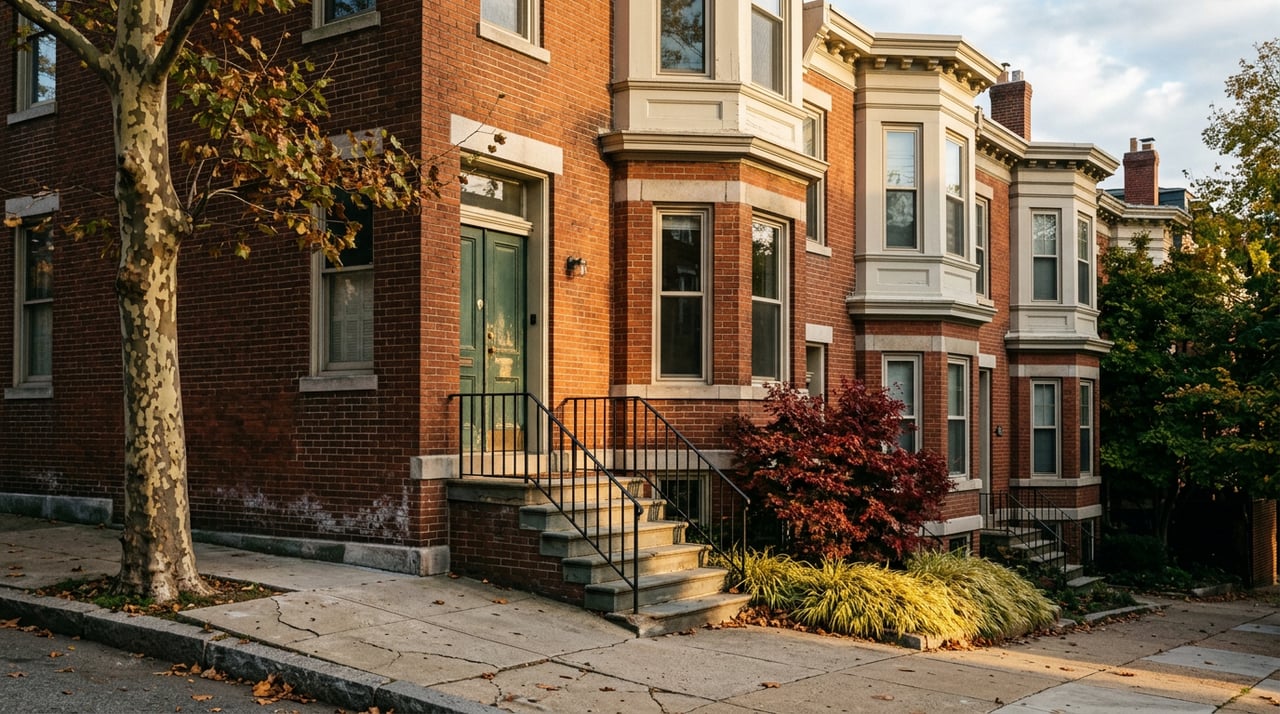
Eckington is one of DC's older and smaller residential footprints, and its housing stock reflects three distinct eras that rarely change hands in equal numbers month to month.
| Tier | What it looks like | Example buildings |
|---|---|---|
| Rowhouse resale | Century-old attached homes, largely unchanged in scale since the early 1900s | Original Eckington rowhouse stock throughout the neighborhood's core blocks |
| Boutique conversion | Older industrial or apartment buildings gutted and reborn as condos | The 1929 building converted into the Metropolitan Overlook's 37 residences, plus smaller boutique buildings like The Lexicon and 3rd Street Flats |
| New construction | Ground-up condo and apartment developments with modern amenity packages | Eckington Yards (635 units), Eckington Park (328 units), 1625 Eckington Pl NE, NoMa West |
A month where two units close at 1625 Eckington Pl NE alongside a handful of $500,000 rowhouse resales produces a very different median than a month dominated by resales alone. With only 16 to 21 total sales in a typical month, Eckington doesn't have the transaction volume to smooth out that noise the way a larger neighborhood would. Every closing carries more statistical weight than it does somewhere with hundreds of monthly sales.
The new-build tier isn't pulling numbers upward for no reason. Eckington Park's developer, Foulger-Pratt, negotiated a community benefits agreement with donated land and funding to realign the Metropolitan Branch Trail's S-curve near R Street NE, plus contributions toward a new NoMa park, as part of getting the project approved. Eckington Yards built its retail street, Quincy Lane, around a woonerf design, a shared street concept that removes the curb separation between pedestrians, cyclists, and cars, and leans on the neighborhood's rail and warehouse history for its material palette.
That kind of investment shows up in what residents can walk to. The Metropolitan Branch Trail runs along the neighborhood's eastern edge, connecting to Bryant Street Market, Alethia Tanner Park, and a run of breweries and bars that make up DC's Metropolitan Beer Trail, including Lost Generation Brewery and City-State Brewing Co., with a location for Right Proper opening in Eckington as part of the 2026 trail lineup. Add Alamo Drafthouse Cinema and Kraken Kourts for pickleball, and you have a buyer profile willing to pay new-construction prices for proximity to all of it. That premium is real. It just isn't evenly distributed across every home in the neighborhood, which is exactly why it distorts a blended median.
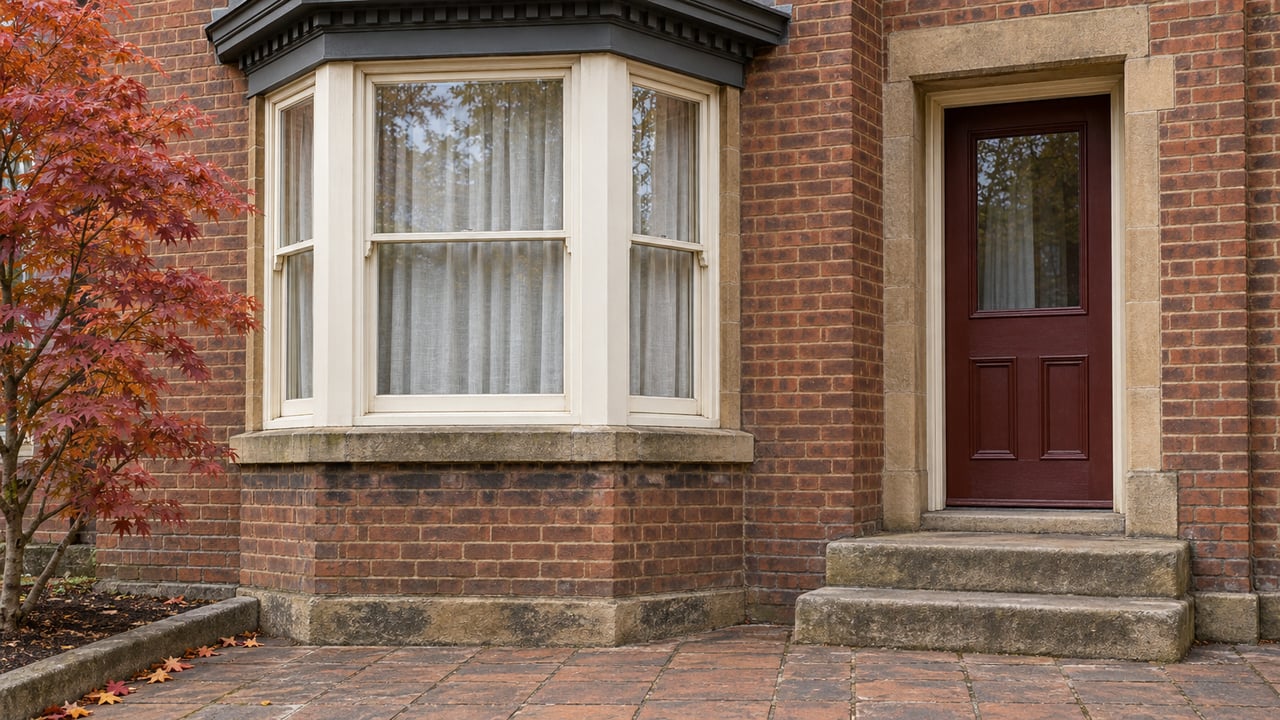
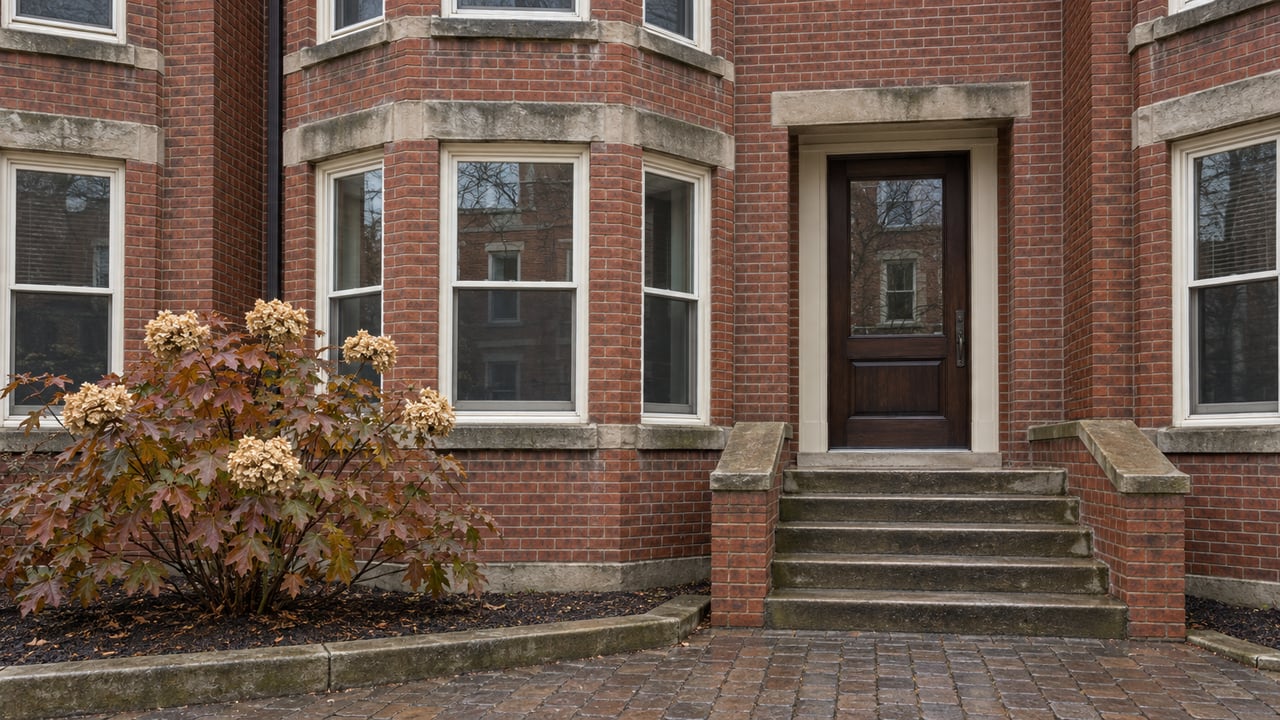
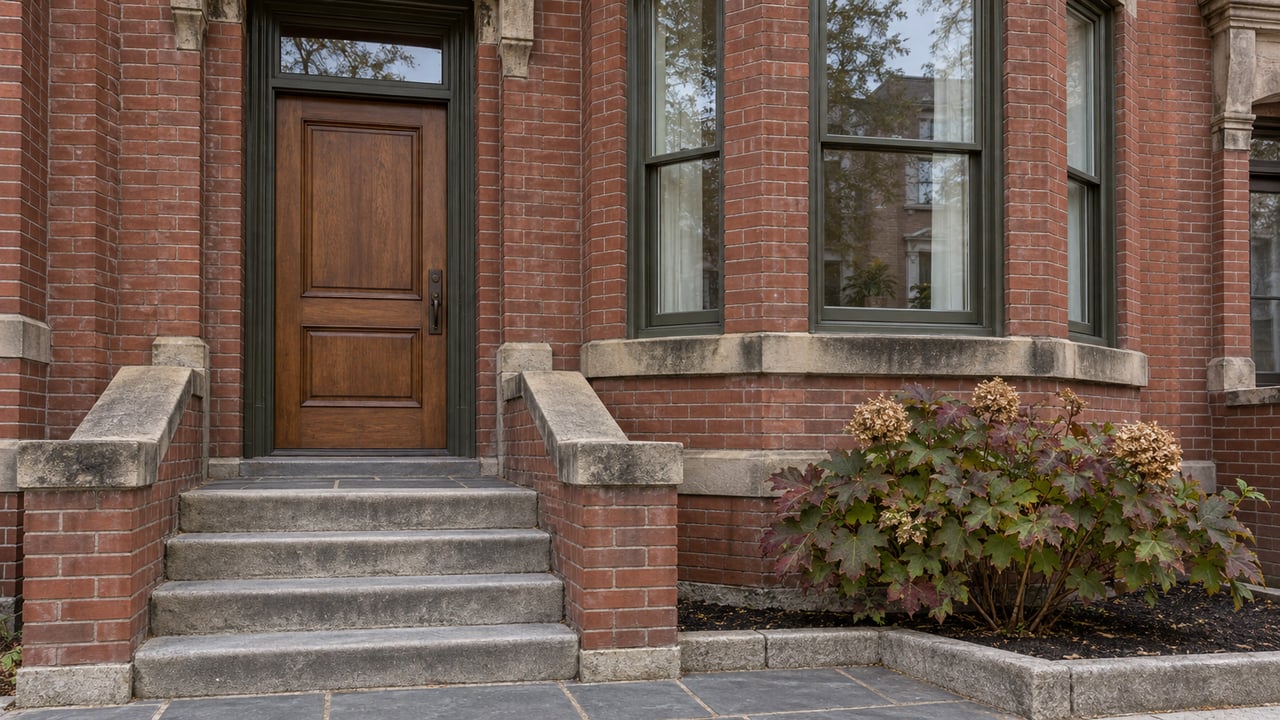
The rowhouse resale tier is a different conversation entirely. These are attached homes built more than a century ago, and their value depends on things new construction doesn't have to solve: how much of the original brick and trim survived, whether the lower level has been finished into usable square footage, and how the layout holds up against a buyer's actual furniture rather than a rendering. A 71-day average time on market, up from 48 the year before, suggests buyers in this tier are taking longer to commit, whether that's more inspection scrutiny, more negotiation on price, or simply more competing inventory to compare against.
None of that shows up in a single median figure. It shows up in the spread between what a boutique conversion unit lists for and what a comparable rowhouse two blocks over actually closes at, and in how long each one sits before it does.
If you're using a portal's median price to decide whether Eckington fits your budget, ask a more useful question first: what actually closed to produce that number. A median built on three new-construction closings and one rowhouse resale tells you almost nothing about what you'd pay for a rowhouse. A median built on the reverse tells you nothing about condo pricing at Eckington Yards or 1625 Eckington Pl NE.
The practical move is to look at active and recently sold comps within the specific tier you're actually shopping in, not the neighborhood-wide blend. A rowhouse buyer should be comparing against other rowhouse resales. A buyer looking at new construction should be comparing against other new-construction closings, ideally in the same building or a comparable one. Eckington's small size, which makes its headline numbers noisy, also makes this kind of tier-specific comparison easier to do well once you know to do it.
Is Eckington's market slowing down overall? Not clearly. Sales volume was actually up in May 2026 compared to a year earlier, from 16 to 21 closings. The longer average time on market points to a wider mix of homes changing hands, not fewer buyers showing up.
Why did the median price figures disagree between two data sources? Different trackers use different windows and different weighting. One reflected a rolling three-month median through May 2026, another a single-month figure for June 2026. In a neighborhood with as few as 16 to 21 monthly sales, a small shift in which homes close in a given window can move the number more than it would in a larger market.
Does the new-construction premium mean rowhouses are underpriced? Not necessarily. It means the two products are answering different questions for different buyers. A rowhouse buyer is paying for scale, character, and land. A new-construction buyer is paying for amenities and a finished product with no renovation runway. Comparing the two on price alone misses what each one actually delivers.
If you're weighing Eckington against another DC neighborhood on your list, the number that matters isn't the headline median. It's the comp that matches what you're actually trying to buy. That's the kind of read that takes local legwork, not a portal search.
If you want help pulling the right comps for the tier you're actually shopping in, reach out to Tamara Miller to schedule a free consultation.
Stay up to date on the latest real estate trends.


Waterfront MD
Whether you want to buy, sell, or invest in real estate, you need a winning strategy.
1313 14TH ST NW WASHINGTON DC 20005